 In this area
Coptic Cairo
Four Seasons Cairo At The First Residence
9.2· 1,630 reviews
approx. from£661 / nightSee prices
The Cairo issue
A car-free pocket of Roman towers, sunken lanes and candlelit churches where Cairo’s Christian, Jewish and Islamic histories sit within a few hundred metres of one another.
By Yasmine Abdel-FattahIslamic-quarter minarets to Zamalek galleries
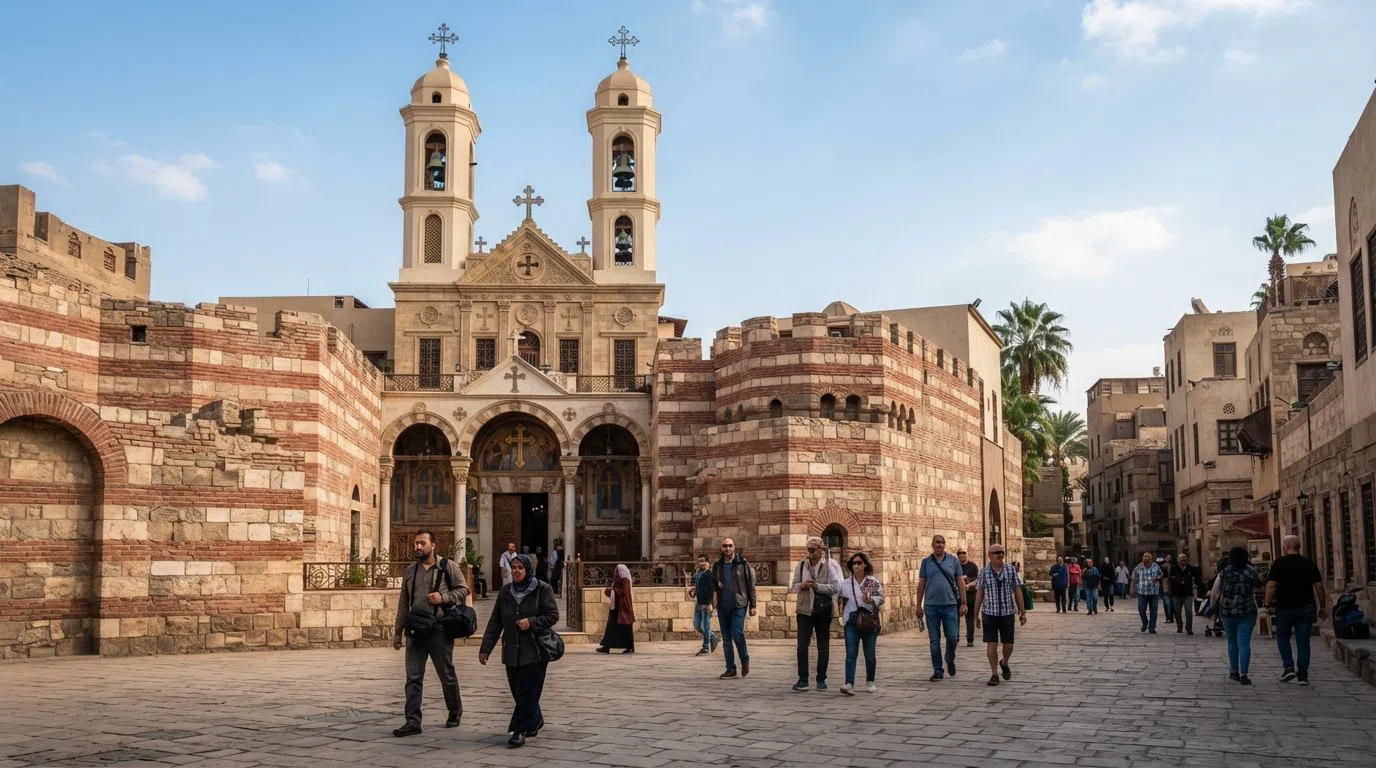
Step off the metro at Mar Girgis and the city seems to loosen its grip. The traffic noise falls away behind a stone wall, and suddenly you are standing at the threshold of a place that feels older than the map around it: a compact warren of churches, a synagogue, a fortress, and lanes sunk below the level of modern Cairo. This is Coptic Cairo, where the ground itself tells you how deep the city has been layered. You can cross it quickly, yes, but that would miss the point. The pleasure here is in slowing down, in letting the worn flagstones, the low doorways and the hush inside the churches accumulate into something almost physical.
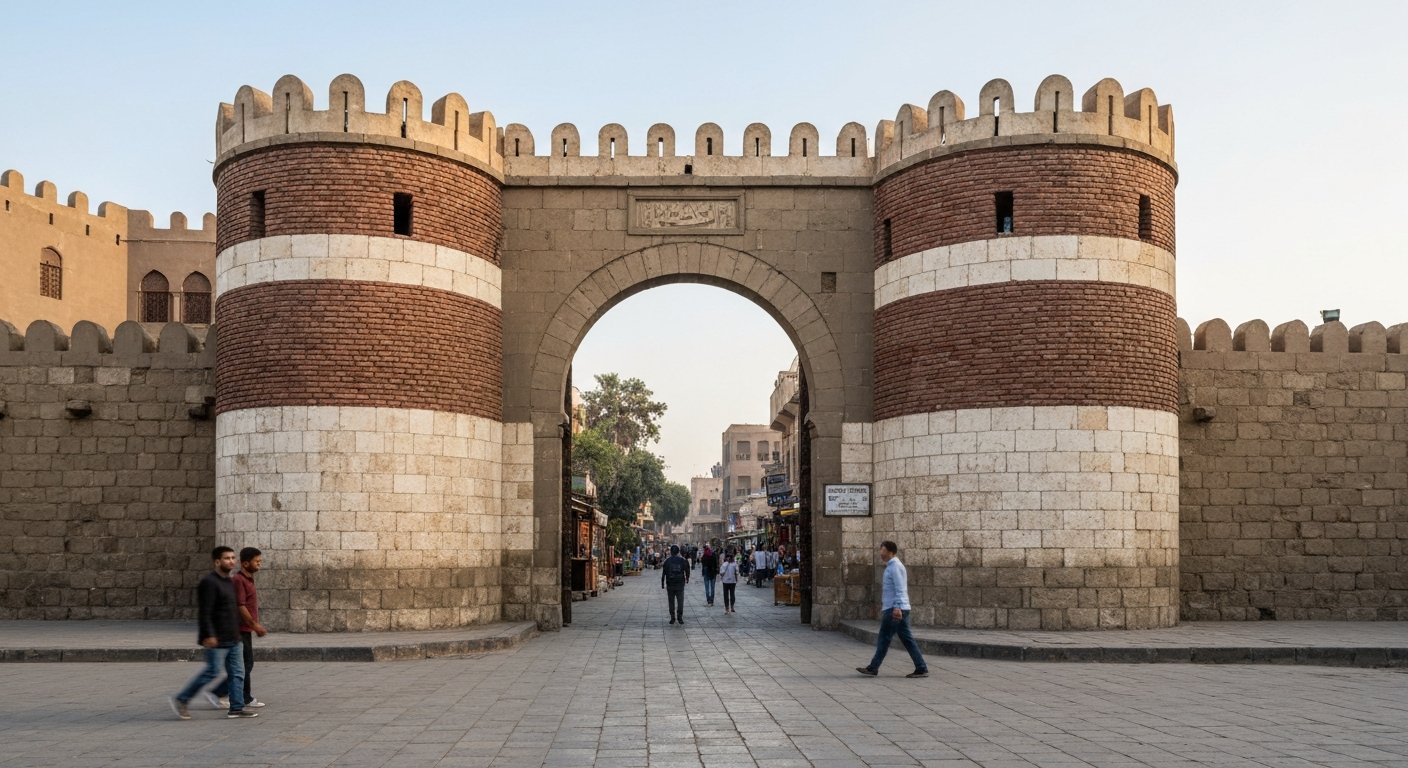
Coptic Cairo is the ancient Christian heart of Egypt, built inside and on top of the Babylon Fortress, a Roman stronghold whose two great round bastions still frame the entrance to the quarter. The fortress stone is banded in red brick and white, and it gives the whole place a stern, almost theatrical edge — as if history has been asked to hold itself in place. Within those walls, Egyptian Christians have worshipped for some seventeen centuries, and the quarter still feels like a living religious district rather than a polished museum precinct.
The most famous stop is the Hanging Church, Al-Muallaqa, whose nave is suspended over the fortress’s southern gatehouse. The name sounds like folklore until you stand beneath it and realise the floor really does float above a Roman passage you can peer into through a glass panel. Inside, there are roughly 110 icons, an ebony-and-ivory sanctuary screen, a marble pulpit resting on thirteen slender columns — one black for Judas, one grey for doubting Thomas — and a wooden ceiling shaped like the upturned hull of Noah’s Ark. It is one of Cairo’s great interiors, but it is also a reminder that Coptic architecture is not frozen in time; it is layered, devotional, and deeply local.
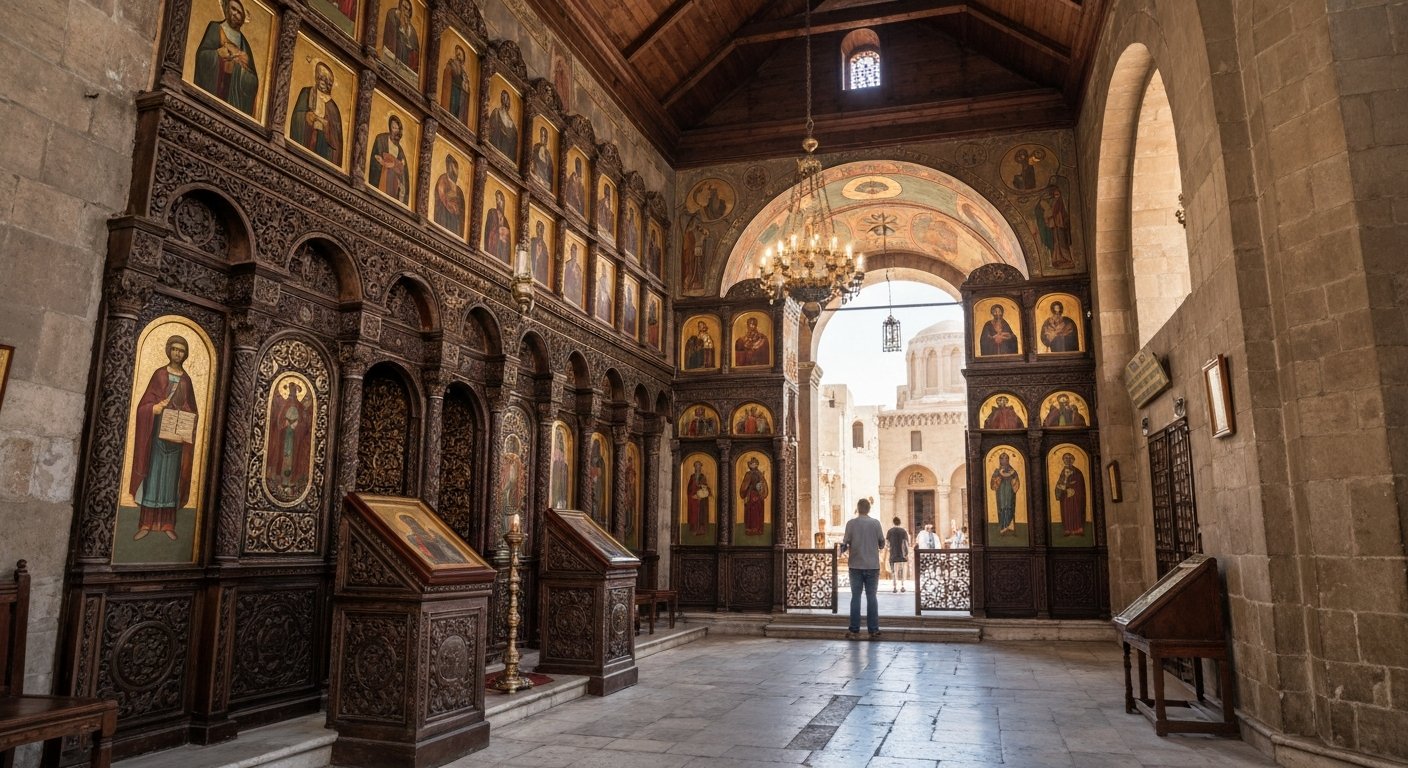
Beside it, the Coptic Museum gives context to everything you have just seen. Its collection is the world’s finest for Coptic art, with more than a thousand pieces spanning carved wood, textiles, manuscripts and frescoes. The museum is where the quarter’s story widens out, from Pharaonic to Greco-Roman to Christian Egypt, and suddenly the churches outside feel less like isolated monuments than part of a longer continuum. Foreign adult tickets are around 280 EGP, and the opening hours are roughly 9am to 5pm, which makes it an easy anchor for a morning visit.
Below ground, the Church of St Sergius and Bacchus, better known as Abu Serga, guards a crypt where tradition says the Holy Family sheltered during their flight into Egypt. The descent into the church feels almost geological, as if you are dropping through the centuries rather than just down a staircase. Next door, the Church of St Barbara offers a different mood: one of the quarter’s oldest churches, with a deliberately plain exterior and rich icons within. And at the edge of the compound sits the Ben Ezra Synagogue, restored and reopened in 2023 after a decade of work, its former store-room once home to the Cairo Geniza — some 400,000 medieval manuscripts that transformed what we know of Jewish and Mediterranean life.
The quarter’s religious range is what makes it so singular. A few steps away from the churches and synagogue, the Greek Orthodox Church and Convent of St George — the only round church in Egypt — rises from a Roman tower and was rebuilt after a fire in 1904. The convent chapel keeps the famed chain room, where the saint’s iron chains have for centuries been draped over pilgrims seeking healing. Beyond the walls, the call to prayer from the Amr ibn al-As Mosque reaches you faintly, a reminder that this part of Cairo has never belonged to just one story.
Live prices from our booking partners.
Free cancellation on many rooms. We may earn a commission when you book.
The best way to see Coptic Cairo is to walk it in sequence, starting at the top of the fortress and working down. Come early, before the coaches arrive, and the lanes are nearly yours alone. The light slants across the stone, pigeons coo from the towers, and the whole quarter feels as if it is breathing quietly under glass. The route is compact, but it rewards a patient pace: a church, a museum, a synagogue, another church, then a final loop back toward the fortress edge.
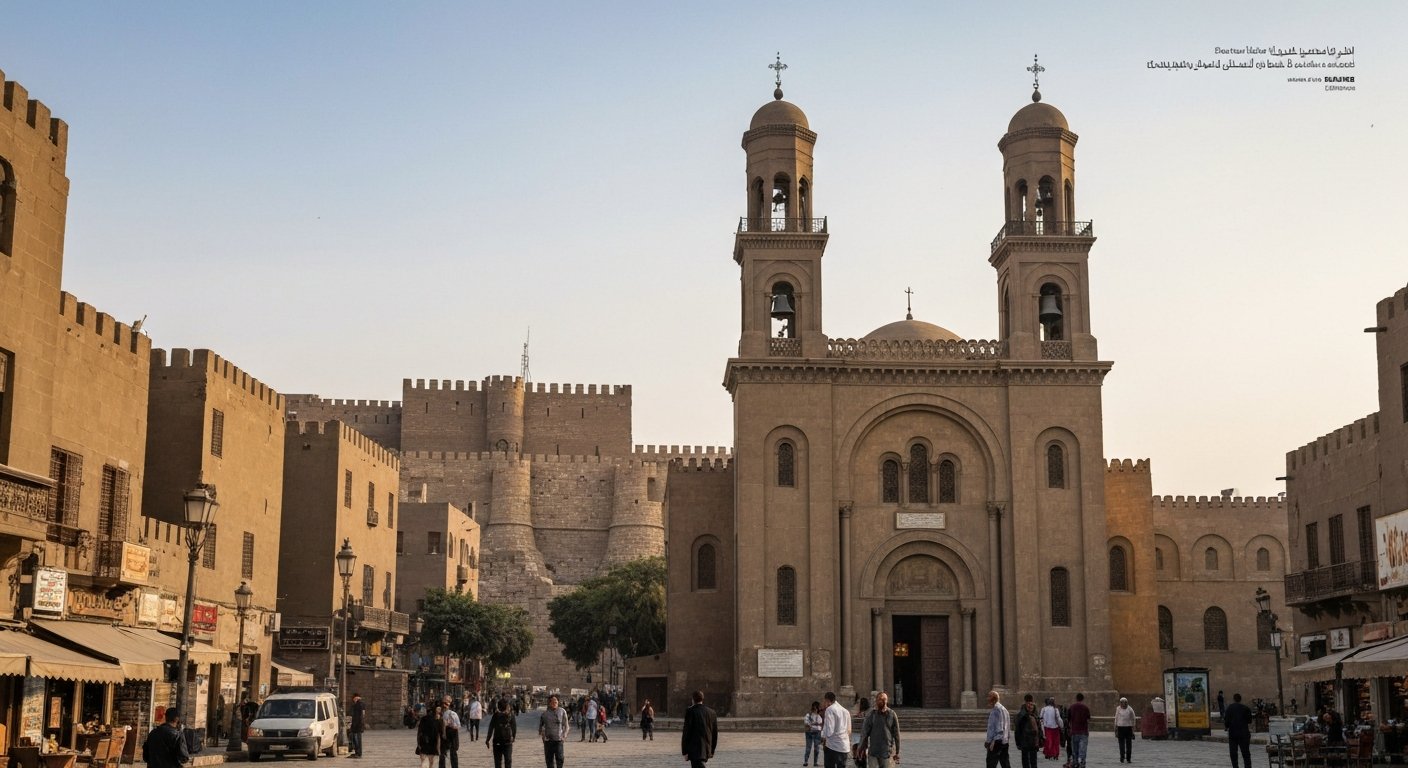
Begin at the Hanging Church, whose facade and twin bell towers are the quarter’s signature image. It is the place everyone photographs, but it is worth more than a passing glance because the building itself tells you how Coptic Cairo works: sacred space suspended above older infrastructure, devotion perched on Roman engineering. From there, the sunken alley leads naturally to the Coptic Museum, where the scale of the collection gives the whole district its intellectual frame. Once you have seen the carved wood, the textiles and the manuscripts, the churches outside stop being isolated stops and become part of a wider visual language.
Descend next into the Church of St Sergius and Bacchus. The crypt is the reason to come, and it is the kind of place that changes the temperature of a visit: cooler, darker, hushed. Then step next door into the Church of St Barbara, whose plain exterior hides a richly iconed interior. That contrast — modest outside, luminous within — is one of the quarter’s recurring pleasures. It keeps asking you to look twice.
The Ben Ezra Synagogue is equally important, though for a different reason. Restored and reopened in 2023, it is a place of memory as much as architecture. Photography is not allowed inside, so you are forced to put the camera away and listen to the story instead: the Geniza manuscripts, the long afterlife of a store-room, the evidence of a Jewish Cairo that once sat comfortably within the same urban fabric as these churches. In a city as often flattened into clichés as Cairo, that kind of overlap matters.
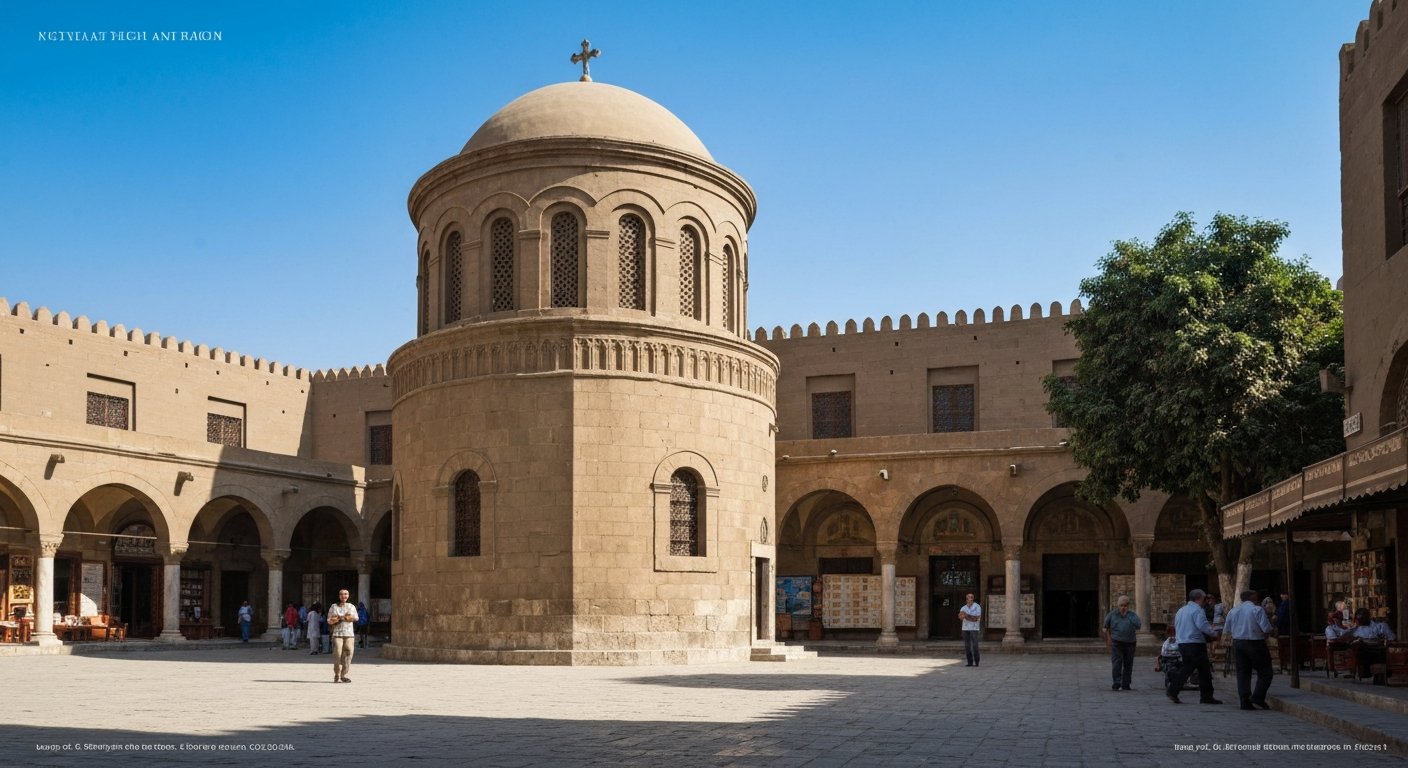
Do not skip the Greek Orthodox Church and Convent of St George. It is the only round church in Egypt, built on a Roman tower and rebuilt after the 1904 fire, and the convent chapel’s chain room gives the visit an almost pilgrim-like charge. Some English-speaking nuns are often present, which helps if you want a little more context. The room itself is simple, but the story attached to it — iron chains draped over pilgrims seeking healing — has the kind of stubborn longevity that makes religious sites feel alive rather than curated.
Then widen the frame. Just beyond the walls sits the Mosque of Amr ibn al-As, built in 642 CE and described as the first mosque in Egypt and all of Africa. It is closed to tourists during prayers, so timing matters, but even standing outside it places Coptic Cairo in a larger historical conversation. This is not a sealed-off heritage bubble; it is part of the old southern city, where Christian, Jewish and Islamic histories sit within walking distance of one another.
If you have a little more time, continue to the Fustat Pottery Village, a cluster of around 150 working ceramic and glass workshops five minutes’ walk from the metro. There is something deeply satisfying about seeing clay and glass at the point of making after all that stone and iconography. Potters throw at the wheel, and you can buy direct from the workshops — a different kind of Cairo souvenir, less polished, more honest.
Hanging Church
Coptic Museum
Ben Ezra Synagogue
It is worth saying plainly that Coptic Cairo is not a dining destination. Inside the compound, you will find little beyond a small cafeteria-style stand and a few kiosks selling bottled water, soft drinks and packaged snacks. They are useful if you need a quick pause, but no one comes here for a long lunch. The smart move is to treat food as a practical interlude, not the point of the outing.
That said, the places just outside the gates are part of the experience, and they are worth knowing because they keep the visit grounded in the city around the quarter. Old Cairo Restaurant & Café, on Mari Gerges Street just steps from the compound entrance, is the easy landing pad: cheap, fresh Egyptian staples, a picture menu, indoor and outdoor seating, and English-speaking staff. Order koshari, falafel, lentil soup, shawarma or mint lemonade and you will get exactly the kind of honest fuel a morning of churches asks for.
Haty Abou Ashraf, on Al-Fustat Street, is the more carnivorous option and feels like an old-school Cairo grill room in the best sense. The meat comes from the owner’s own farm, and the menu leans toward kofta, sausages and lamb, with chopped salad, tahina and garlic dips, plus fresh aish baladi flatbread for scooping everything up. It is not fancy, but it is direct, and the directness suits this part of the city.
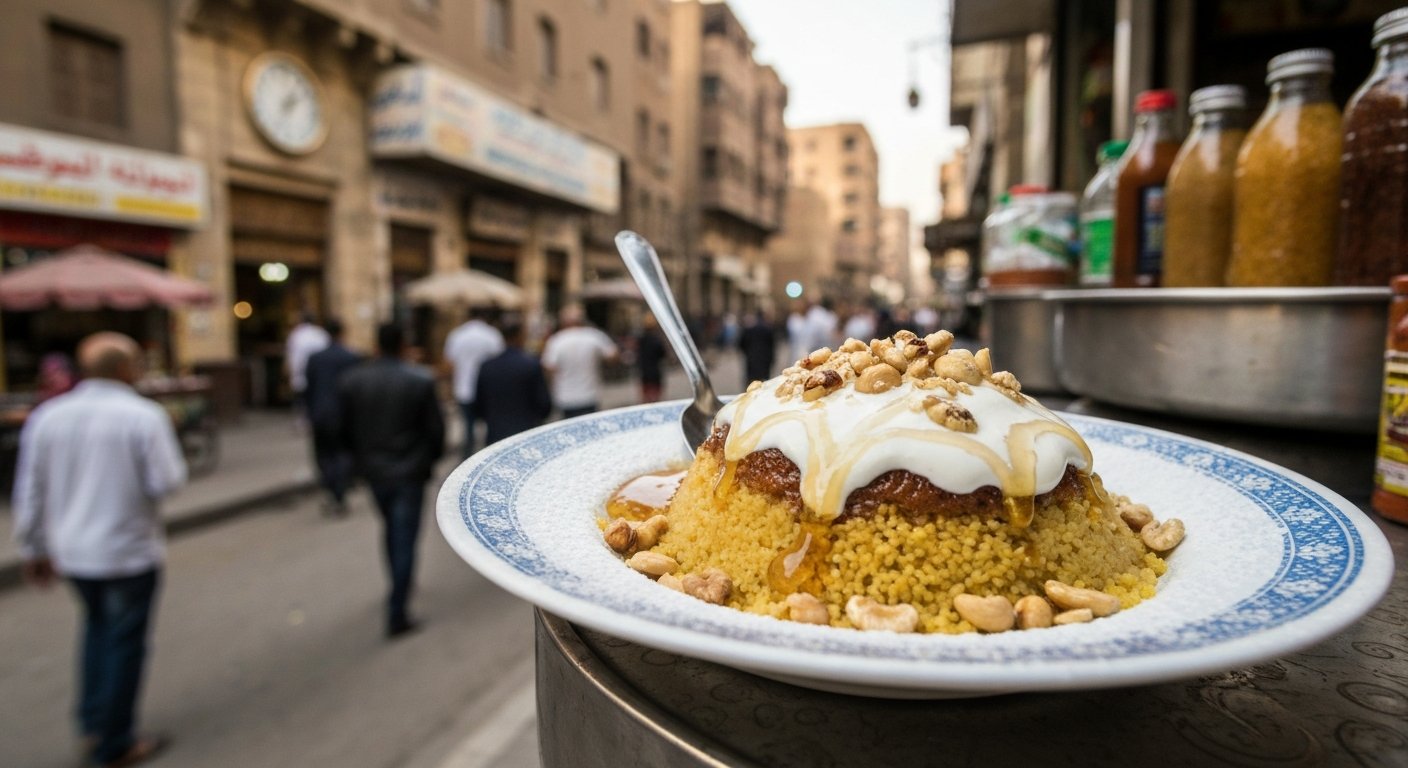
For something sweet and slightly eccentric, seek out Abu Ahmed Couscous, a hole-in-the-wall kiosk on Mari Gerges Street that has been ladling out warm sweet couscous topped with cream, honey, powdered sugar and nuts for more than eighty years. It is the sort of only-in-Old-Cairo stop that lingers in memory precisely because it is so unshowy.
Shopping in Coptic Cairo is unexpectedly good, and refreshingly free of the hard-sell atmosphere that can make Cairo’s bigger bazaars feel exhausting. The anchor is Souq El Fustat, a modern, gallery-style artisan market laid out in wide, sun-lit corridors a short walk from the churches. Prices are fixed and clearly marked, which changes the mood entirely; you can browse without the ritual bargaining that defines so many other markets in the city.
Inside, the selection is strong and varied: hand-painted Tunis Village pottery, hand-blown glass, inlaid mother-of-pearl boxes, appliqué Khayamiya textiles, leatherwork, copper and Bedouin jewellery. Much of it is studio-quality and genuinely made in Egypt, which gives the market a seriousness that goes beyond souvenir shopping. It is one of the rare places in Cairo where you can buy something beautiful and know exactly what it costs before you ask.
A few minutes farther on, across from the Mosque of Amr ibn al-As, the Fustat Pottery Village offers a more immediate version of the same pleasure. Here you can buy ceramics and glass straight from the workshops that made them, often at better prices and with the bonus of watching the work happen around you. Around the compound entrance, keep an eye out for the low-key book and antique stalls that spill along the lane, selling vintage cameras, curiosities and second-hand Egyptology titles in several languages. There is also a small AUC Press-stocked bookshop by the gate for well-made guides and Egypt-themed reads.
Treat Coptic Cairo as a place to visit rather than a place to sleep. It is a compact heritage quarter of churches, museums and workshops, and there are effectively no hotels inside it. Once the sites close in the late afternoon, the area empties out and there is little reason to linger after dark. That is part of its charm, but it also makes it a poor base.
The better plan is to stay nearby and come in by metro. Garden City, immediately to the north along the Nile, is the closest characterful base: leafy, quiet, embassy-lined and dotted with grand old hotels. Downtown, or Wust El-Balad, is the budget-and-mid-range option, central and lively, with the widest spread of restaurants and a direct metro ride to Mar Girgis. Zamalek, the Nile island, is the upmarket favourite if you want cafés, galleries and a calmer evening, and it is still only a short taxi or metro-plus-walk away.
From any of these, you can be standing in front of the Hanging Church within fifteen to twenty minutes. The live hotel options render below, but they belong in those adjacent neighbourhoods rather than inside the heritage compound.
Our best-rated stays in this neighbourhood. Prices are approximate “from” rates — confirmed at the provider when you continue. We may earn a commission if you book through our partners — at no extra cost to you.
In this area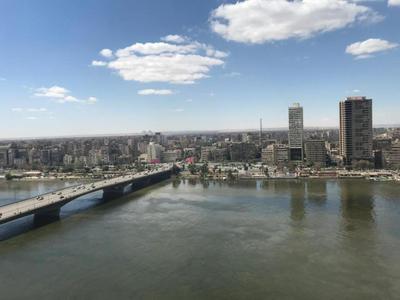 In this area
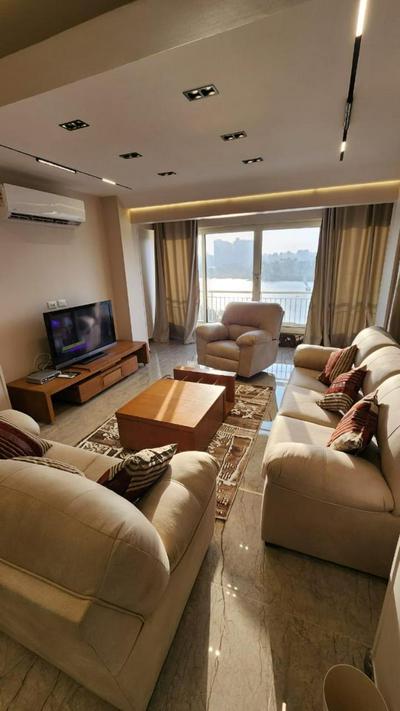 In this area
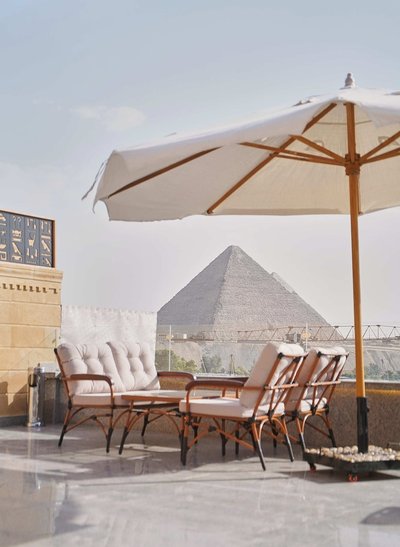 In this area
Coptic Cairo is the easiest quarter in Cairo to reach and the easiest to walk. The whole compound sits directly beside Mar Girgis station on Metro Line 1, the Helwan line, and the station exit drops you at the entrance. There is no taxi haggling, no traffic, no awkward transfer. From Downtown, board at Sadat in Tahrir Square in the Helwan direction and you are here in roughly ten minutes for about 8 EGP. The metro runs from around 5am to midnight, with trains every few minutes.
If you prefer a car, an Uber or Careem from central Cairo takes around 15 to 20 minutes in normal traffic and avoids the parking headache, because cars cannot enter the pedestrianised compound anyway. Once inside, everything is on foot. The lanes are short, flat and close together, and you can comfortably see the churches, museum, synagogue and market in half a day. Wear decent walking shoes for the uneven old flagstones and the low doorways, and note that there are steps rather than ramps in places.
The smart way to think about Coptic Cairo is as a half-day of concentrated history rather than a full-day wandering district. Pair it with the National Museum of Egyptian Civilization and the Mosque of Amr ibn al-As, both a short walk or one quick ride away in the same Fustat district, and you have a full, coherent day in old, southern Cairo. But even alone, the quarter is enough: a rare pocket of calm where you can hear your own footsteps, and where the city’s many pasts still seem to be speaking to one another.
Gallery
Yes. It is one of Cairo’s most rewarding half-days: a car-free compound where the Babylon Fortress, the Hanging Church, the Coptic Museum, Abu Serga’s crypt and the Ben Ezra Synagogue all sit within a short walk of one another. It is easy to reach by metro, free to enter the churches and synagogue, and especially peaceful early in the day.
No. Coptic Cairo is a heritage quarter of churches, museums and workshops with essentially no hotels, and it goes quiet after the sites close in the late afternoon. Stay in nearby Garden City, Downtown or Zamalek instead, then come in by Metro Line 1 to Mar Girgis.
Dress modestly: cover your shoulders and knees, since several churches are active places of worship and the nearby Mosque of Amr ibn al-As also expects respectful dress. A light scarf can be useful for women.
Half a day is enough for the main circuit. Two to three hours covers the Hanging Church, the Coptic Museum, Abu Serga, the Ben Ezra Synagogue and the Church of St George, with time left for Souq El Fustat or the Fustat Pottery Village.