The Cairo issue
Inside Cairo's National Museum of Egyptian Civilization
The royal mummies lie in a hall of their own, and the main gallery covers prehistory to modern Egypt. The things to settle beforehand are when to go and whether the guided ticket earns its price.

By Lucas MeyerWalking Cairo, from Old Cairo's churches to Al-Muizz Street
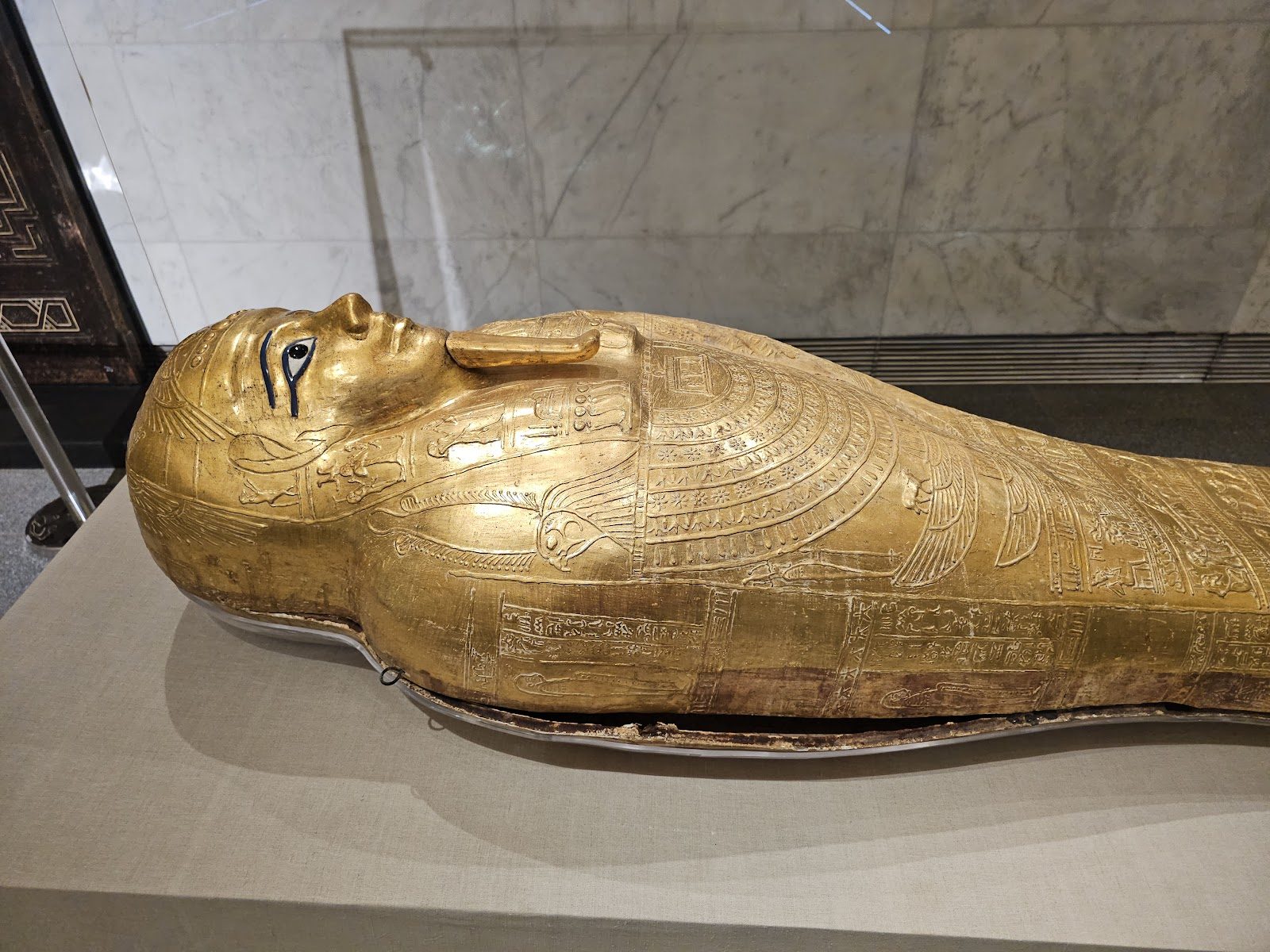
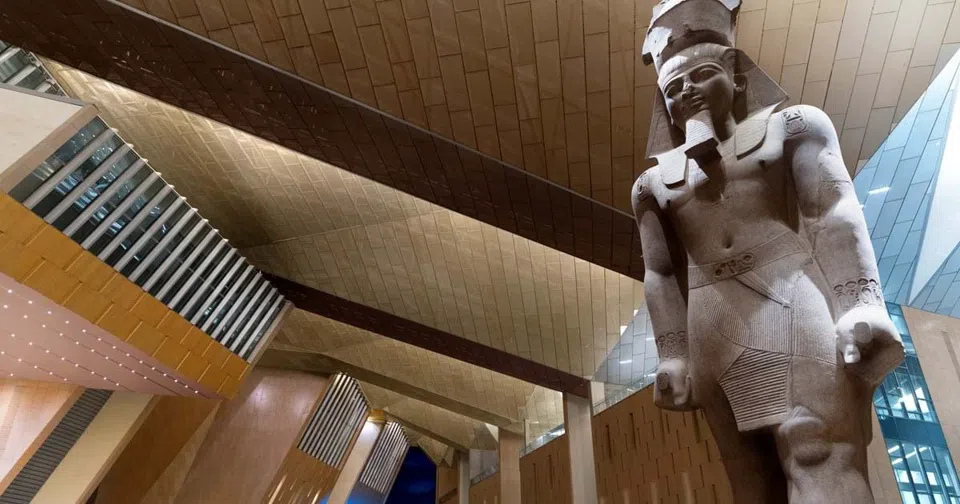
The royal mummies each lie in their own glass case, in a dark hall that curves downwards. Every one has its own spotlight. That hall is the reason to come out to Fustat. The National Museum of Egyptian Civilization sits on a rise above Ain El-Sira lake. A foreign adult pays 550 EGP at the door, and the Cairo Pass does not cover it.
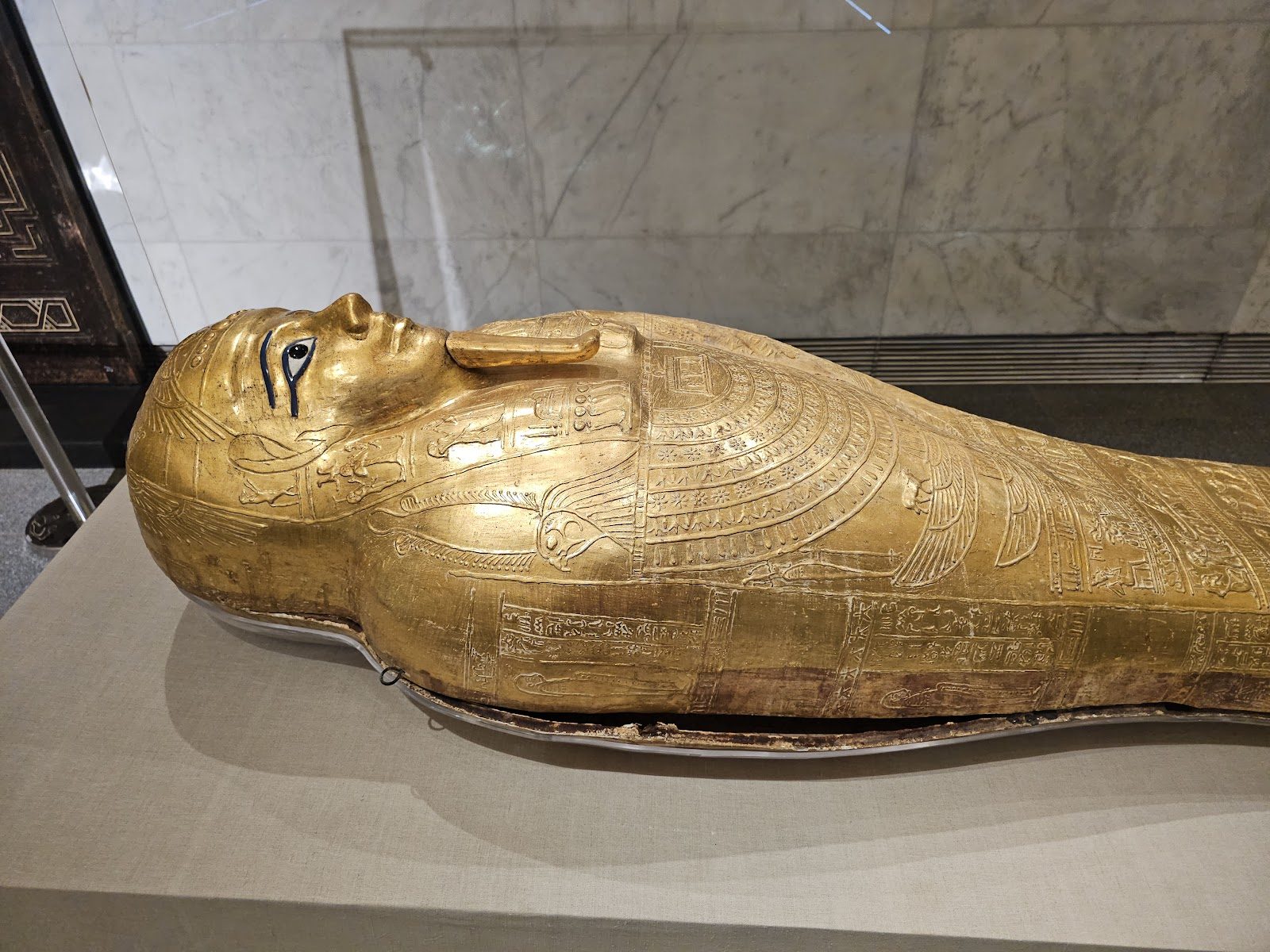
The royal mummies gallery
The mummies have their own gallery, away from the rest of the collection, and it is kept dark. You walk down into a ring of glass cases holding kings and queens of the 17th to 20th dynasties. They are laid out so that moving between them feels like walking through the Valley of the Kings. For your own photographs you need the separate photography ticket. Flash and tripods are not allowed.
Plan your Cairo trip
Live prices from our booking partners.
Free cancellation on many rooms. We may earn a commission when you book.
What the main gallery holds
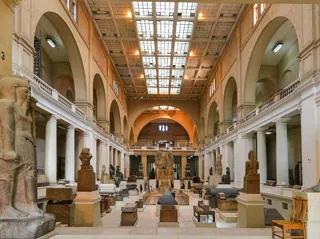
The main gallery runs in order through prehistory, the pharaonic centuries, the Greek, Coptic and Islamic eras and modern Egypt. That order is the point of the place: no other museum in Cairo tells the whole national story in one walk. On the way you pass the Nazlet Khater skeleton, the leather Tent of Purification and the inner coffin of Sennedjem. There is also an alabaster water clock made for Amenhotep III.
Tickets, guides and bags
At the door a foreign adult pays 550 EGP and a foreign student 300 EGP. The museum also sells a ticket that includes a guide, in Arabic or English. That one costs 1,510 EGP for an adult and 1,260 EGP for a student, and you pick your visit time when you book. Guided visits run every day, so arrange one a few days ahead.
Bags, backpacks and parcels bigger than 40 x 40 cm are not allowed past the entrance and have to go to the cloakroom. Travel light if you are coming straight from your hotel. Food and drink stay out of the galleries, apart from a small bottle of water.
Mornings, Fridays and Ramadan
The museum opens at 9 a.m. every day and closes at 5 p.m., with the last ticket sold at 4 p.m. On Friday it opens again in the evening, from 6 p.m. to 9 p.m., and that last ticket goes at 8 p.m. During Ramadan the last entry moves to 3 p.m.
Come at opening and you can take the chronological route at your own pace and still finish in the mummies hall. If your day is already full, use the Friday evening session.
Old Cairo on foot
Five minutes' walk away, The Coptic Museum holds the largest collection of Coptic artefacts in the world. The manuscripts, icons, carved woodwork and frescoes came out of old monasteries and churches, and single pieces show Pharaonic, Greek and Byzantine influence together. It opens daily from 9 a.m. to 5 p.m., the ticket window shuts at 4 p.m., and the hours are shorter during Ramadan. A foreign adult pays 280 EGP. Come here before the churches, because it explains what you are about to walk into.
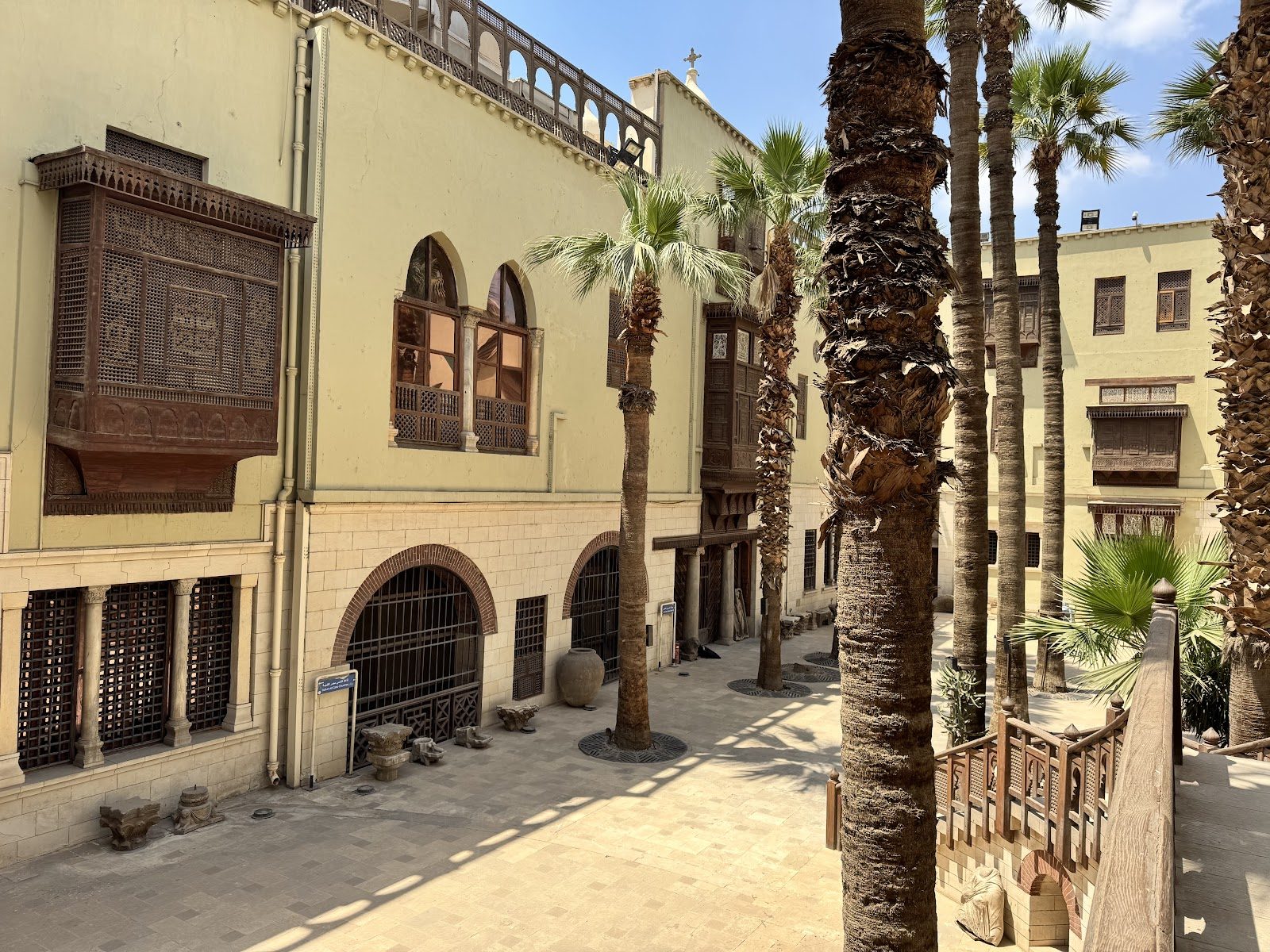
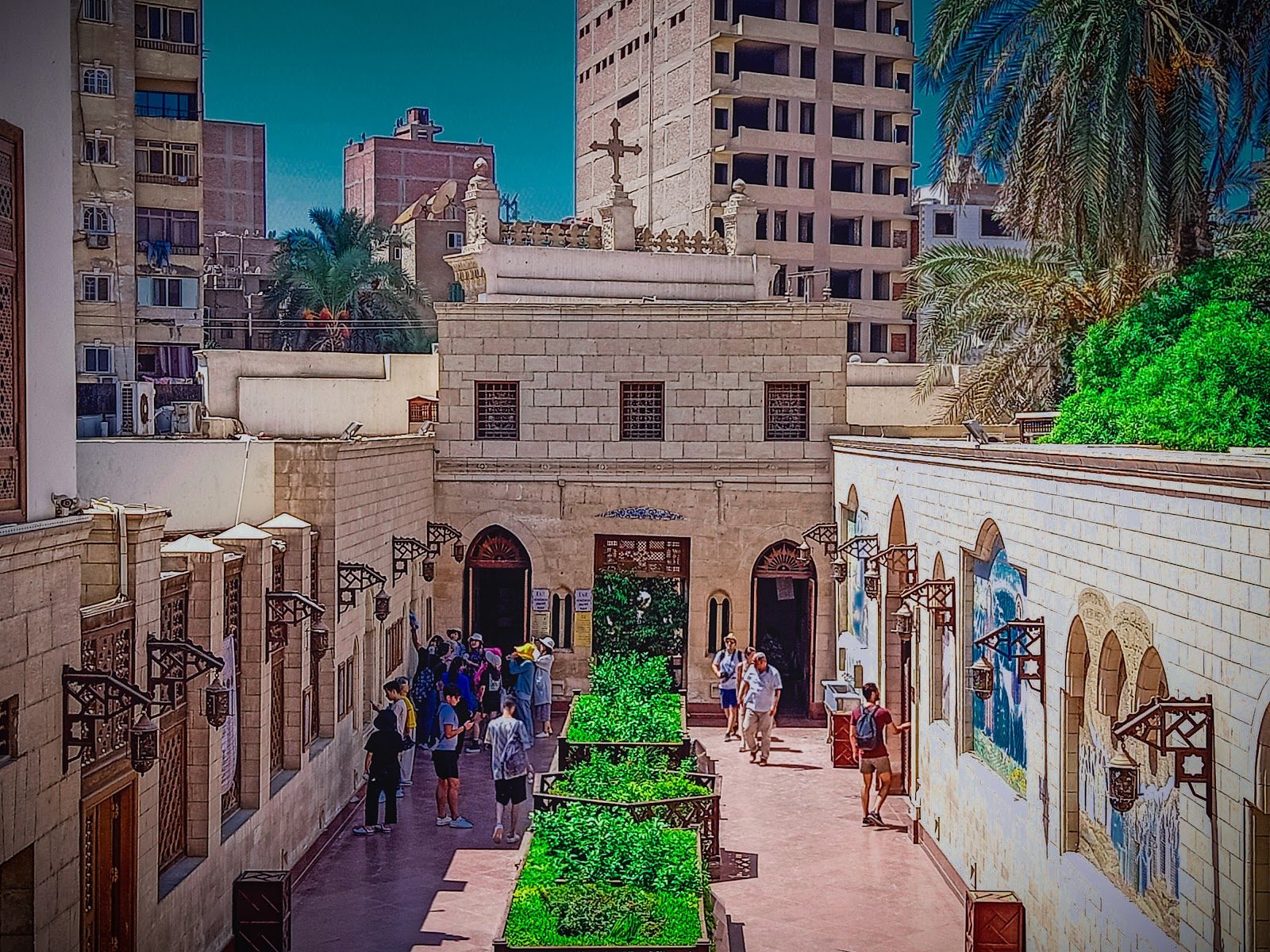
Next to it is The Hanging Church, free to walk around and open 9 a.m. to 4 p.m. every day. It is built on the gate of the old Roman fort, which is where the name comes from, and you climb a long stone stair to reach it. Inside, a semicircular wooden vault over the main court was built to look like the hull of Noah's Ark. The marble pulpit stands on a row of slim columns.
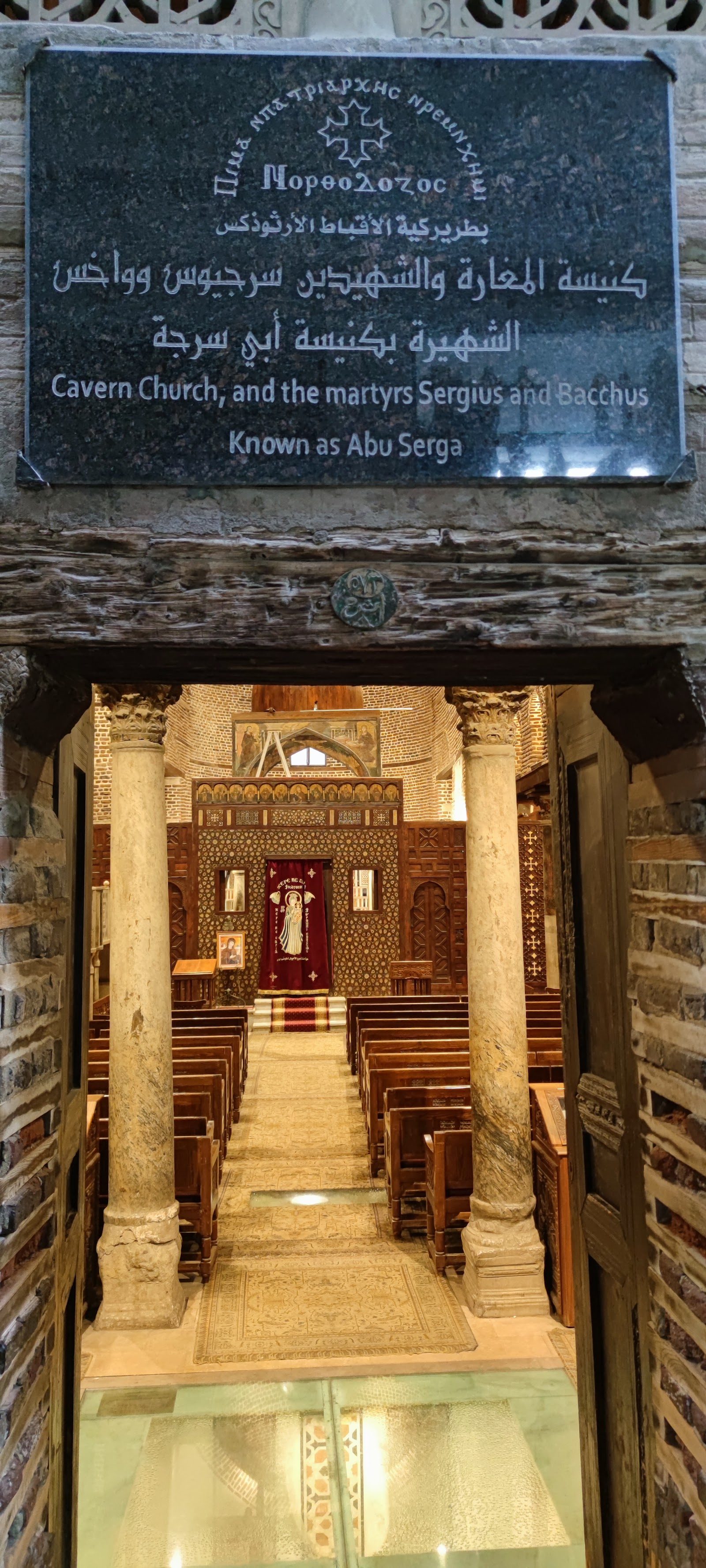
Two minutes on is the Church of Saint Sergius and Bacchus, known as Abu Serga. It is also free and open 9 a.m. to 4 p.m. The crypt is the reason to go. It sits about 10 metres below the sanctuary, down a flight of stairs, and it is tied to the Holy Family's journey through Egypt. It floods when the water table is high. If stairs are hard for you, skip this one, as there is little to see above ground.
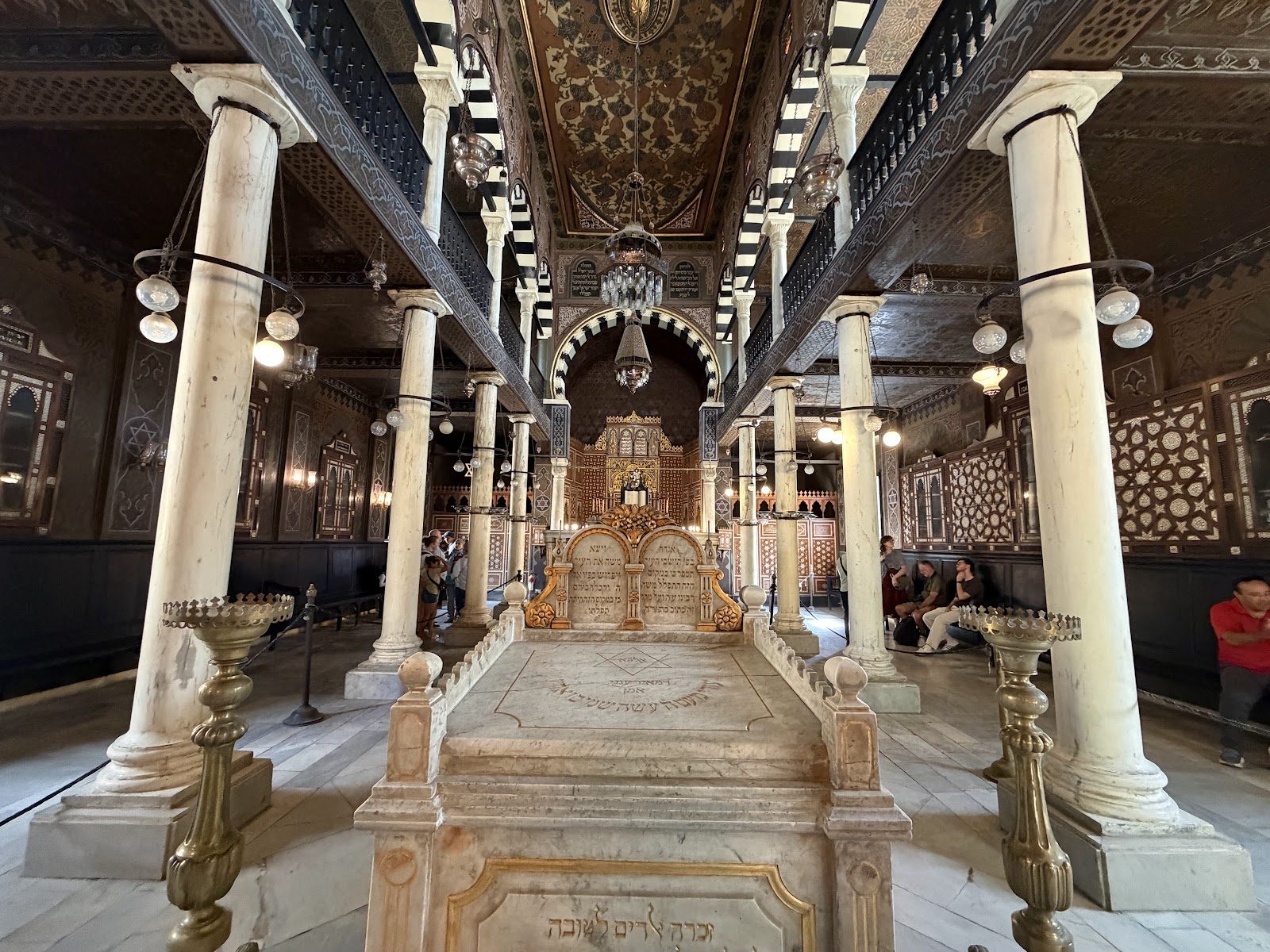
Ben Ezra Synagogue is a few minutes further on. It is free, and open 9 a.m. to 4 p.m. like the churches. The bimah, the platform the prayers were read from, stands in the middle of the hall. Documents were kept in the storeroom here for around 850 years, until it was opened in 1888 and the papers went out to libraries around the world. Bags are screened at the door and photography is not allowed inside, so plan on shooting only the exterior.
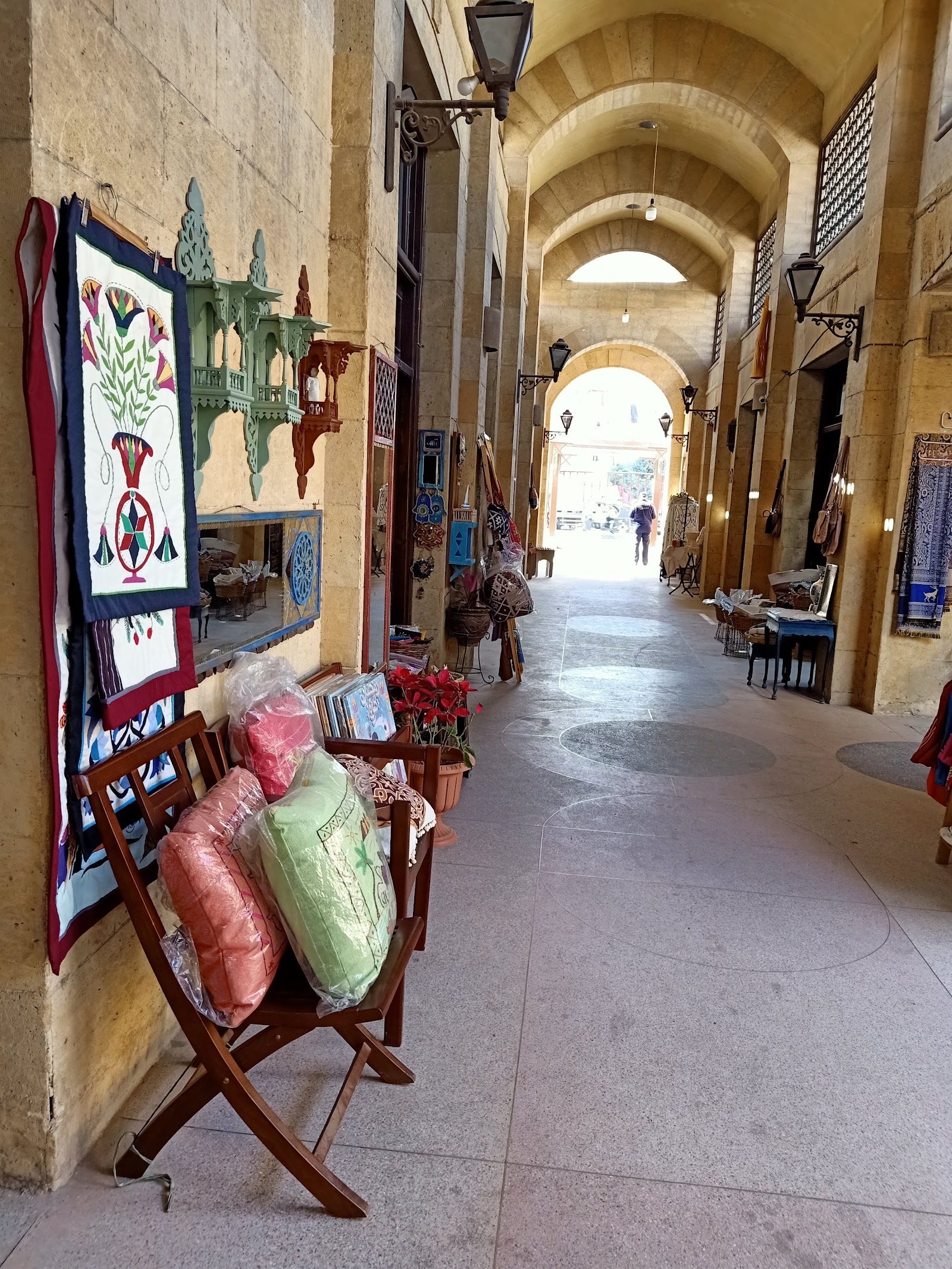
For souvenirs, Souq El Fustat is five minutes from the museum in Al Kafour. Craft galleries around the hall sell wood, leather and copper, and artisans work at benches in the back of their own shops. Entry is free, and because it is run as a non-profit nobody pushes you to buy. The galleries open at 10 a.m. and close at 5 p.m. early in the week, 7 p.m. from Thursday to Sunday.
Across to Rhoda island
On Rhoda island, a short drive across the water, the Al-Rawda Nilometer is the instrument Egypt once used to measure the flood. It was built in 861 under the Abbasid Caliph al-Mutawakkil. It is a stone kiosk, with stairways running down around a deep shaft to a graduated marble column in the middle. A foreign adult pays 120 EGP. It is open 9 a.m. to 5 p.m. daily, and the same ticket covers Al-Manasterly Palace next door.
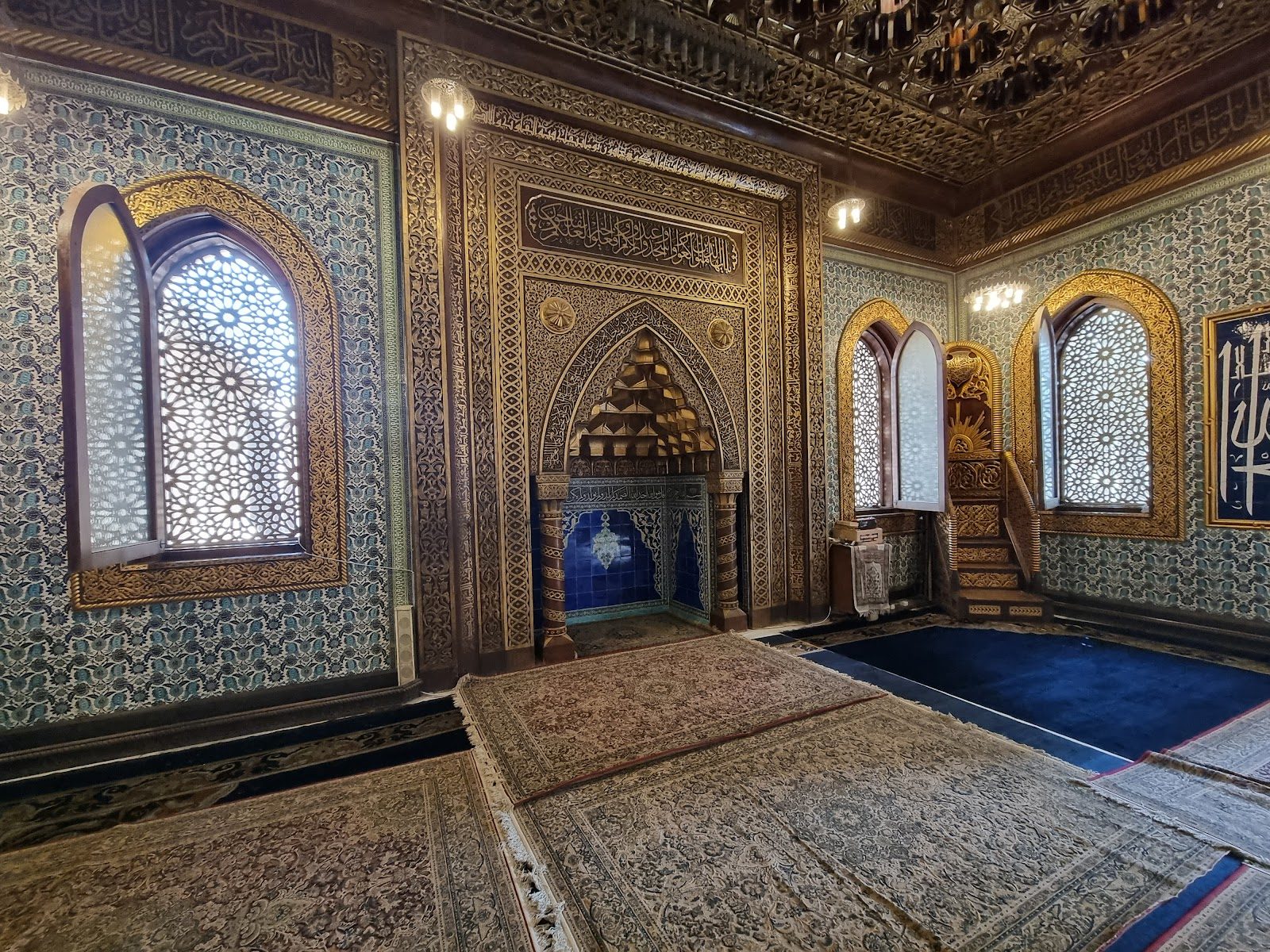
The Manial Palace Museum is on the island as well. It opens 9 a.m. to 5 p.m. and a foreign adult pays 220 EGP. It is a cluster of separate pavilions, each built in a different style, with a planted garden of banyans and palms around them. A good part of the visit is outdoors.
Pairing it with the Citadel
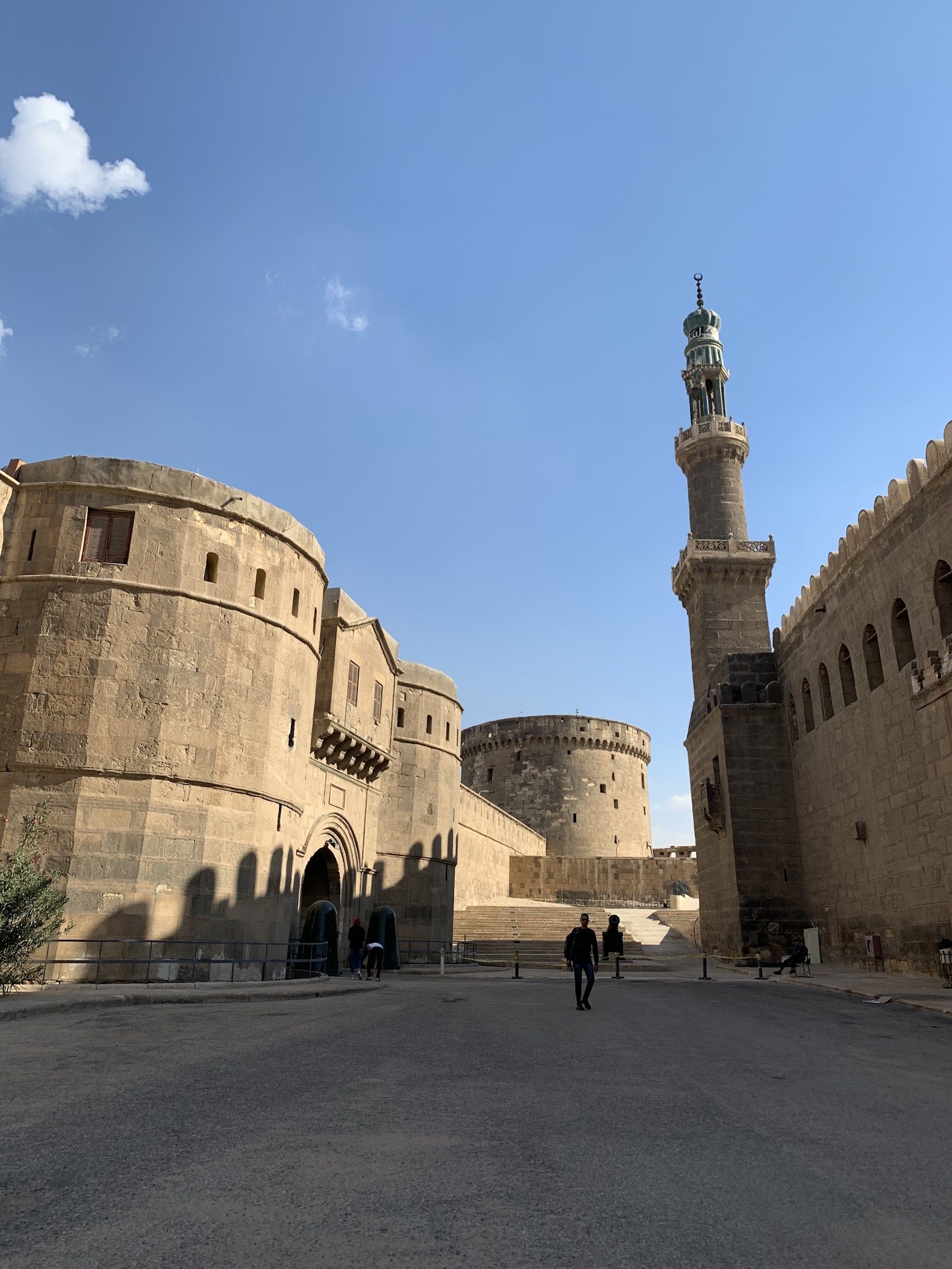
The Cairo Citadel is the usual afternoon after a museum morning, and the terrace gives you a view over the whole city. It opens at 8 a.m., an hour earlier than almost everything else in Cairo, and closes at 5 p.m. The area ticket is 550 EGP for a foreign adult, plus 25 EGP for the taxi or car that drives you up. Inside the walls, the same ticket covers the alabaster Mosque of Muhammad Ali Pasha, two older mosques and several museums. Saladin began the fortress in 1176.
Before you go
Old Cairo closes early, so visit the churches and the Coptic Museum before late afternoon, and let the museum's last-ticket hour shape the rest of the day. Book a guided slot a few days ahead if you want one, and keep your bag small enough to carry through the door. See the Cairo guide and the Cairo hotel search.
Before you go
How much does it cost to get into the National Museum of Egyptian Civilization?
At the door a foreign adult pays 550 EGP and a foreign student 300 EGP. The museum's own ticket with a guide, in Arabic or English, costs 1,510 EGP for an adult and 1,260 EGP for a student. The Cairo Pass does not cover the museum.
What are the opening hours?
It opens at 9 a.m. every day and closes at 5 p.m., with the last ticket at 4 p.m. On Friday there is also an evening session from 6 p.m. to 9 p.m., with the last ticket at 8 p.m. During Ramadan the last entry is 3 p.m.
Where is the museum, and what else is nearby?
It is in Fustat, on a rise above Ain El-Sira lake. The Coptic Museum and the Hanging Church are five minutes' walk, Abu Serga and Ben Ezra Synagogue a few minutes beyond them, and Souq El Fustat another five minutes away for crafts.
Can you take photographs inside?
You can take personal photos and video once you have paid the photography ticket, but not with flash or a tripod. Bags, backpacks and parcels bigger than 40 x 40 cm go to the cloakroom, and you can carry only a small bottle of water into the galleries.
Is a guide worth paying for?
The guided ticket roughly triples what you pay, so take it if you want the main gallery's chronology explained as you walk it. You choose your visit time when you book, and the museum arranges groups through its tours channel.
What is in the Royal Mummies Gallery?
Kings and queens of the 17th to 20th dynasties lie in their own spotlit cases in a dark descending hall, laid out so the walk feels like the Valley of the Kings. The gallery is separate from the chronological main collection.