The Cairo issue
Parliament of the Ahwa: Inside Cairo's Coffeehouse Life
From Naguib Mahfouz's 18th-century alley to the downtown passages where revolutions were argued into being — how to read, order and belong in Cairo's coffeehouses in 2026.
By Nadia HaddadEating Cairo from the dawn markets to the last koshari counter
In Cairo the word ahwa (قهوة) means two things at once — the thick, cardamom-dark coffee in the cup, and the room where it is drunk — and after a hundred visits I still can't tell you which the city cares about more. Long before the glass reaches your table you hear the place: the clack of backgammon (طاولة, tawla) counters, the low wet gurgle of a shisha, a waiter's tin tray ringing like a bell against a stack of glasses. This is where Cairo argues, mourns, flirts and legislates without ever electing anyone — a parliament of the ahwa, in permanent, unadjournable session.
What you are actually ordering
Before you sit anywhere, learn the shape of the menu, because it barely changes from the grandest tourist terrace to the plastic-stool ahwa on a side lane. The house drink is qahwa turki (قهوة تركي), Turkish coffee — unfiltered, poured grounds and all, and ordered by its sugar rather than its size. Ask for it saada (سادة, no sugar), mazbouta (مظبوطة, medium), or ziyada (زيادة, sweet); let the grounds settle for a slow minute and stop drinking before you reach the silt at the bottom. Then there is shai (شاي), tea, which most Cairenes take bi na'na (بالنعناع, with a fistful of fresh mint) — sharper and greener in the glass than any teabag suggests. In summer look for karkadeh (كركديه), a tart hibiscus infusion served iced, and in winter sahlab (سحلب), a warm, faintly floral drink thickened from orchid-root starch and dusted with cinnamon, coconut and chopped nuts — a dessert pretending to be a beverage.
Over almost all of it hangs the shisha (شيشة), the water pipe, usually packed with mu'assel — apple, or the double-apple tuffah that tastes of aniseed and childhood sweets. You pay per head, per drink, and the kori (the smouldering coals) get changed for a few pounds' tip. That tip — a baksheesh of small coins left on the tray — is the real etiquette of the ahwa. Nurse one coffee for two hours and nobody minds; leave nothing for the man refreshing your coals and you will feel the room notice.
I won't send you anywhere on the strength of a single afternoon — a kitchen or a coffeehouse has good days and bad — so everything below is somewhere I've sat more than once, in more than one season. Prices are 2026, in Egyptian pounds (EGP), and they move; treat them as the shape of the bill, not the bill itself.
Plan your Cairo trip
Live prices from our booking partners.
Free cancellation on many rooms. We may earn a commission when you book.
Khan el-Khalili and Islamic Cairo — the postcard ahwas
This is where most travellers meet the ahwa, in the medieval lanes around the Al-Hussein Mosque, and there's no shame in that: the setting does half the work.
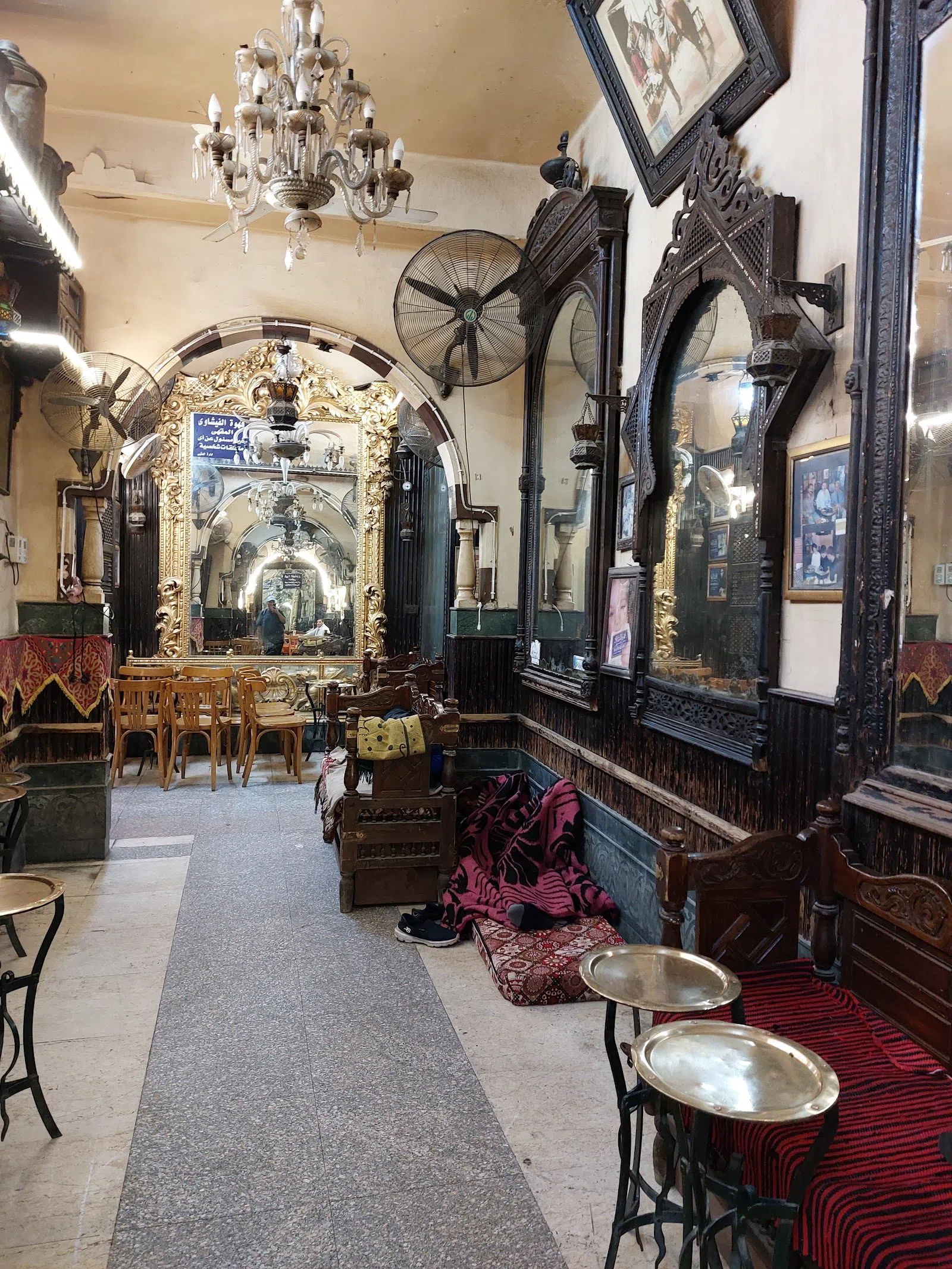
El Fishawy (Khan el-Khalili) is the one on every list, and for once the fame is earned. Running since 1797 down a narrow mirror-lined alley, it was Naguib Mahfouz's own haunt, and its brass-topped tables and hanging lamps are the definitive first taste of ahwa life. There are no bookings and no real tables to reserve — you squeeze onto the communal benches, and at peak hours a big group simply gets scattered across whatever gaps open up. It is unashamedly touristy and a shade pricier than a backstreet place — Turkish coffee or mint tea runs about 20–40 EGP, shisha 40–80 EGP — and hawkers will drift past with wallets and camel-bone trinkets. Come anyway, ideally mid-morning or late at night when the crush eases, and let it be your overture rather than your whole evening. Women, families and first-timers are entirely at home here.
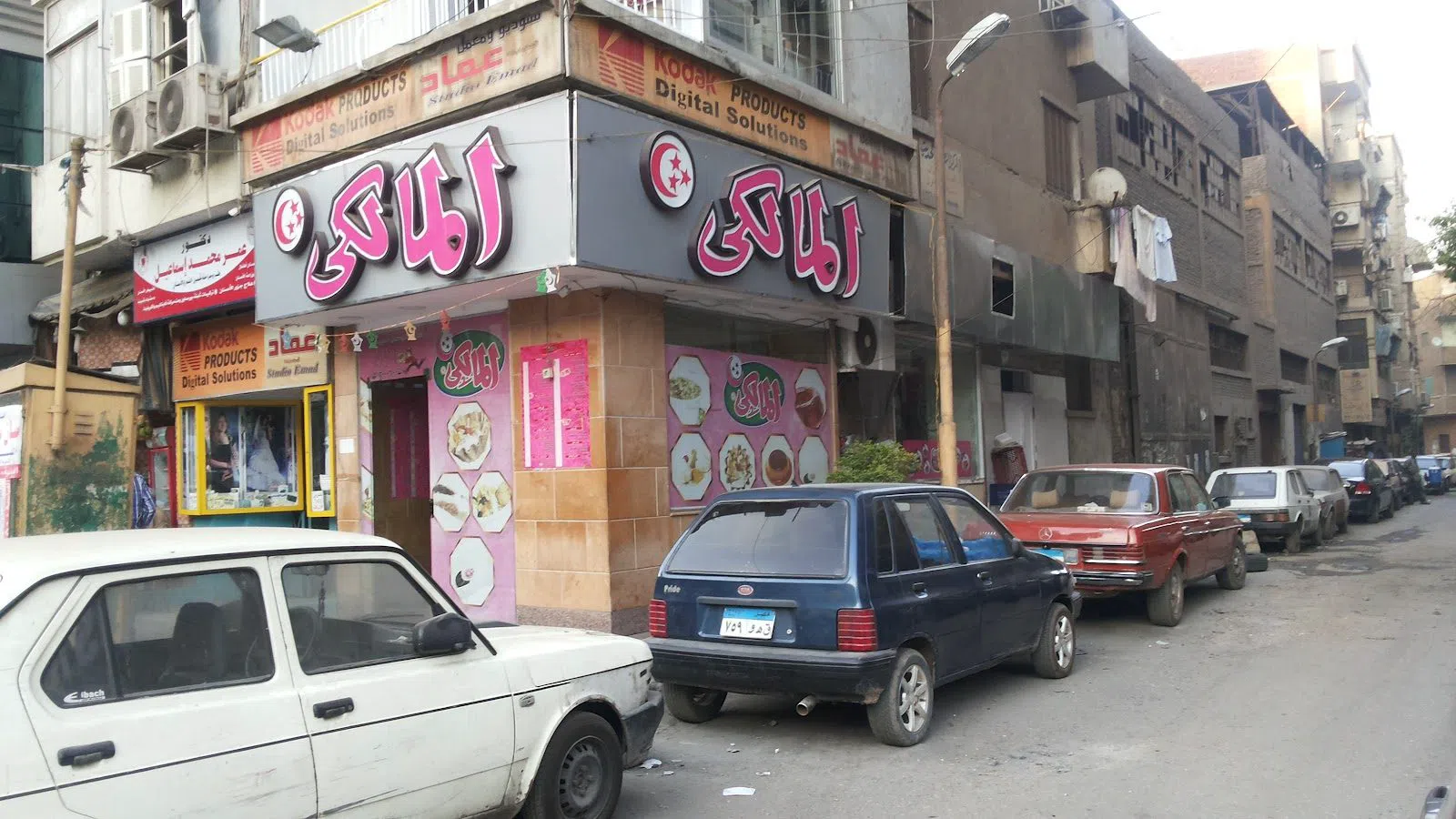
A two-minute walk toward the mosque brings you to El Malky (facing Al-Hussein Mosque), which isn't strictly a coffee-and-shisha ahwa at all but a milk house — and all the better for a mid-souk rest. This is the place for sahlab done properly, and for cold ruz bi laban and other milk puddings (roughly 35–90 EGP for the sweet drinks and desserts; tea and coffee a plainer 20–40 EGP). The open-air seating on the square takes groups easily, there are no reservations, and the view of the illuminated mosque façade at dusk is the reason to plant yourself here between temple-runs. Bring children; they'll thank you.
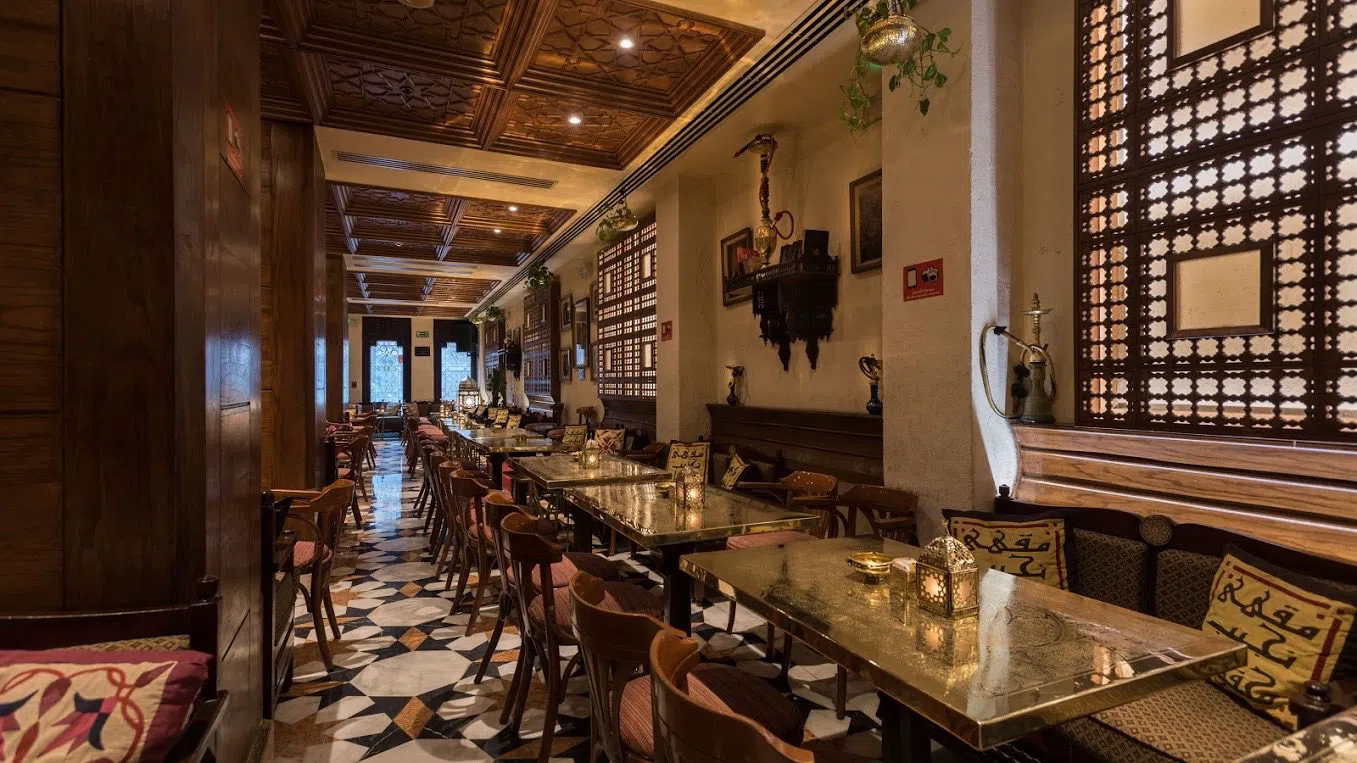
For travellers who want the atmosphere without the rough edges, Naguib Mahfouz Café (inside Khan el-Khalili) is the safe, comfortable choice. Run by the Oberoi group since 1989 and named for the Nobel laureate, it is the one option on this whole list that genuinely takes phone and website bookings, seats large parties, and runs clean, air-conditioned rooms — a minimum charge applies, and prices climb accordingly (drinks around 80–150 EGP, full meals 300–700 EGP). It is polished rather than gritty, and purists will sniff, but for a mixed tour group, an elderly parent, or a scorching August afternoon when you need the A/C and a reservation you can rely on, it is exactly right.
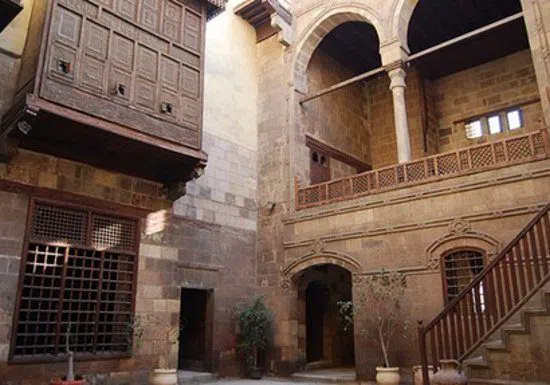
My own favourite in this quarter is quieter. Beit Zeinab Khatoun (behind Al-Azhar) is a restored 15th-century house whose stone courtyard — shared with the neighbouring Beit El Harawi — has become an ahwa, and it is the closest thing on this list to stepping bodily into an older century. The large open courtyard absorbs groups without any booking, the crowd skews young and Cairene with a scattering of travellers, and on many evenings there is live oud or Sufi music under the walls. Order sahlab or mint tea (20–45 EGP, shisha 40–70), sit against the warm stone, and understand why I keep coming back. Relaxed and easy for women and mixed groups.
Downtown (Wust el-Balad) — the thinking ahwas
Cross west into the belle-époque grid of downtown and the ahwa changes character. Here the coffeehouses are less about setting than about talk — the ink-stained, chain-smoking, argue-till-dawn kind.
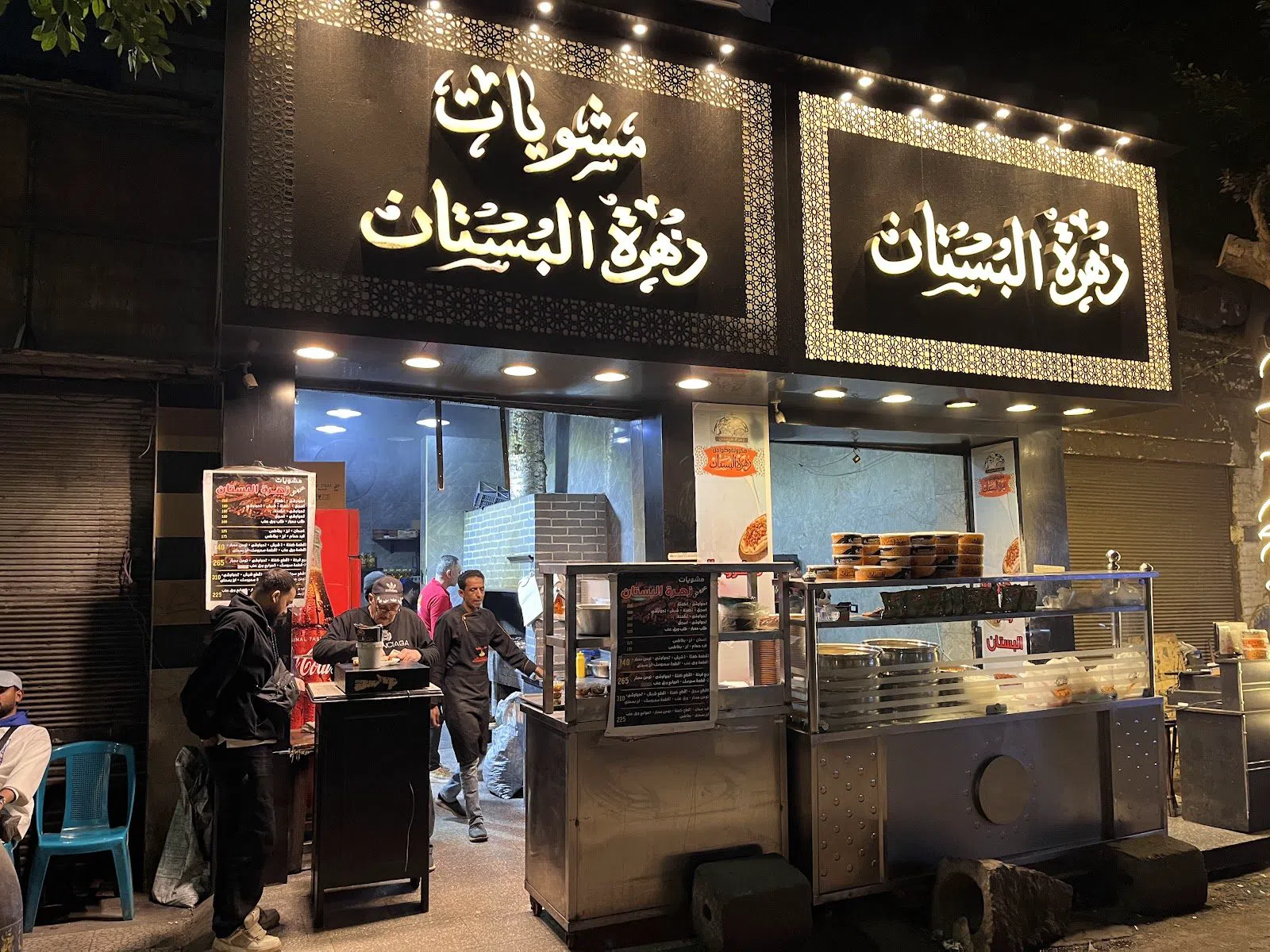
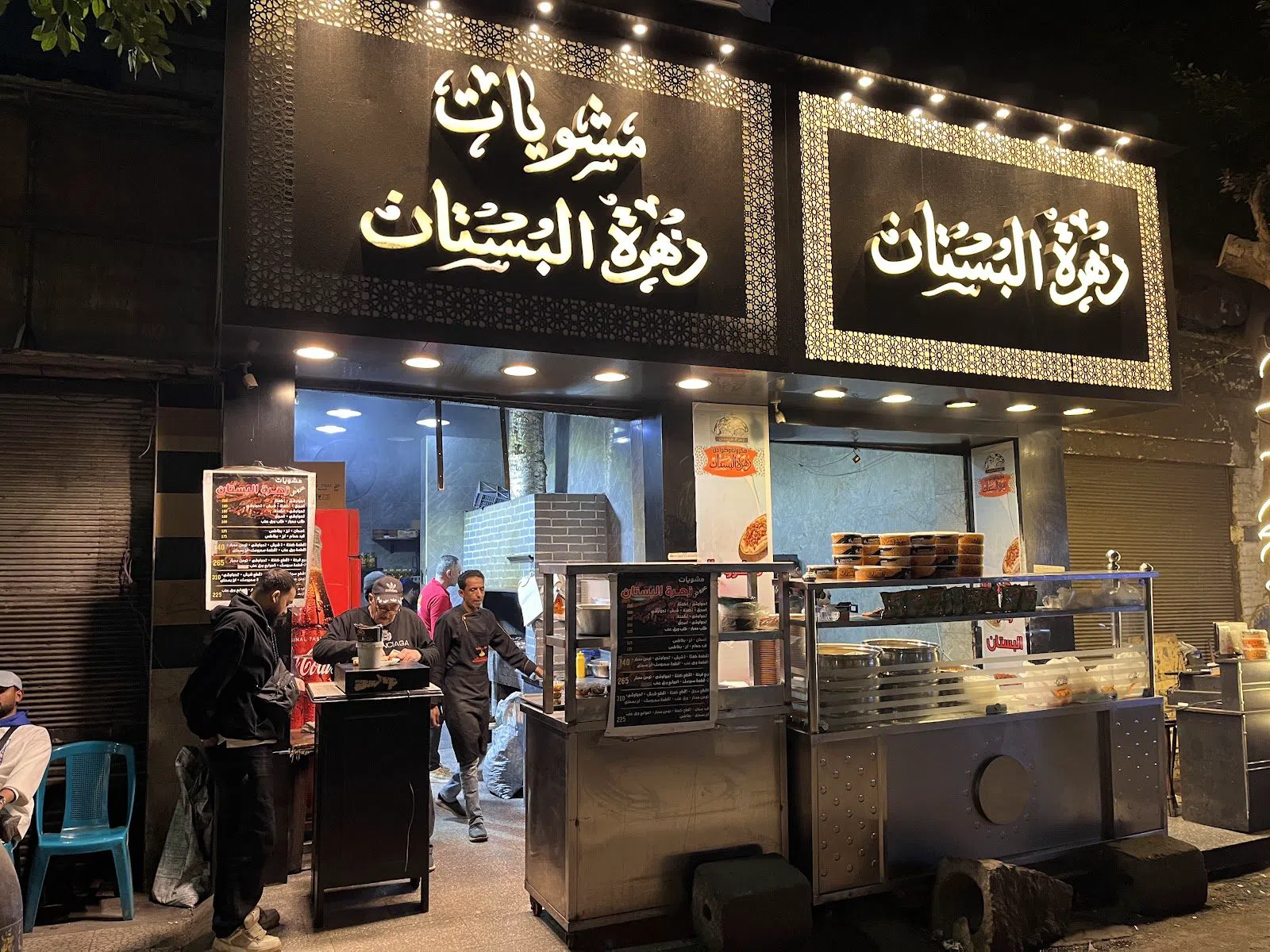
Zahret El Bustan (off Talaat Harb, downtown) is the one I'd steer a curious traveller toward first. Tucked into an informal passage, roughly eighty years old, it was a literati hangout long before it became a gathering point during the 2011 revolution, and it still feels genuinely local rather than staged. Staff shove tables together as groups arrive; there are no reservations and it's strictly first-come. The crowd is a proper Cairo mix of locals, artists and travellers, the tea and coffee sit around 15–35 EGP and shisha 35–70, and the conversations at the next table are the entertainment.
A few steps away, Café El Borsa (Borsa district, downtown) sprawls across an entire pedestrian lane, which makes it one of the better bets for a big group — you simply claim a cluster of chairs, no booking possible or needed. It's long been an artist-and-activist perch, lively and expat-friendly, with the same gentle prices (tea/coffee 15–35 EGP, shisha 35–70). One honest note: the wider Borsa café strip was cleared by the authorities back in 2013–14, so it's smaller than its legend, but the café itself is very much open and the buzz on a warm night is undimmed. Frills are minimal; that's the point.
For a more contemporary, creative slice of ahwa culture, seek out Tak3eeba (also written Takiba; downtown). This is the arts-scene coffeehouse — filmmakers, painters, expats — and it's intimate, which is both its charm and its limit: it's made for pairs and small groups, not a party of ten. No bookings, mixed-gender and foreigner-friendly, and the pricing stays baladi-cheap (15–35 EGP for drinks, 35–65 for shisha). Come here when you want the ahwa as it exists now, not as heritage.
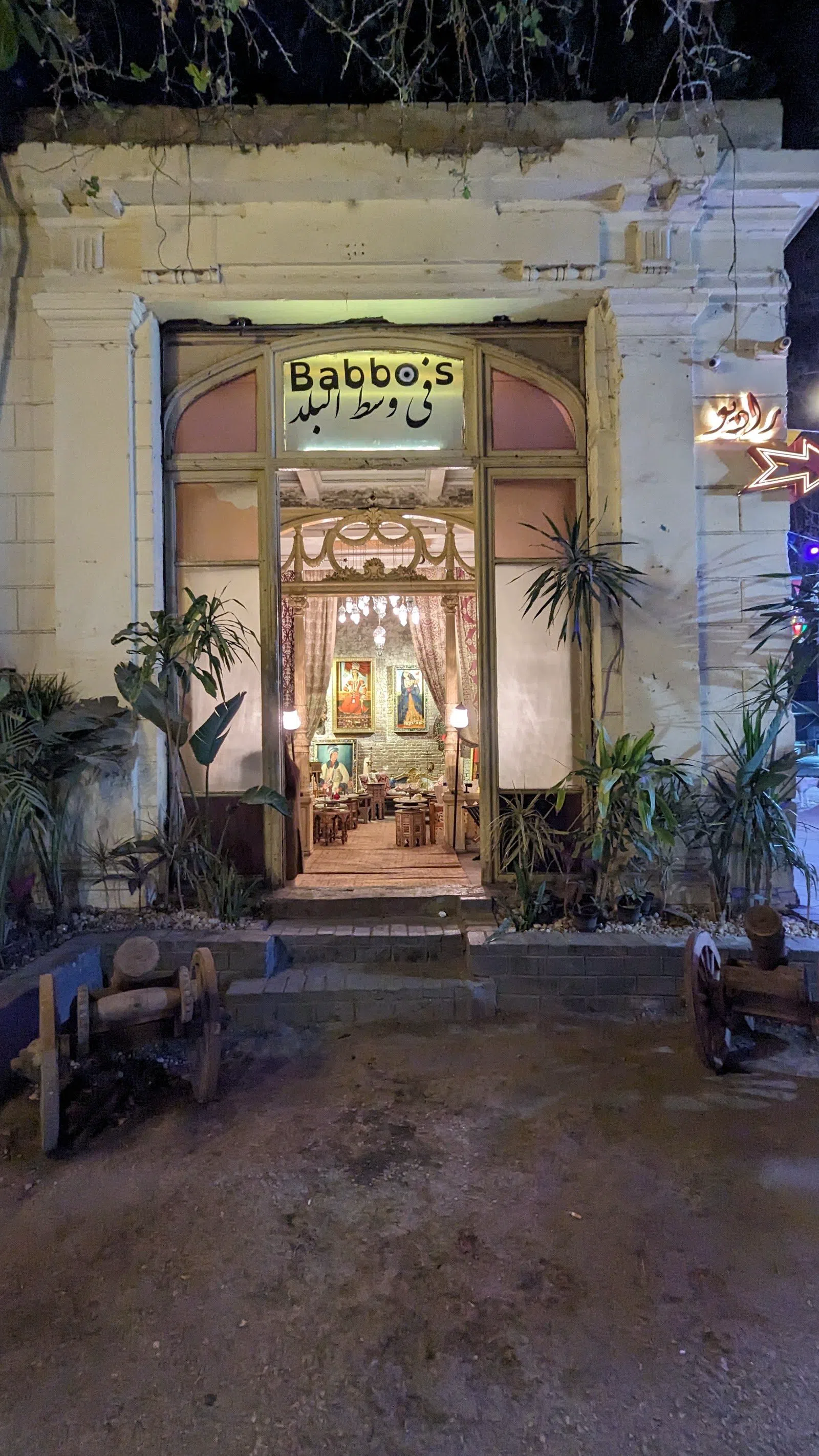
The heritage rooms — history over a table
Two downtown institutions aren't really ahwas at all but sit-down cafés, and they earn their place for what has happened inside them.
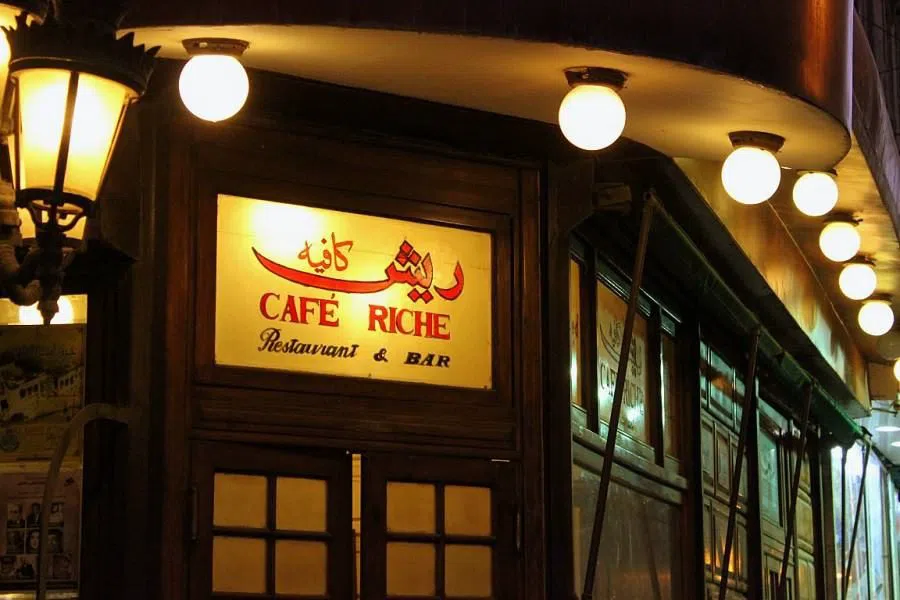
Café Riche (Talaat Harb, downtown) has been pouring since 1908 and served as a cradle of twentieth-century Egyptian intellectual and revolutionary life — the writers, the plotters, the singers all passed through its dark-wood room. Because it offers proper table service it seats groups comfortably and can even take a booking on the restaurant side, which makes it far calmer than any street ahwa. Coffee runs 40–70 EGP and mains 120–250 EGP. I'll be straight with you: service and upkeep get mixed reviews, and you go for the history rather than the cooking. But sit beneath the old photographs, and the room does the storytelling.
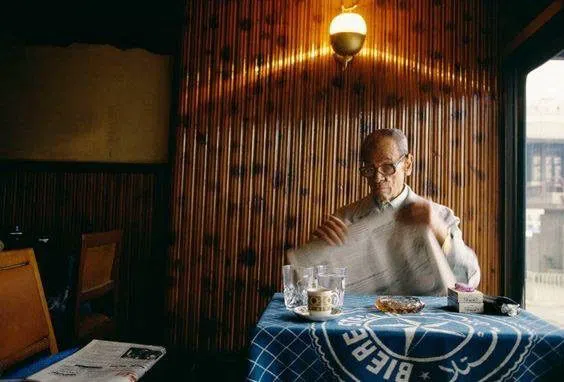
The other is Ali Baba Café (over Talaat Harb Square), a 1968 café that Mahfouz walked to daily. The whole reason to come is the second-floor balcony — an unbeatable window over the downtown traffic, the tram of pedestrians, the whole ceaseless theatre of the street. It's casual, takes no reservations, and the upstairs seats small-to-mid groups; a coffee or tea is a modest 25–50 EGP. Order one, claim a railing seat, and lose an hour watching Cairo be Cairo.
When the group wants a beer
An ahwa serves no alcohol — but one storied hall bends the rule. El Horreya (near Tahrir Square) has been open since 1936, and its cavernous, strip-lit room works as both a classic ahwa on one side and one of Cairo's cheapest beer halls on the other, where a large Stella lands for about 55–70 EGP against tea or coffee at 15–30. Seating is first-come across long communal tables, no bookings, and while it was historically a men's room, foreigners of every gender are unremarkable here now. It is spartan and frankly unlovely — no lamps, no courtyard, no romance — but for a group that wants to alternate mint tea and cold beer in the same seat, nowhere else does the job. Go for the crowd and the price, not the décor.
Which to choose, honestly
If you have one evening: El Fishawy for the overture, then Zahret El Bustan for the real conversation. Travelling as a large or mixed-comfort group, or with older relatives: book Naguib Mahfouz Café and don't apologise. A couple after atmosphere: Beit Zeinab Khatoun or the balcony at Ali Baba Café. Wanting the current, artsy Cairo: Tak3eeba. And a rowdy crew that wants beer in the mix: El Horreya, no question.
Planning notes for 2026
Getting there. Downtown and Khan el-Khalili are close but not walkable to each other in the heat — the Cairo Metro drops you at Sadat (for Tahrir and downtown) or a short taxi from Al-Hussein for the Khan. Use the metered ride-hailing apps to avoid the taxi-fare negotiation; a cross-town hop is cheap by any measure.
Cash is king. Nearly every ahwa here is cash-only in small notes. Carry plenty of coins and 10–20 EGP bills for drinks, shisha coals and the all-important baksheesh — don't expect a card machine, and don't expect change for a large note late at night.
Timing. Ahwas are creatures of the evening; many hum loudest from around 21:00 until well past midnight, and Islamic Cairo is at its most magical after dusk when the mosques light up. During Ramadan the rhythm inverts — quiet by day, packed and joyful after iftar. Fridays start slow.
Budget. Two people can drink coffee, share a shisha and tip well at a backstreet ahwa for well under 200 EGP; the same at El Fishawy or Naguib Mahfouz Café will run several times that once minimum charges and tourist pricing land. Neither will break you.
Where to stay. Base yourself downtown or near the Nile and every coffeehouse here is a short ride away — start your search with our Cairo hotel search. For neighbourhoods, sights and everything beyond the ahwa, our full Cairo guide picks up where this leaves off.
Sit long enough in any of these rooms and you'll stop being a spectator. Someone will offer you a coal for your shisha, or ask, in careful English, where you're from — and just like that you'll have taken your own seat in the parliament of the ahwa. It has been in session for two centuries. It is not adjourning any time soon.
Before you go
What is an 'ahwa' in Cairo?
'Ahwa' (قهوة) is the Egyptian word for both Turkish coffee and the traditional coffeehouse where it's drunk. These are social institutions where Cairenes linger for hours over coffee, mint tea and shisha, playing backgammon and talking — as much community living room as café.
Are Cairo's coffeehouses suitable for women and families?
Yes. El Fishawy, El Malky and Beit Zeinab Khatoun are explicitly comfortable for women and families, and downtown spots like Zahret El Bustan and Tak3eeba are mixed-gender and foreigner-friendly. Even historically male El Horreya now treats foreign visitors of any gender as unremarkable.
Can I reserve a table at a traditional Cairo ahwa?
Almost never — traditional ahwas like El Fishawy, Zahret El Bustan and Café El Borsa are strictly first-come, with staff pushing tables together as groups arrive. The exceptions are Naguib Mahfouz Café, which takes phone and website bookings, and Café Riche's restaurant side.
How much does a coffee and shisha cost in Cairo in 2026?
At a backstreet or downtown ahwa, expect roughly 15–40 EGP for Turkish coffee or mint tea and 35–80 EGP for shisha. Tourist-facing El Fishawy runs higher, and the Oberoi-run Naguib Mahfouz Café is pricier still with a minimum charge. Bring cash in small notes.
Which Cairo coffeehouse is best for a large group?
For a big or mixed group wanting comfort and A/C, book Naguib Mahfouz Café in Khan el-Khalili. For a livelier, cheaper option, Café El Borsa sprawls across a whole lane and El Horreya's cavernous hall seats crowds — and adds cheap beer to the mix.