
Look up anywhere in Cairo's older quarters and the skyline breaks into silhouettes that have nothing to do with minarets or satellite dishes: wooden dovecotes, mud-brick lofts and wire coops perched on rooftops that have held pigeons for generations. At sunset the birds lift off in loose spirals over Fustat, Shubra and the old Fatimid core, wheeling on some private signal from the man standing below with a long pole and a flag, then dropping back into the tower before the light goes. It is a working tradition as much as a beautiful one — these birds end up stuffed with freekeh at wedding tables across the city, and the culture that keeps them airborne runs from bird markets to butchers' blocks to some of the best-value cooking in Cairo.
Where the Towers Still Stand
Pigeon-keeping in Cairo isn't a museum piece — it's a live hobby practised by tens of thousands of men across a city of 22 million, on rooftops too ordinary to photograph well from the street. The one place a visitor can actually see it properly, at scale and with context, is Al-Muizz Street (Historic/Fatimid Cairo, running north from Bab Zuweila to Bab al-Futuh). Walk it in the late afternoon and the thousand-year-old stone facades of the mosques and merchant houses give way, above the roofline, to scrap-wood coops and painted dovecotes that have nothing to do with the Fatimid architecture below them and everything to do with the people living under it now. It's free to walk, entirely flat and easy in a group, and pairs naturally with a heritage or photography tour — guided photography walks run roughly $20-40pp and are worth it here specifically because a local guide knows which rooftops are visible from street level and which alleys give a clean sightline up.
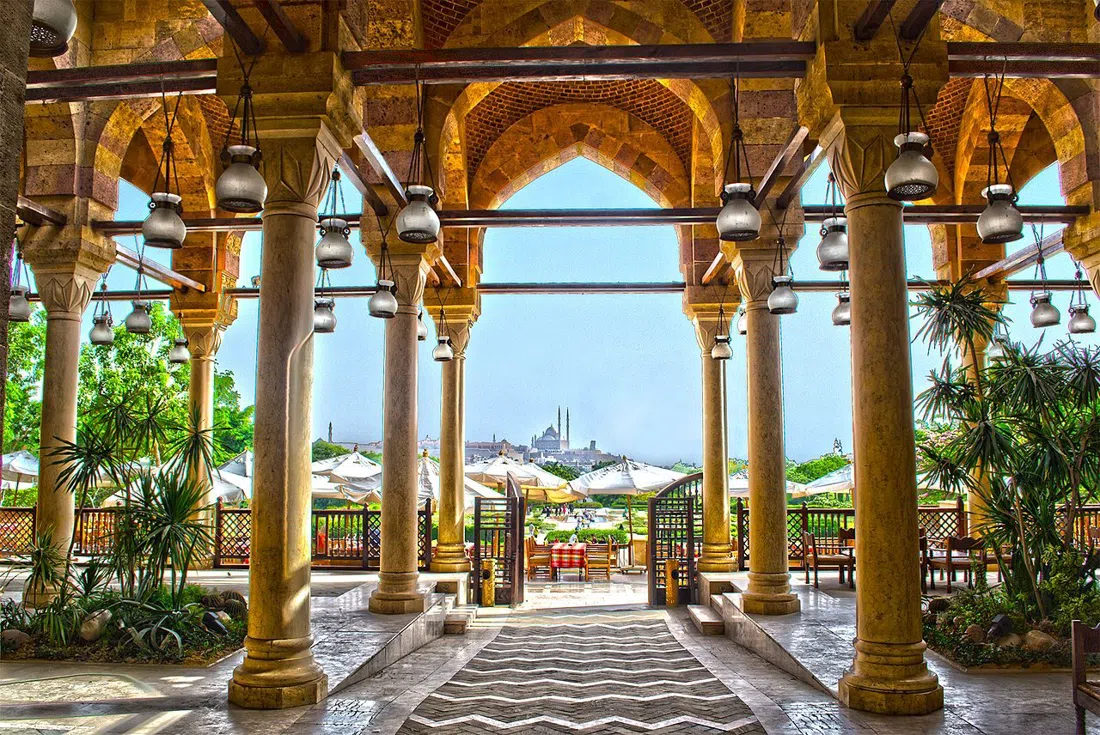
For the view itself — the pigeons themselves, not just their towers — go to Al Azhar Park (Citadel View terraces, Darassa). This is a public park built over what was a centuries-old rubbish dump, and its terraces look straight across the old city to the Citadel and the mosque-dotted skyline beyond. Come for sunset and you'll watch flocks of pigeons peel off dozens of rooftops at once and wheel against exactly the kind of light that makes the whole tradition legible in one frame — it's the best vantage point in Cairo for this, full stop. Entry runs a few hundred EGP; the on-site restaurant is mid-to-upscale and handles groups easily, so it's a reasonable place to combine the view with an actual sit-down meal rather than just a photo stop.
The Friday Bird Market
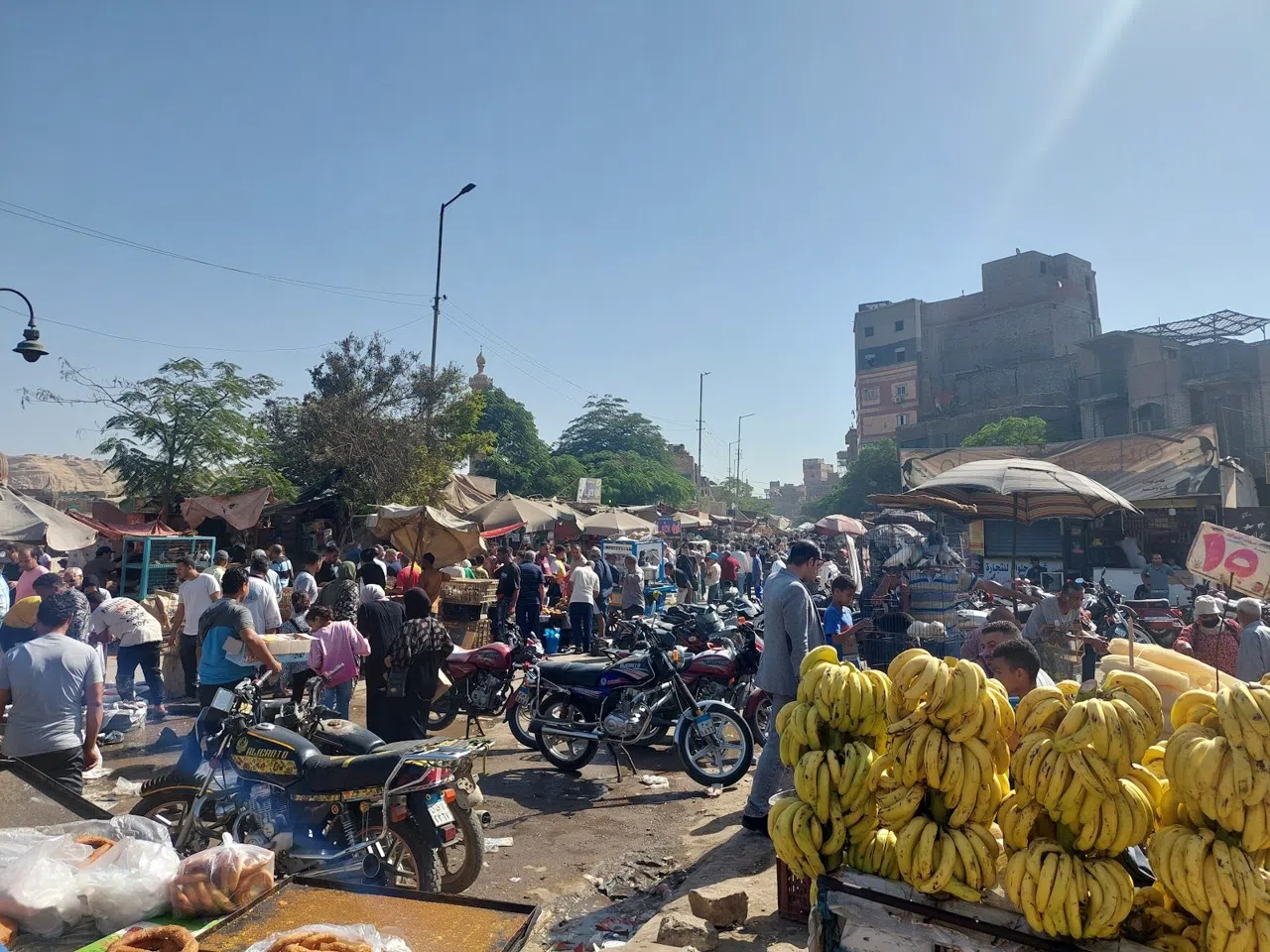
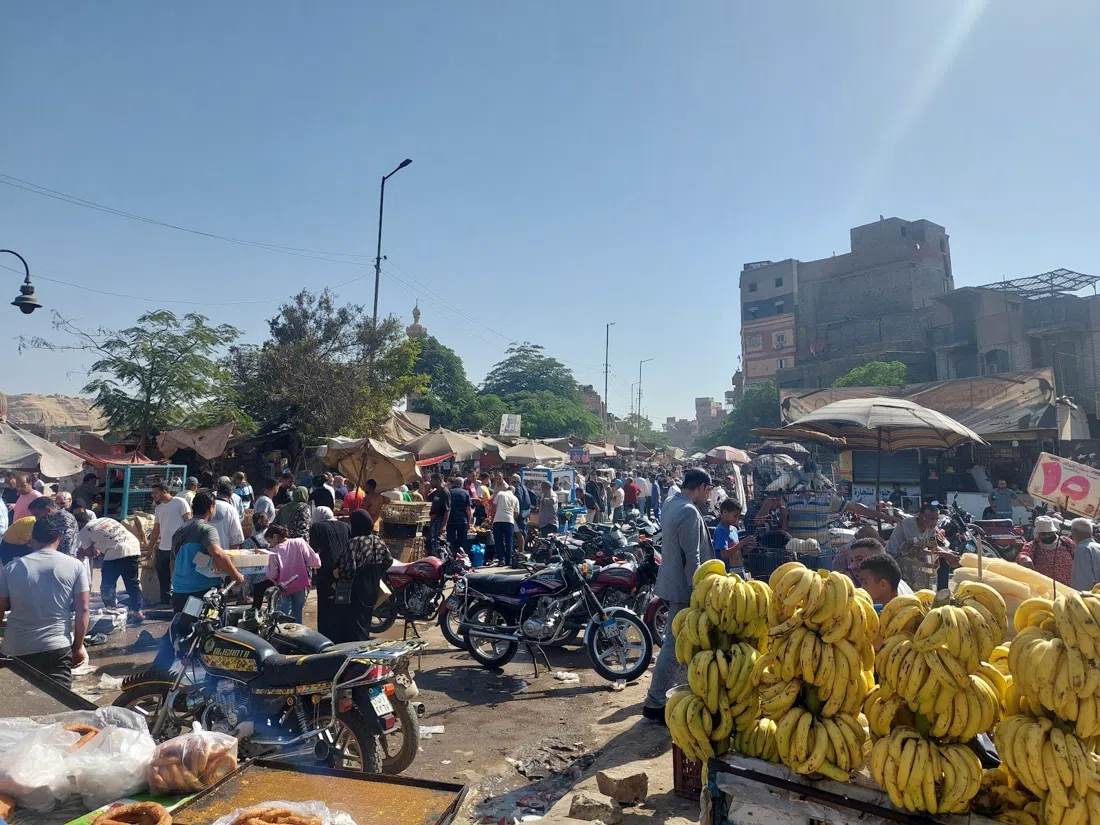
The sport and hobby side of this tradition — as opposed to the food side — plays out weekly at Souq El Gomaa (Friday Market, under El Tonsi Bridge). This is where Cairo's rooftop keepers actually go to buy, sell and trade birds, alongside everything else that changes hands at a general Friday flea market: tools, spare parts, the odd stray dog. It's loud, chaotic, entirely unstaged for tourists, and free to browse. Pigeons here range from a few EGP for an ordinary bird to several hundred for a proven racer — prices are negotiated on the spot and mean nothing without Arabic, so this is a place to bring a guide who can actually translate the haggling rather than just narrate it. The market runs roughly 8am to 2pm; go early, both for the best trading activity and because by early afternoon the heat and the crowd both get hard to manage. This is not a place that works for polished photography or for anyone uncomfortable in a genuinely dense, unfiltered crowd — but it's the one stop on this list that shows the sport of it, not just the postcard.
From Rooftop to Wedding Table
The reason Cairo still has room for rooftop bird-keepers isn't sentiment — it's that hamam mahshi, stuffed pigeon, is one of the oldest and most consistently demanded dishes in the city, and demand for fresh, live birds hasn't gone anywhere in three thousand years. Pigeon-keeping in Egypt traces back to pharaonic tomb paintings; what's changed is mostly the building material of the towers, not the practice. A bird destined for the table is typically stuffed with freekeh (a smoky cracked green wheat) or plain rice, seasoned with onion, garlic and a mix that varies by kitchen, then either grilled over charcoal or deep-fried whole. The two textures matter when choosing where to eat: grilled hamam gives you crisp skin and a drier, smokier bird; fried hamam is richer and more forgiving if the pigeon itself was a touch tougher. Nearly every restaurant on this list serves one or the other as its signature style, and it's worth asking which before you order if you have a preference.
Old Cairo's Hamam Institutions
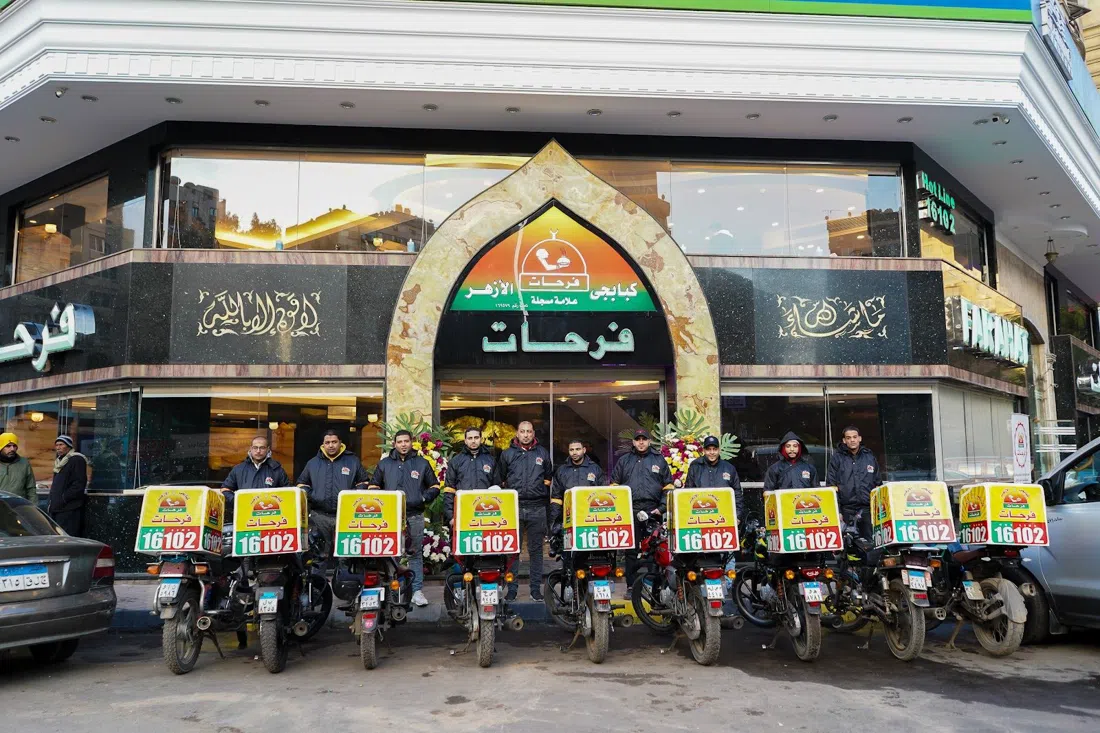
The two most historically anchored spots both sit close to the old city where the towers themselves cluster thickest. Farahat (Kababgy El Azhar Farahat, near Al-Azhar) is one of Cairo's oldest go-to addresses for hamam mahshi, a few minutes' walk from Al-Muizz Street itself — genuinely convenient to combine with the rooftop walk above. It's casual bench seating, no reservations taken at all, and it handles walk-in groups well precisely because there's no booking system to complicate things; you turn up, you queue if it's busy, you sit wherever there's room. Pigeons run roughly EGP 100-200 each, cheap by any standard, and it's grilled rather than fried.
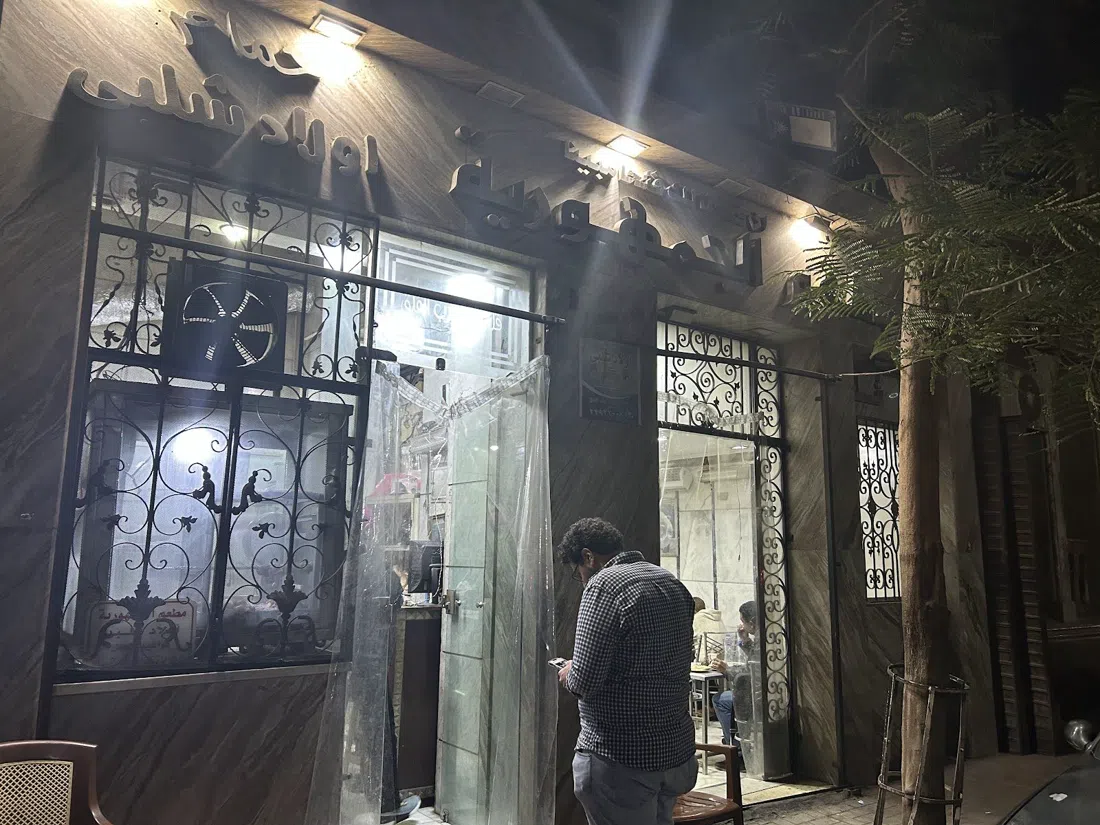
Downtown, El Gomhoureya Restaurant is a plainer, more local proposition — a simple eatery with no pretensions to the tourist trail, and reviewers consistently rate its pigeon above some of the more famous names in the city. It's a genuinely honest pick for a small-to-medium group, priced at roughly EGP 150-300 per pigeon dish. Neither of these two rewards a couple looking for quiet or ambience — both are working kitchens with functional rooms, not restaurants built for atmosphere. Go for the bird, not the room.
The Shubra Circuit
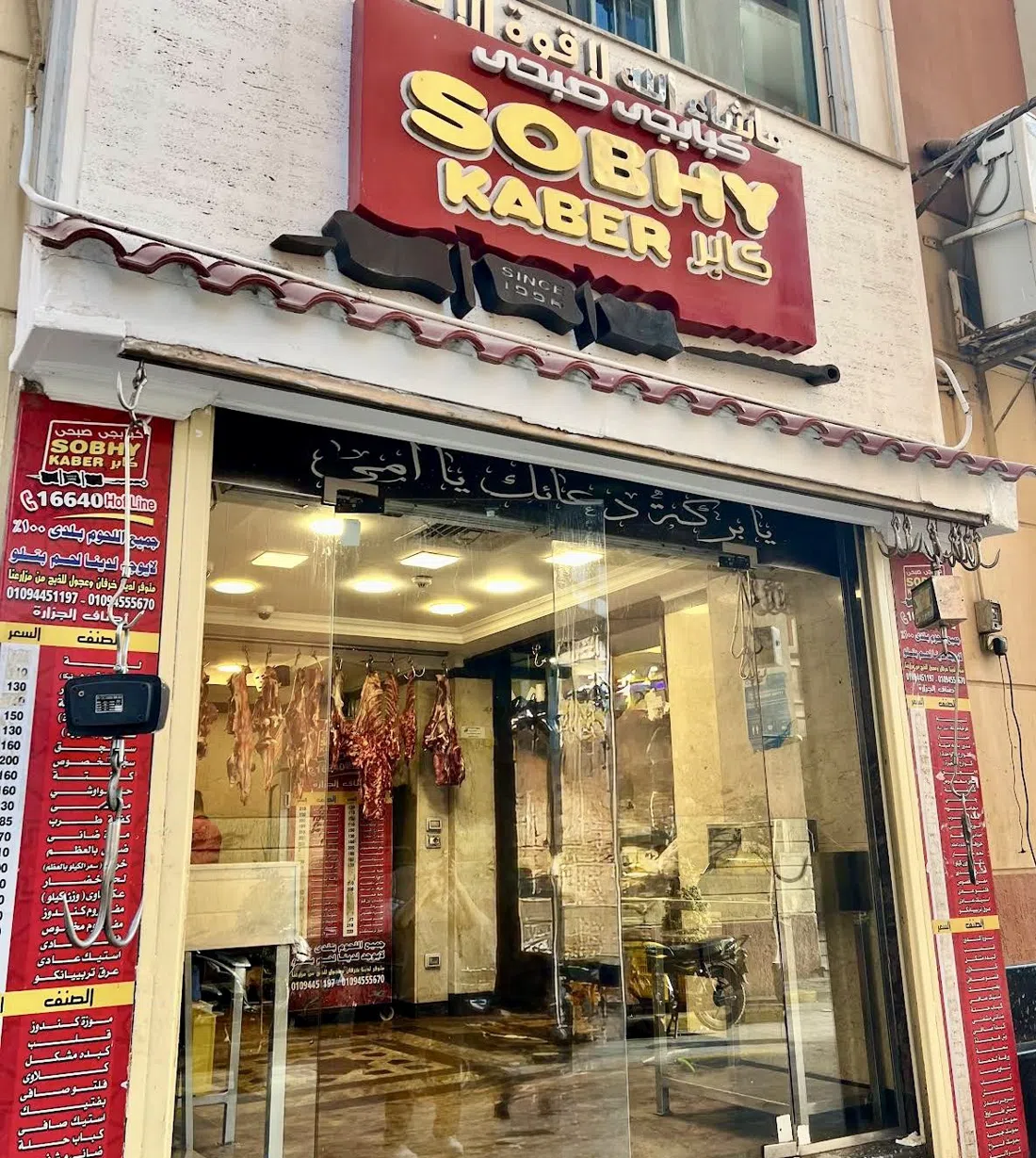
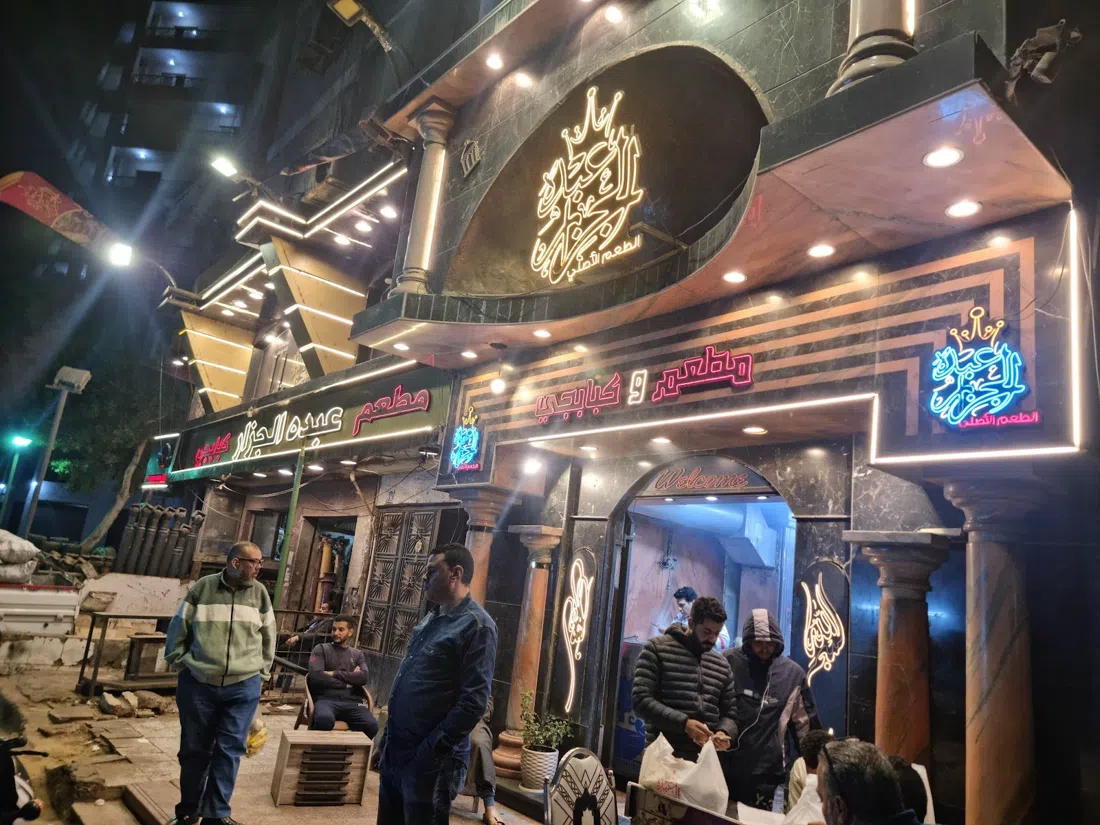
Shubra, north of downtown, is one of Cairo's densest rooftop-coop districts, and it has its own pair of neighbourhood hamam institutions rather than tourist-facing restaurants. Abdo El Gazar is the district's own pigeon spot, small and local, fine for a modest group but not built for anything large — and notably it's deep-fried rather than grilled, a useful contrast if you've already had grilled hamam elsewhere in the city. A short walk or drive away, Sobhy Kaber is another Shubra favourite, informal pavement seating suited to small groups rather than a full party. The obvious way to do Shubra properly is to combine either restaurant with a walk past the neighbourhood's own rooftop coops beforehand — this is a working residential district, not a sight, so keep expectations to what it actually is: real streets, real towers, no polish.
Giza, Nasr City and the Reliable Chains
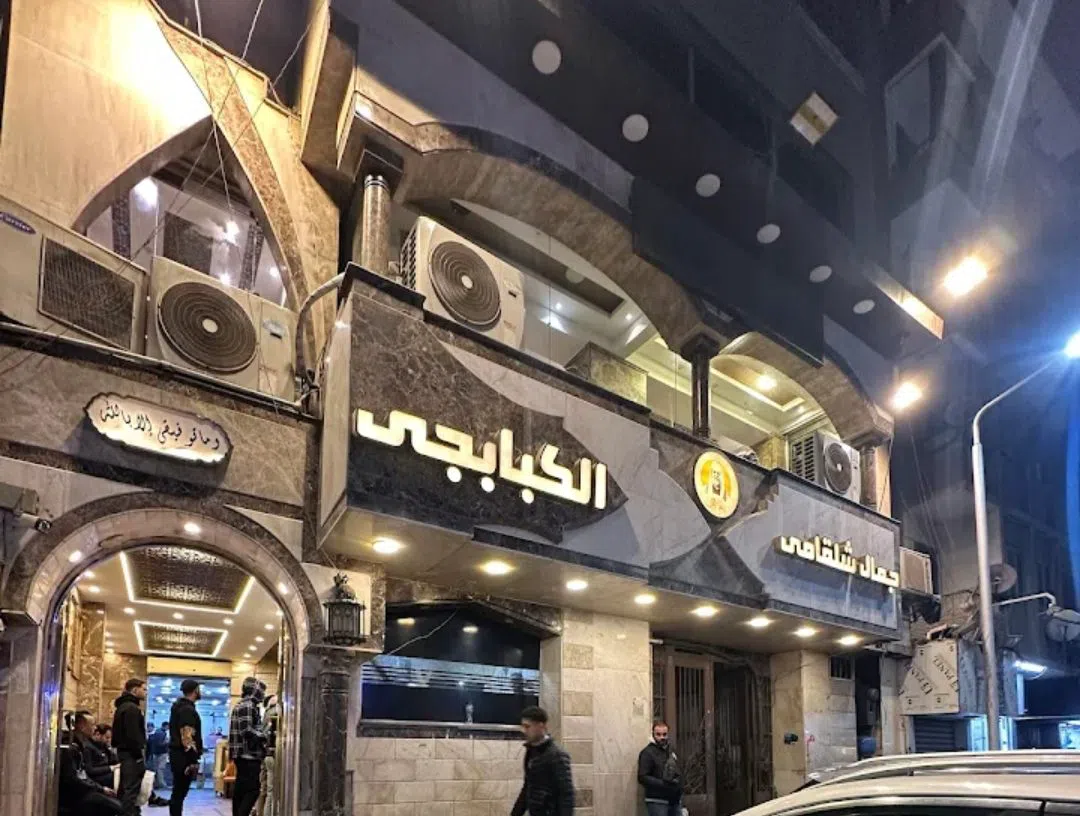
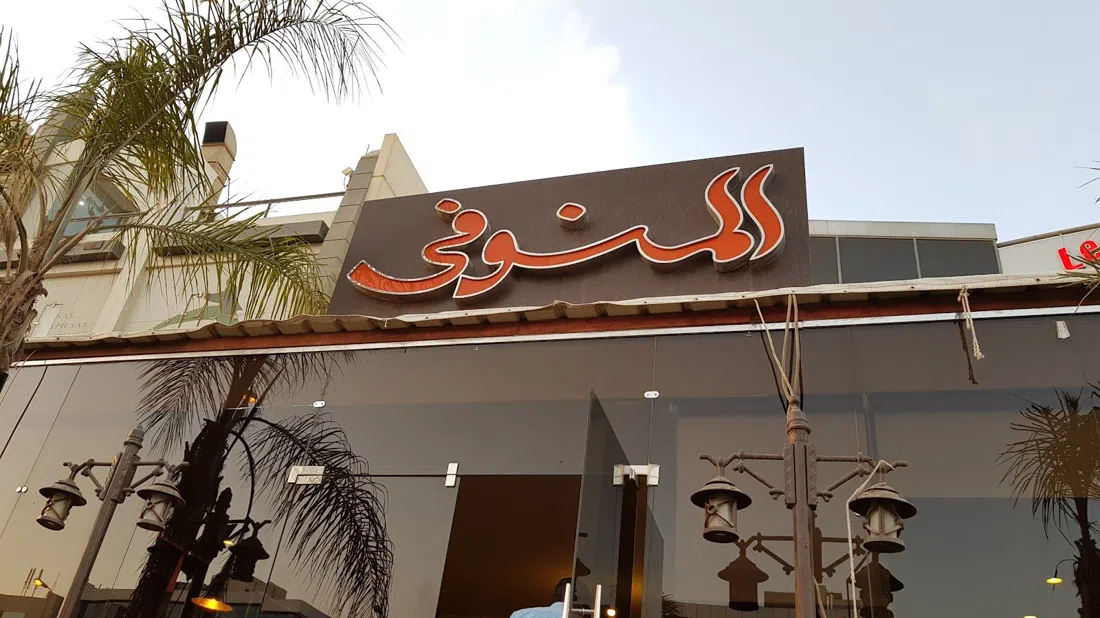
For readers based on the Giza side, near the Pyramids or Cairo University, Kababgy Gamal Shalkamy is the convenient choice — a sizeable dining room built for group bookings, cheap-to-mid pricing, and no need to cross the city for a plate of hamam. El Menoufy El Kababgy has several branches across Giza, 6th of October and Nasr City, all handling groups comfortably at cheap-to-mid prices; what sets it apart is presentation — its pigeon is served over a bed of vermicelli rather than the plain rice used almost everywhere else, worth seeking out if you want to taste the dish done a different way.
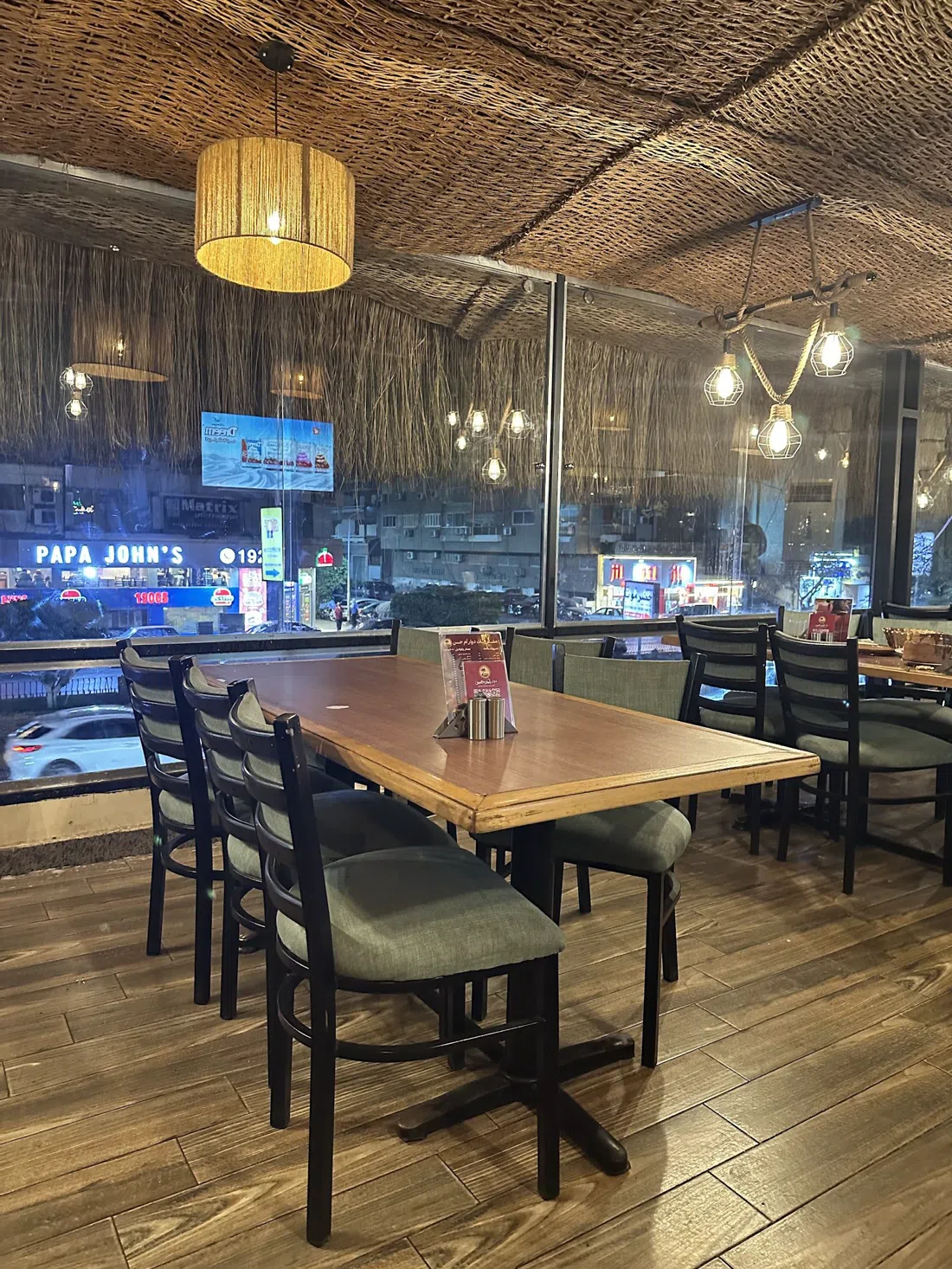
If none of the neighbourhood spots line up with where you're staying, Om Hassan is the fallback worth knowing — a proper chain with branches across Dokki, Maadi, Zamalek and Nasr City, reliable for groups and for delivery, and cheap across the board. It won't be anyone's most memorable meal in Cairo, but it's the one name on this list you can find near almost any hotel in the city, which has real value on a trip built around other things.
Planning the Trip
Transport: Uber and Careem both work well across Cairo and are the easiest way to string these stops together — Shubra, Giza, downtown and the old city are not realistically walkable between each other, only within them. The Cairo Metro's Line 2 serves Shubra directly if you'd rather avoid traffic. Traffic is genuinely bad at most hours, so budget more transfer time than the map distance suggests, especially around Friday prayers when Souq El Gomaa is busiest and streets near mosques get congested.
Cash: Nearly everything here — the market, the neighbourhood hamam spots, park entry — runs on cash in Egyptian pounds. None of the smaller restaurants (Farahat, Abdo El Gazar, Sobhy Kaber) should be assumed to take cards; carry EGP. ATMs are common in central Cairo but sparser in Shubra, so withdraw before heading north.
Timing: Souq El Gomaa only really exists on Fridays, 8am to 2am — sorry, 8am to 2pm — so build the trip around that if the bird market matters to you. Al Azhar Park's terraces are worth timing specifically for sunset. The hamam restaurants themselves are dinner-oriented but open through the day; none of the ones listed here take reservations, so arriving right at opening avoids the wait at the busiest spots.
Budget: This is one of the cheaper food experiences in Cairo relative to its cultural weight — most pigeon dishes run EGP 100-300, meaning a full hamam mahshi meal for two rarely clears the cost of a mid-range lunch elsewhere in the city. The only real spend on this itinerary is Al Azhar Park's entry fee and, optionally, a guided photography walk on Al-Muizz Street. For a base to work from, start with a Cairo hotel search — staying central or in Zamalek keeps you within reasonable reach of both the old city sites and an Om Hassan branch for a fallback night. For the wider trip beyond this tradition, the full Cairo guide covers the rest of the city.