街区美食与饮品酒店活动What's onFAQ探索目的地Dealsrate探索
Cairo's Grand Egyptian Museum and the Pyramids Beyond It

Cairo's Grand Egyptian Museum and the Pyramids Beyond It

How to split a Giza day between the new museum, the plateau's relocated gate and the quieter pyramids to the south.

The Grand Egyptian Museum is built on a low rise about two kilometres from the base of the Great Pyramid, its long stone façade angled so the plateau sits in the frame rather than behind you. That geography is the practical problem every Cairo itinerary now has to solve. The museum and the pyramids are one destination with two halves, each wanting the best part of a day, and the old routine of pyramids before lunch and a museum downtown afterwards no longer fits the ground.

A museum built to face the plateau

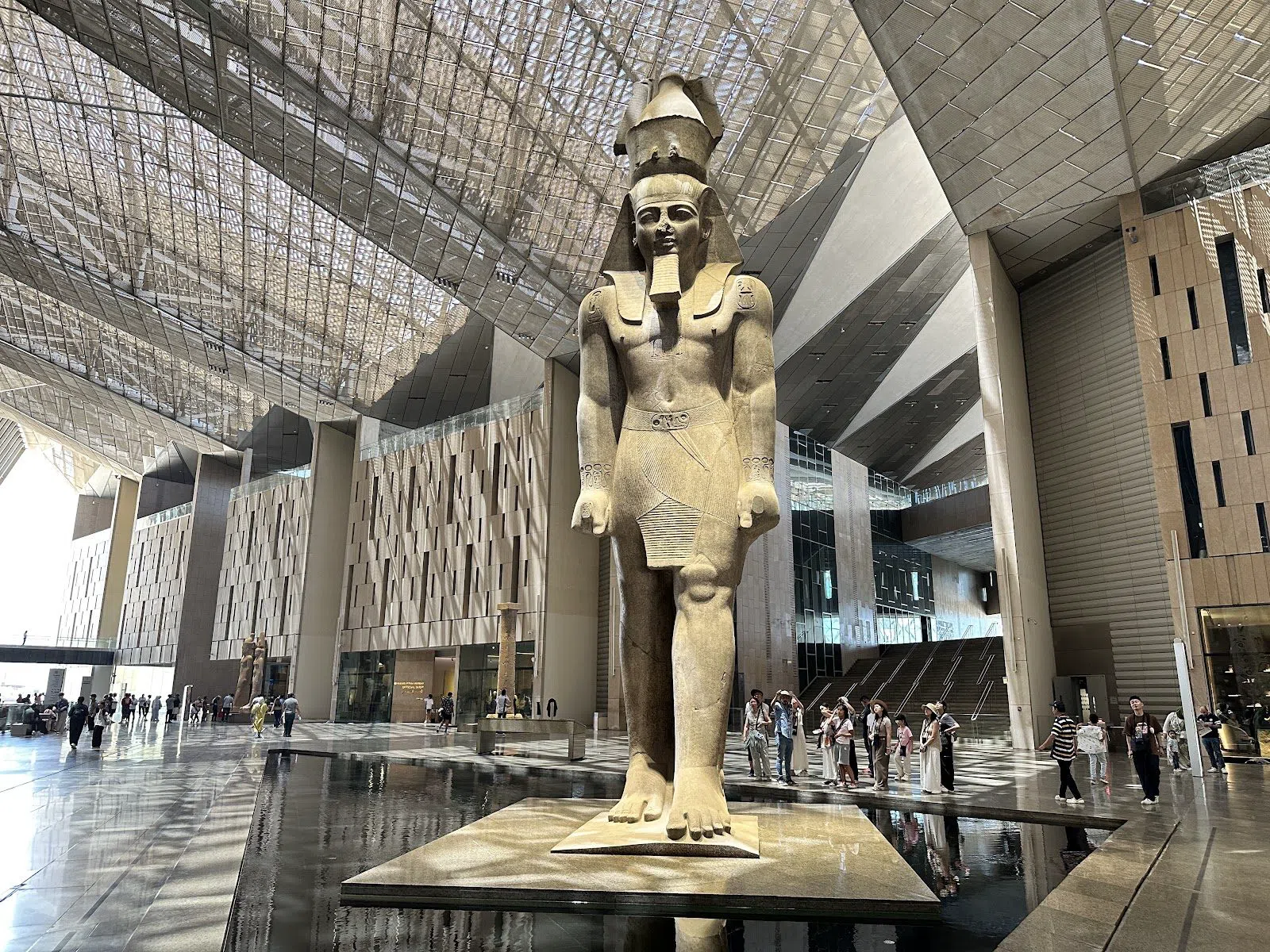
Grand Egyptian Museum (GEM) is in Giza, north of the plateau on the desert road side, and it is why the area now needs two visits or one very long day. All 5,398 objects from the tomb of Tutankhamun are displayed together here for the first time since Howard Carter cleared the burial in 1922: the shrines, the chariots, the beds, the linen, the walking sticks, not just the famous mask and coffins. Seen as one deposit rather than a highlight reel, the collection reads as the inventory of a household, which is a different and better experience than the crowded Tahrir rooms ever offered.

Grand Egyptian Museum (GEM), Cairo

The building rewards a slow route. The Grand Staircase climbs six levels past monumental statuary arranged by period, ending at a window that puts the pyramids at the top of the stairs. The main galleries branch off chronologically, and the ticket also covers the separate Khufu's Boats Museum, which most visitors skip and shouldn't. Budget three to four hours as an absolute minimum. The Tutankhamun galleries alone will take ninety minutes if you read anything at all.

One all-inclusive ticket covers everything: EGP 1,450 for a foreign adult (about USD 29), EGP 730 for students and children aged 6 to 12. Timed booking on visit-gem.com is mandatory for foreign visitors and there are no on-site sales, so turning up and hoping gets you nowhere. Galleries run 09:00 to 18:00, extended to 21:00 on Wednesdays and Saturdays. Those late sessions are the coolest and the quietest of the week, and they are the ones to take if you are two people with a flexible schedule. Groups have their own channel: travel-agency and corporate blocks through [email protected], schools through [email protected], and a slot has to be locked well in advance rather than negotiated at the door.

Reaching the pyramids through the new gate

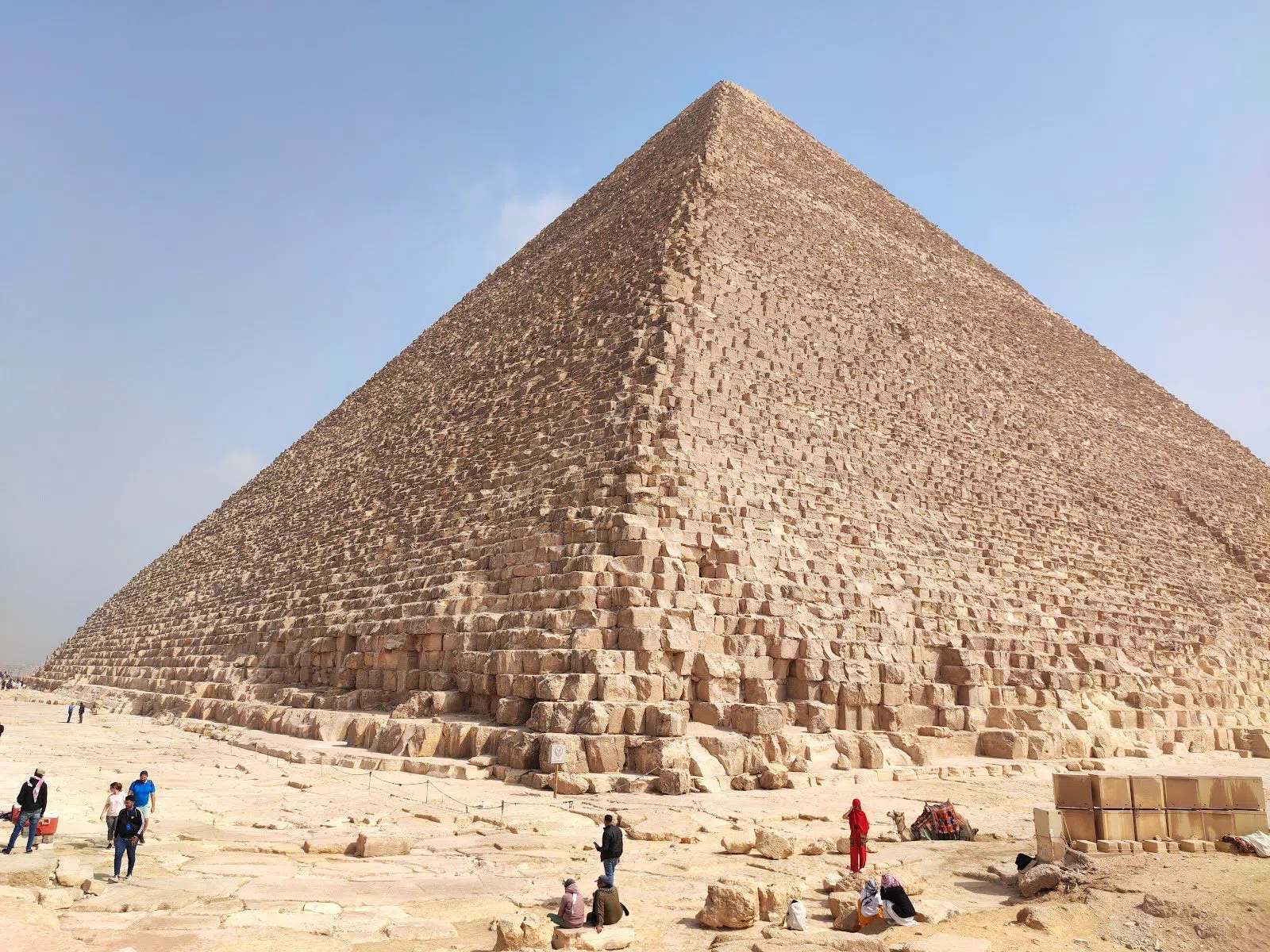
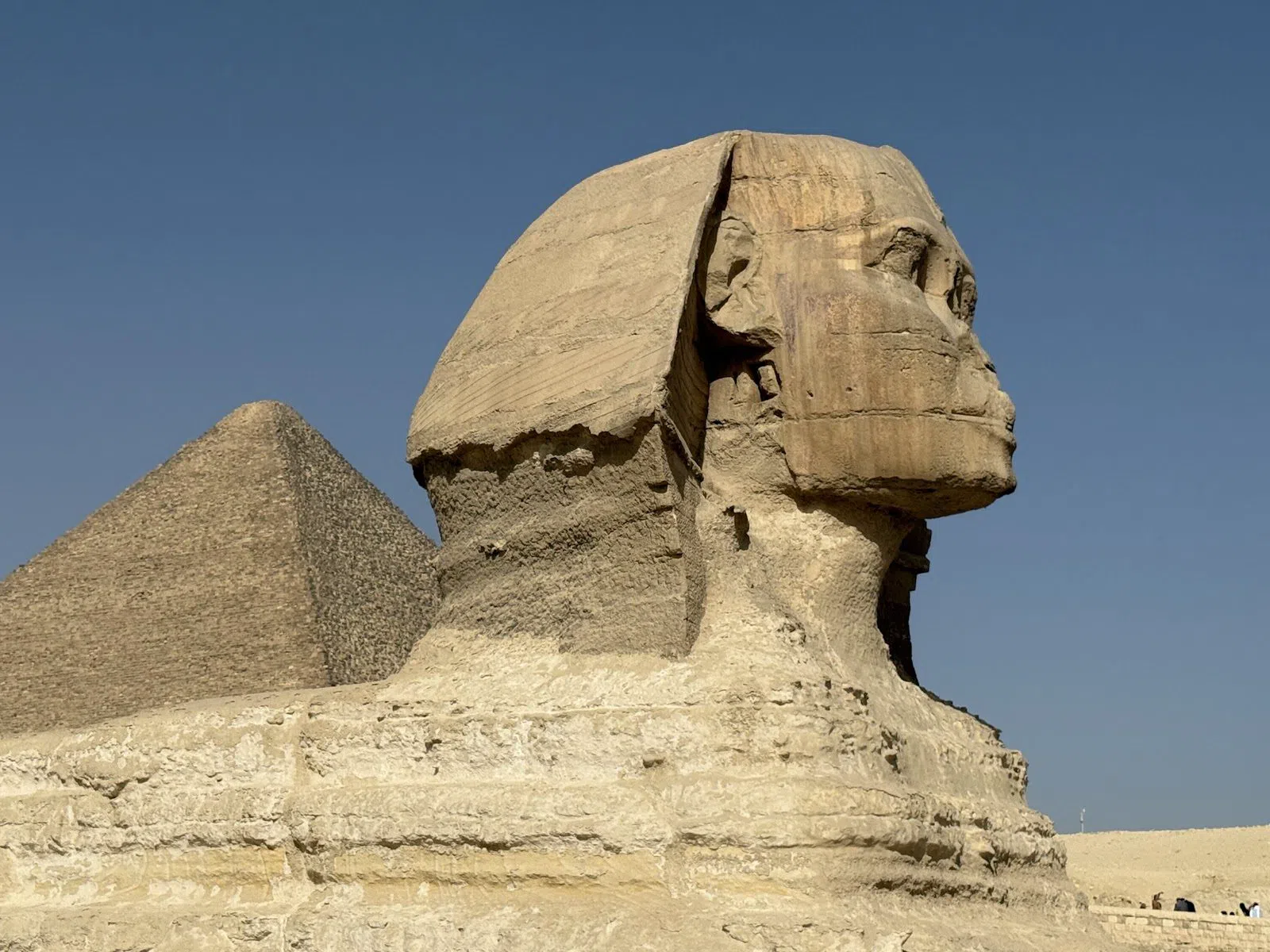
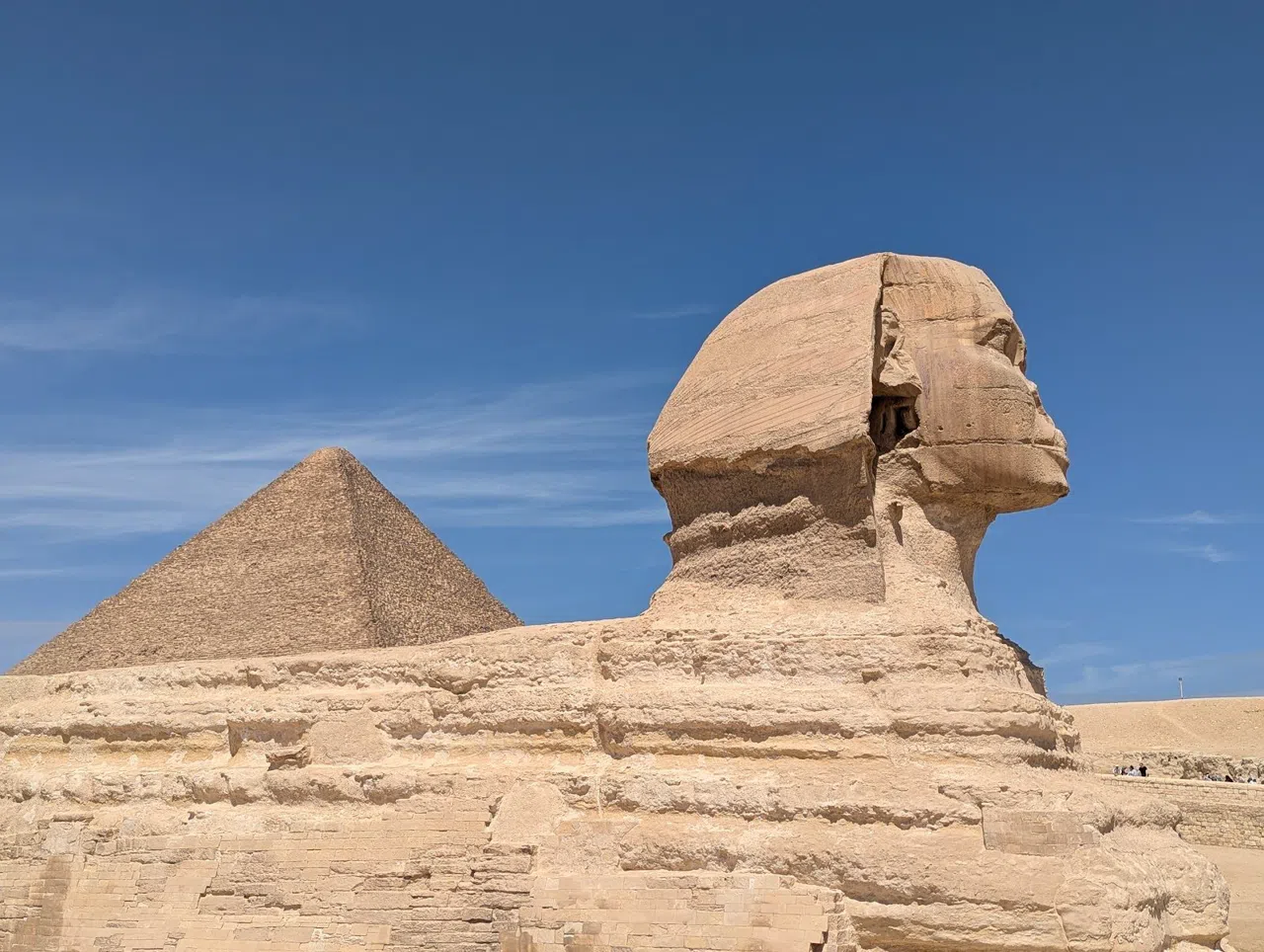
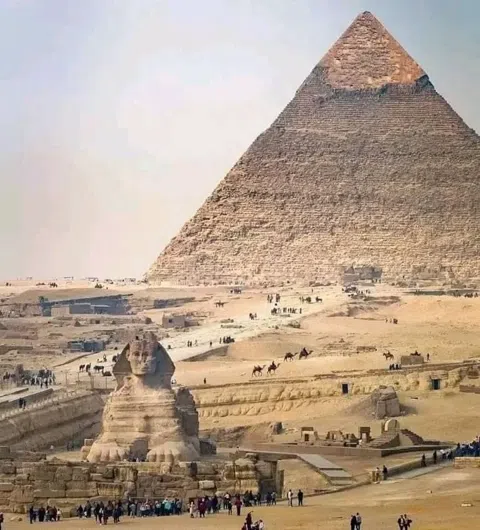
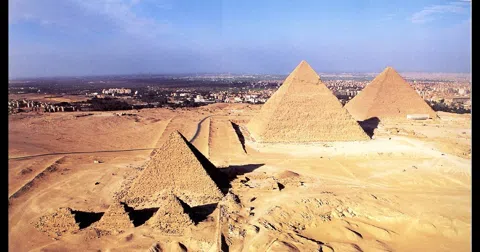
The Giza Pyramid Complex (Khufu, Khafre, Menkaure and the Great Sphinx, on the plateau above Nazlet El-Semman) has changed the way it takes visitors, and this is where old advice does the most damage. Private cars and tour coaches are banned from the plateau. Everyone now enters through the Great Gate visitor centre on the Cairo-Fayoum road and rides free electric shuttles around a loop linking the visitor centre, Menkaure, Khafre, the Panorama viewpoint and the Sphinx zone. The Mena House gate is no longer the main way in. Anyone navigating from a blog post written before the change will be dropped on the wrong side of the site, which on a July afternoon is not a small mistake.

Giza Pyramid Complex (Great Pyramid of Khufu, Khafre, Menkaure and the Great Sphinx), Cairo

Plateau entry is EGP 700 (about USD 15). Interiors are separate and priced individually: the chamber inside the Great Pyramid runs roughly EGP 900 to 1,500 with a daily cap on numbers, while Khafre and Menkaure are cheaper and rarely sell out. Most gates take card payment only. Be clear about what an interior actually is: a low, hot, airless climb up a cramped passage to a bare granite room. It is a piece of engineering, not a decorated tomb, and there is no shame in sending half your party inside and keeping the rest in the shuttle shelter.

On the loop it is roughly a kilometre of open ground from Khufu to Menkaure, and the Panorama viewpoint above Menkaure is where the three pyramids line up in profile. The Sphinx sits far below, at the end of Khafre's causeway, so leave it for last and let the shuttle carry you down. There is no shade anywhere on the loop. Go at opening or in the last two hours before closing, and treat midday as unusable from May to September.

Two ways to eat without leaving the site

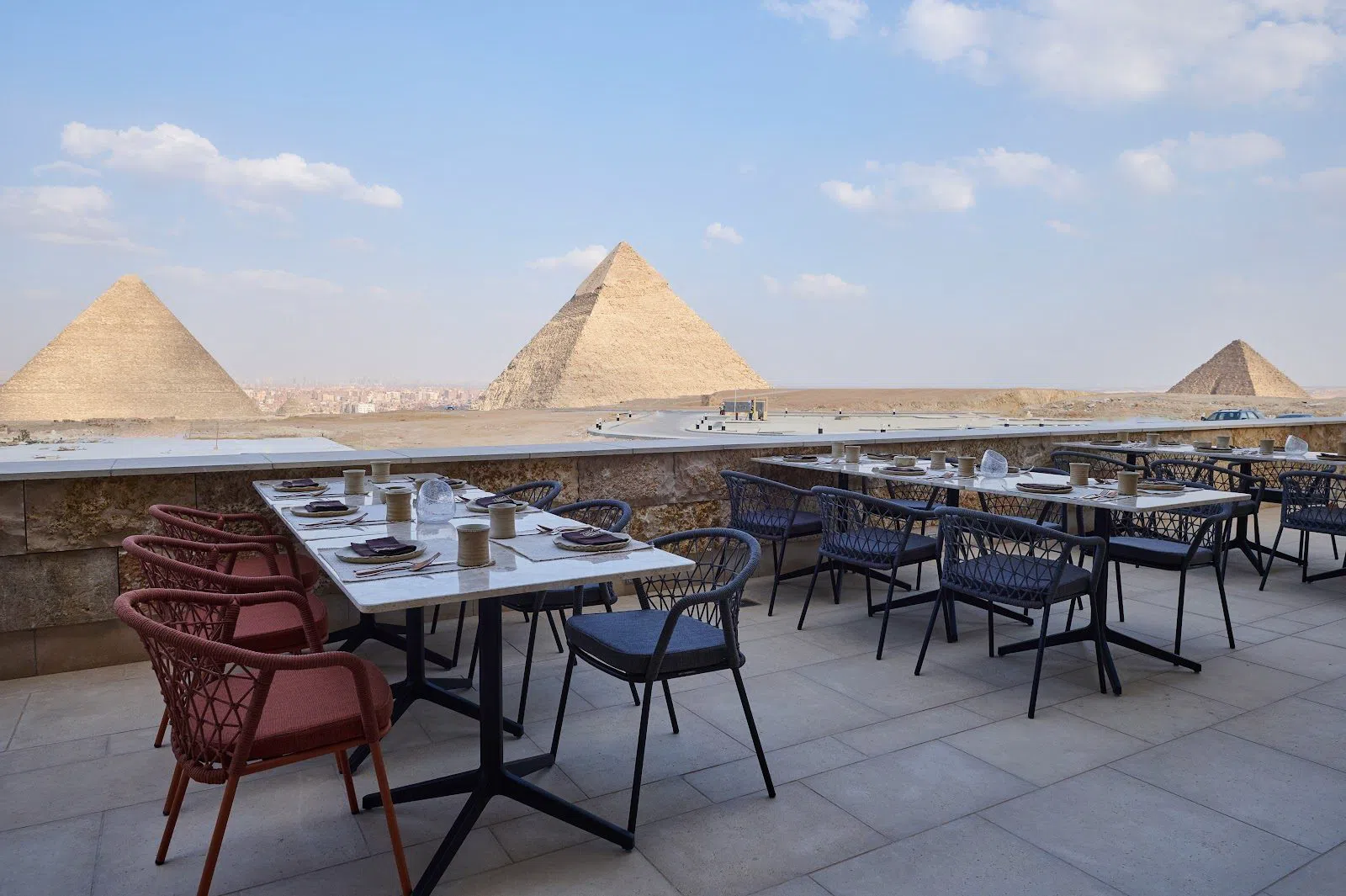
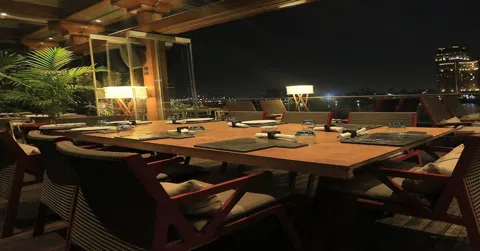
Khufu's (on the plateau, reached by shuttle from the Fayoum Gate) is the rare pyramid-view restaurant that would hold its position without the view. Chef Mostafa Seif's elevated Egyptian cooking has it ranked 4th on the MENA's 50 Best list and 15th on La Liste, and it costs accordingly: roughly USD 60 to 100 a head with the setting priced in. It takes groups and private events, and reservations by phone or through the site are strongly advised. There is a structural catch. Guests still need a valid plateau admission ticket and must come in through the visitor centre and ride the shuttle, so a walk-in without a plateau ticket physically cannot reach the door. It serves breakfast and lunch only, 09:00 to 16:00, with last orders held firmly at 15:00, which means it slots between the plateau and the museum rather than after both.

Khufu's, Cairo

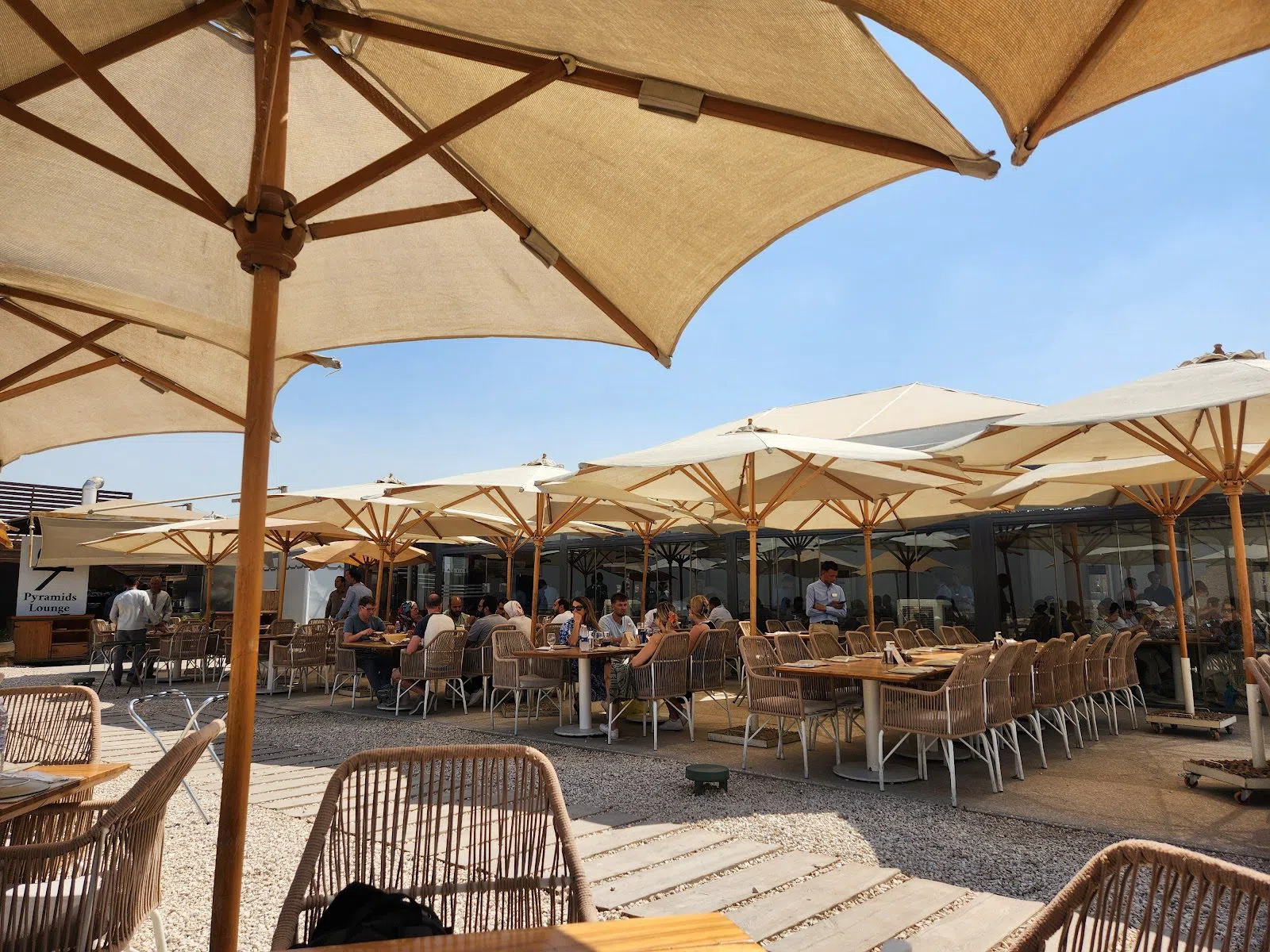
9 Pyramids Lounge (also inside the plateau, on the southern side of the loop) is the mid-range alternative and the default lunch stop on most half-day itineraries. Mezze and grills at well under Khufu's prices, large shaded seating and an events side: it was built for coach parties and handles them without strain. It is also the one spot where all nine pyramids of the plateau line up in a single view. Open 09:00 to 17:00, phone booking on 01110788866 or 01116999339. Think of it as a shade-and-water break in the middle of a walking loop rather than a destination meal.

9 Pyramids Lounge, Cairo

The monuments after dark

Pyramids Sound and Light Show runs from tiered open-air seating at Abu Alhol Square in Nazlet El-Semman, below the Sphinx. The script and staging are dated, and the narration has not moved on much in decades, but it is the only legitimate way to see the monuments lit at night, and it lands at the hour the heat finally breaks. Tickets are around USD 20 for adults and USD 11 for children aged 6 to 12, booked on the official site by date, language and seat count. Languages rotate session by session, so a group needs to pick the sitting that matches, not just the evening. Sessions start around 19:00 from October to April and 19:30 from May to September, later during Ramadan.

Pyramids Sound and Light Show, Cairo

The older pyramids south of Giza

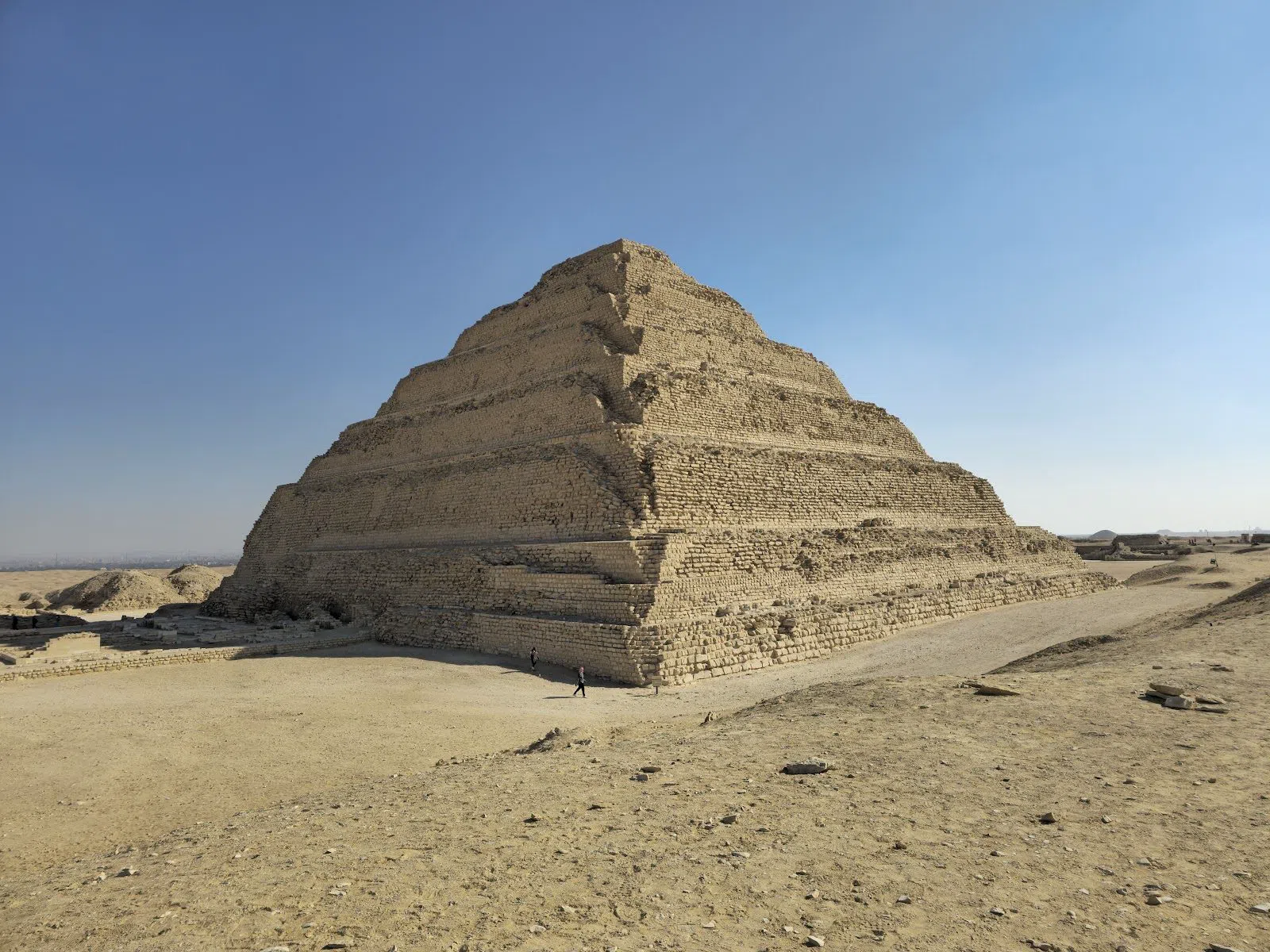
Giza is the fourth-dynasty peak, not the beginning, and the road south fills in both ends of the story. Saqqara Necropolis (Saqqara, about 30 km south of the plateau) holds Djoser's Step Pyramid, the oldest stone building in the world, along with the Pyramid of Unas, the Imhotep Museum and a set of mastaba tombs whose painted reliefs are better preserved than anything at Giza. Entry is about EGP 650 (roughly USD 13) covering the Djoser complex, Unas, the museum and selected mastabas. The Serapeum, the vast galleries cut for the Apis bulls, is around EGP 240 extra and worth it. Open 08:00 to 17:00 from October to April and 07:00 to 19:00 from May to September, and that early summer opening is the single most useful hour on this whole itinerary. The site is wide, takes coaches easily, and a guide earns their fee because the mastabas are essentially unlabelled.

Saqqara Necropolis (Step Pyramid of Djoser, Serapeum and Imhotep Museum), Cairo

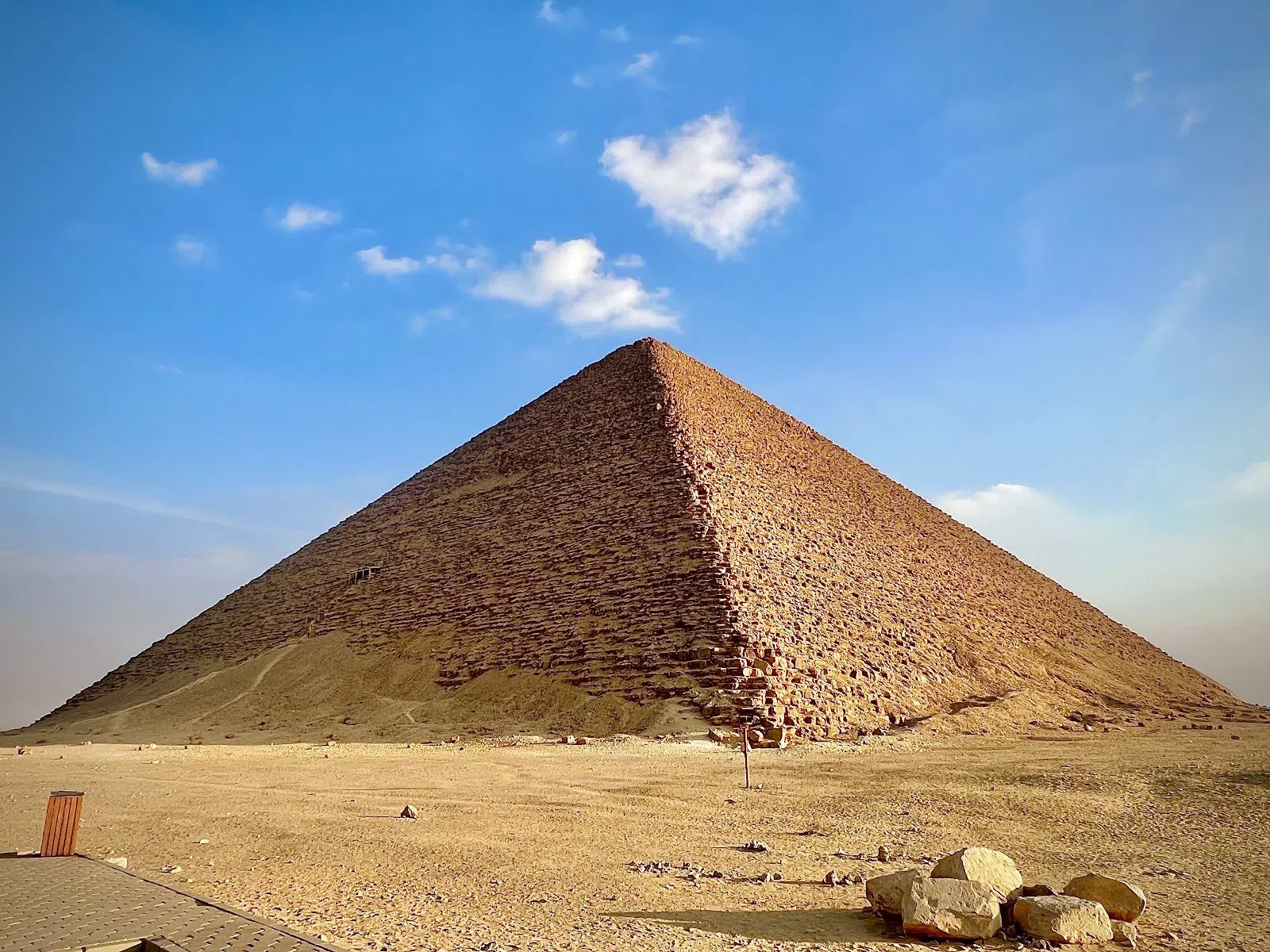
Dahshur (Dahshur, a further 10 km south) is where the design was worked out. The Bent Pyramid changes angle halfway up because the builders lost confidence in the slope, and the Red Pyramid next door is the corrected version and the first true pyramid completed. Entry is about EGP 200 (USD 4) and includes going inside both, usually with no queue and no visitor cap, which makes these the cheapest great pyramids in Egypt by a wide margin. Be honest with your party first: the interiors are steep, hot, low-ceilinged descending shafts, and anyone with bad knees or claustrophobia should wait outside rather than discover the problem forty metres down. Open 08:00 to 17:00 with last entry at 16:00, and 09:00 to 15:00 during Ramadan.

Dahshur (Red Pyramid and Bent Pyramid), Cairo

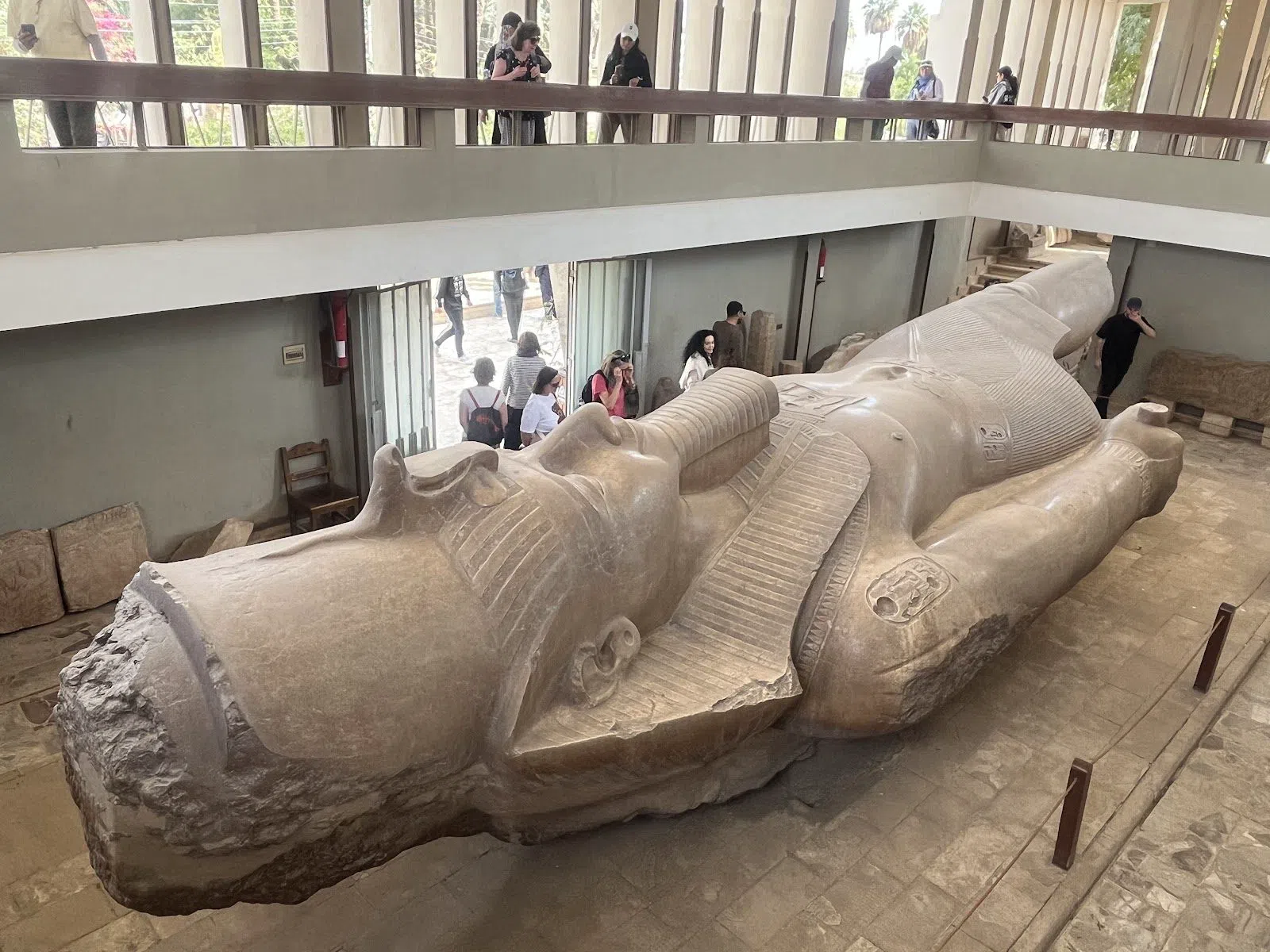
Memphis / Mit Rahina Open-Air Museum (Mit Rahina village, between Saqqara and Dahshur) is the third stop and deliberately the shortest. The first capital of unified Egypt survives as roughly sixty stones in a garden, and 30 to 45 minutes is the right allocation. The reclining colossus of Ramesses II is the reason to stop: an upper walkway brings you level with a face you would otherwise only ever see from its feet. About EGP 200 for adults, EGP 100 for students, open 08:00 to 17:00 daily, and there is little shade beyond the colossus hall.

Memphis / Mit Rahina Open-Air Museum, Cairo

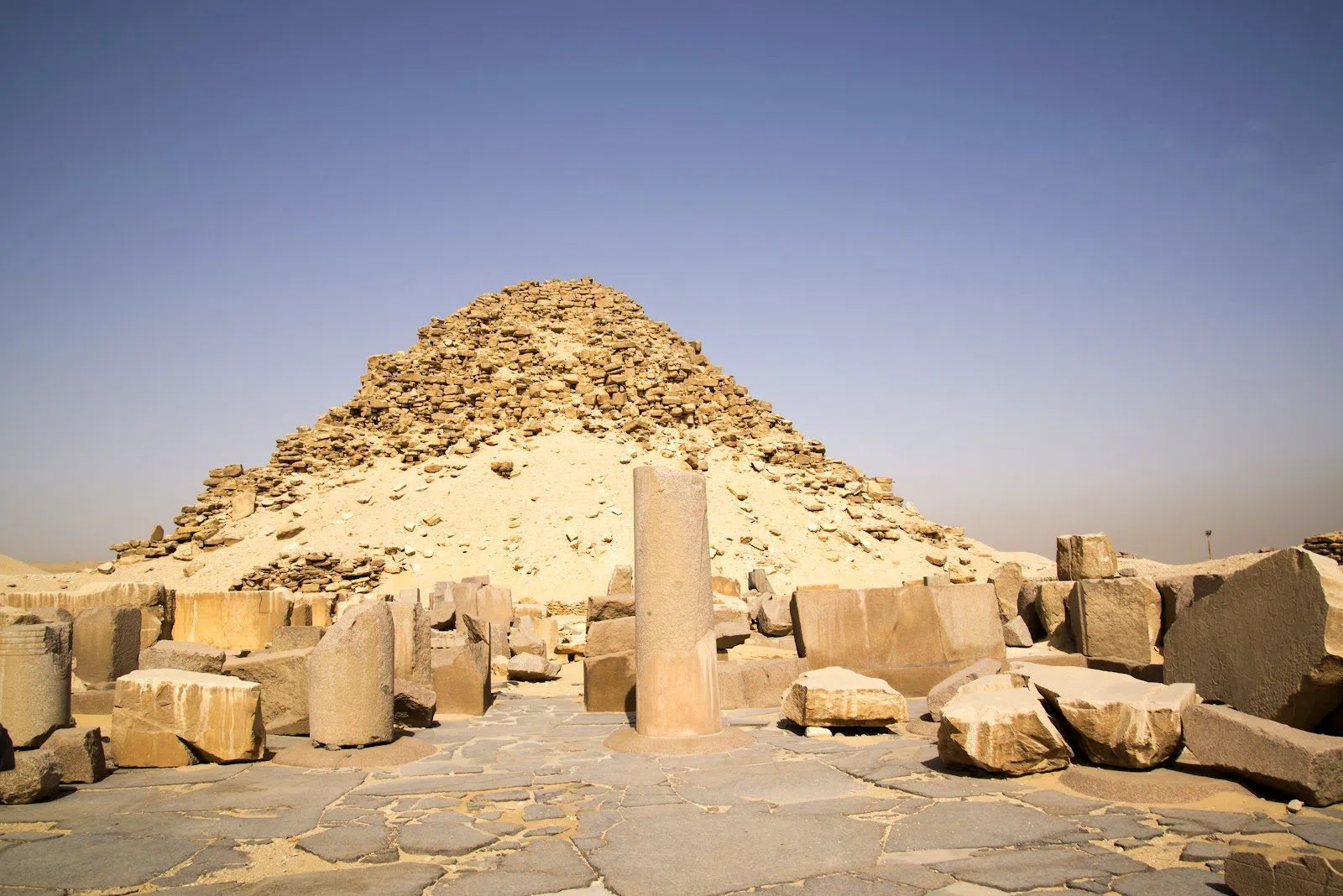
Abusir Necropolis (Abusir, ten minutes off the Saqqara road) is for a second visit or a slow traveller. The ruined fifth-dynasty pyramids here, Sahure's among them, are usually empty of other people. Entry is around USD 10. There are no facilities, no cafe and no shade at all, so keep the stop short, bring water, and treat it as an October-to-April proposition only.

Abusir Necropolis (Pyramid of Sahure), Cairo

A weaving workshop and a properly booked horse

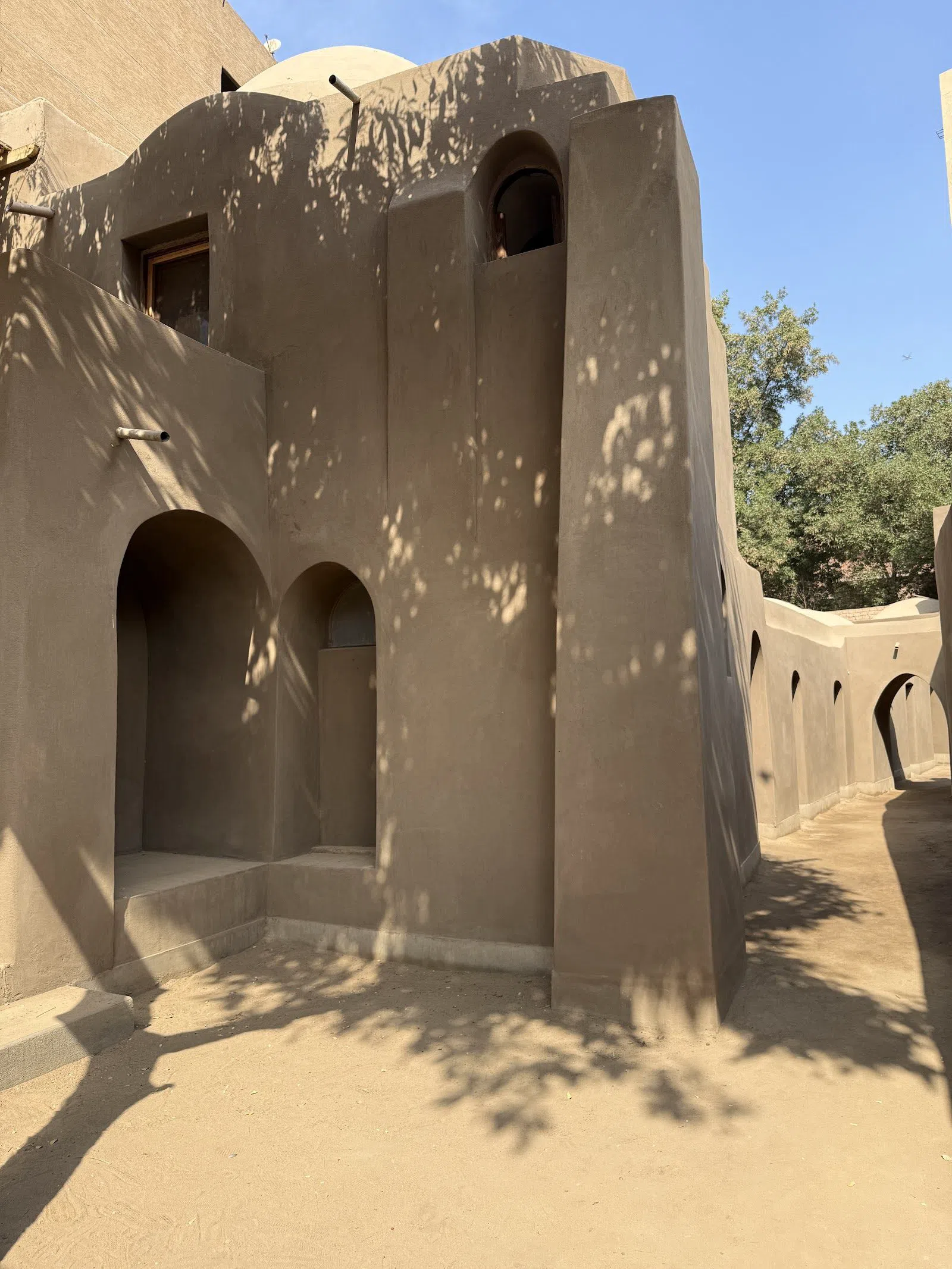
Ramses Wissa Wassef Art Centre (Harrania, twenty minutes from the plateau on the Saqqara road) is the best non-pharaonic hour in Giza. It began in the 1950s as an experiment in teaching village children to weave without copying patterns, and the tapestries that came out of it now hang in museums worldwide. Entry is free. Tapestries, pottery and books are for sale, with the tapestries priced as serious art rather than souvenirs. Open daily 10:00 to 16:00, but Mondays are by appointment only, which regularly catches groups out. The studios are small, so spread a large party across the buildings rather than moving as one block. It is also the only shaded garden on this list that costs nothing to sit in.

Ramses Wissa Wassef Art Centre, Cairo

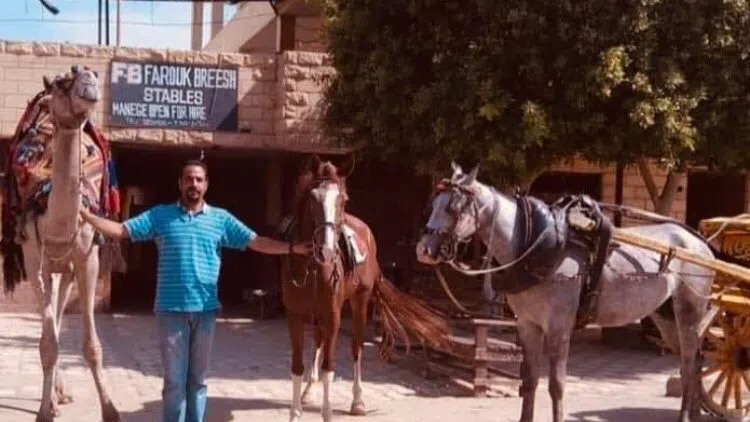
If someone in your party wants to ride, book FB Stables (Giza, near the plateau) ahead by name. The touts working the plateau perimeter are the most reliable way to ruin a Giza day, and the animals they offer are often in poor condition. FB is family-run, long used by Cairo expatriates, embassy staff and several four- and five-star hotels, takes mixed abilities with guides riding along, and charges roughly USD 30 to 80 an hour depending on horse and guide. Ride at sunrise or sunset. Midday is unfair on the horse and miserable on you.

FB Stables, Cairo

The two museums the new one did not empty

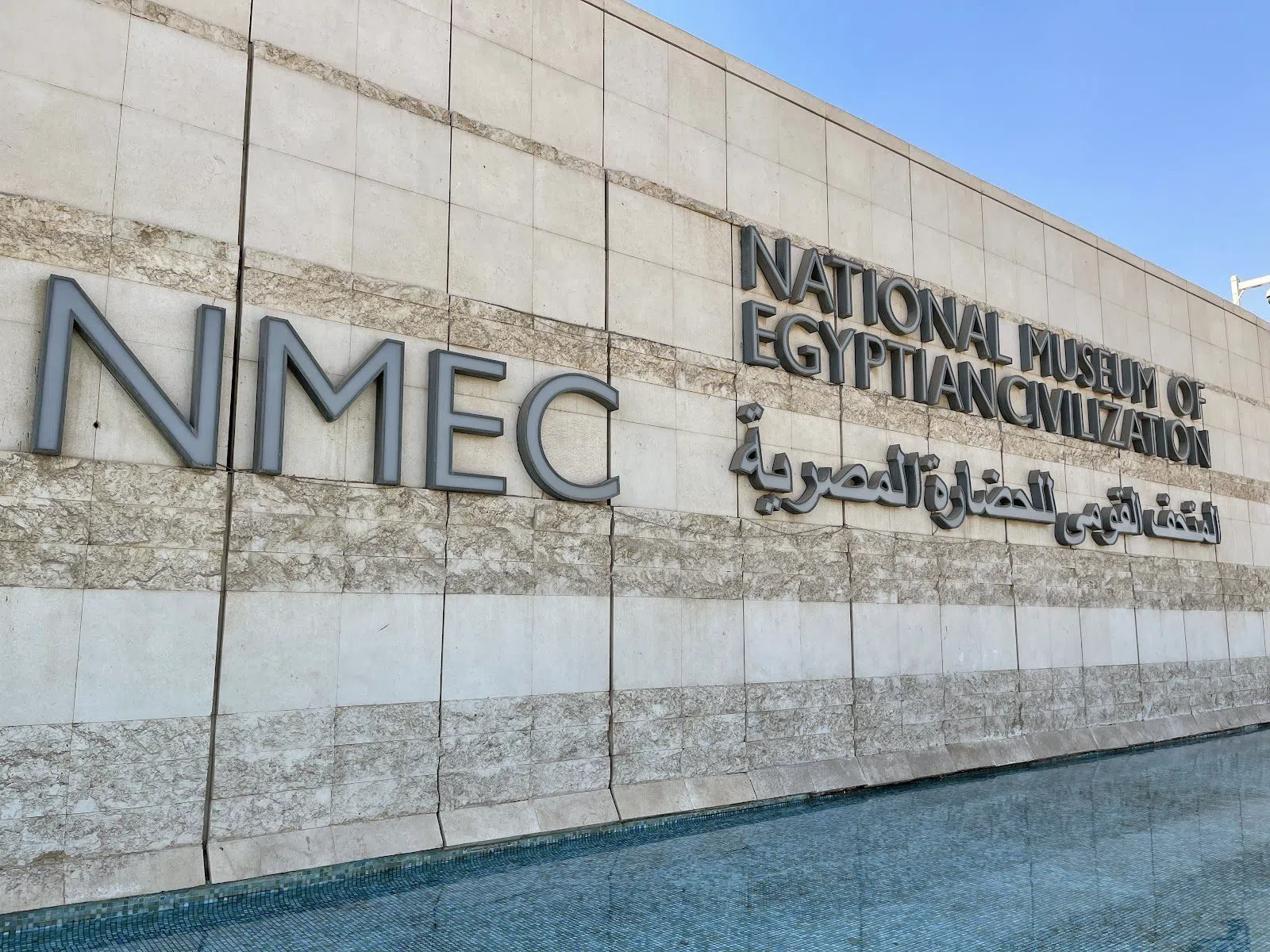
A persistent assumption is that everything moved to Giza. It did not. National Museum of Egyptian Civilization (NMEC) in Fustat, Old Cairo, has held the royal mummies since they were moved from Tahrir in 2021, and this is their permanent home. The GEM does not have them. Ramesses II and Hatshepsut are here, face to face in a deliberately dim hall, and two hours covers the mummies and the main galleries comfortably. There are ticket counters on site plus advance online booking, with guided options in English and Arabic. Book ahead in peak season.

National Museum of Egyptian Civilization (NMEC), Cairo

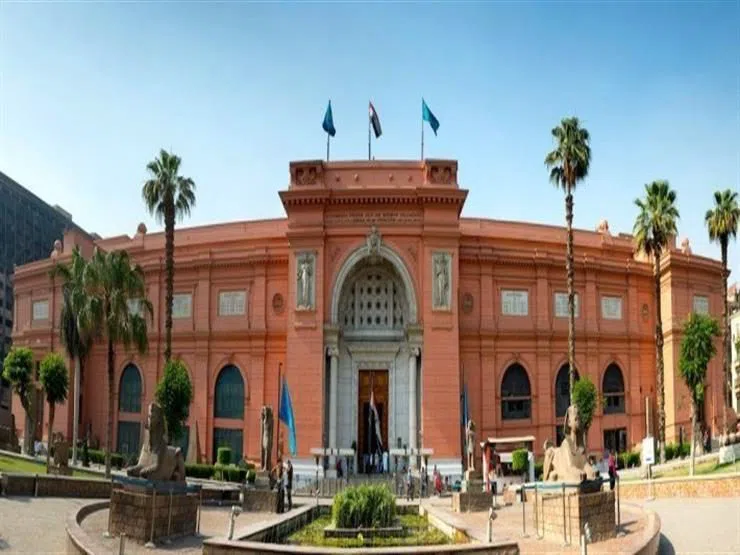
The Egyptian Museum, Tahrir Square (Downtown) is likewise still open, confirmed to the public at least to 2030, with phased renovation planned for 2027 to 2029 rather than a closure. Tutankhamun has gone to Giza, but the Narmer Palette, the Tanis gold and the intact burial of Yuya and Thuya remain, in halls that are themselves a period piece of 1902 museum-making. The building is narrow, though: a large party will bottleneck at the Narmer Palette and again in the Tanis rooms, so split into twos and threes and agree a meeting point. For a wider run at the rest of the city, the Cairo guide covers what sits beyond Giza.

The Egyptian Museum, Tahrir Square, Cairo

Dinner once the plateau closes

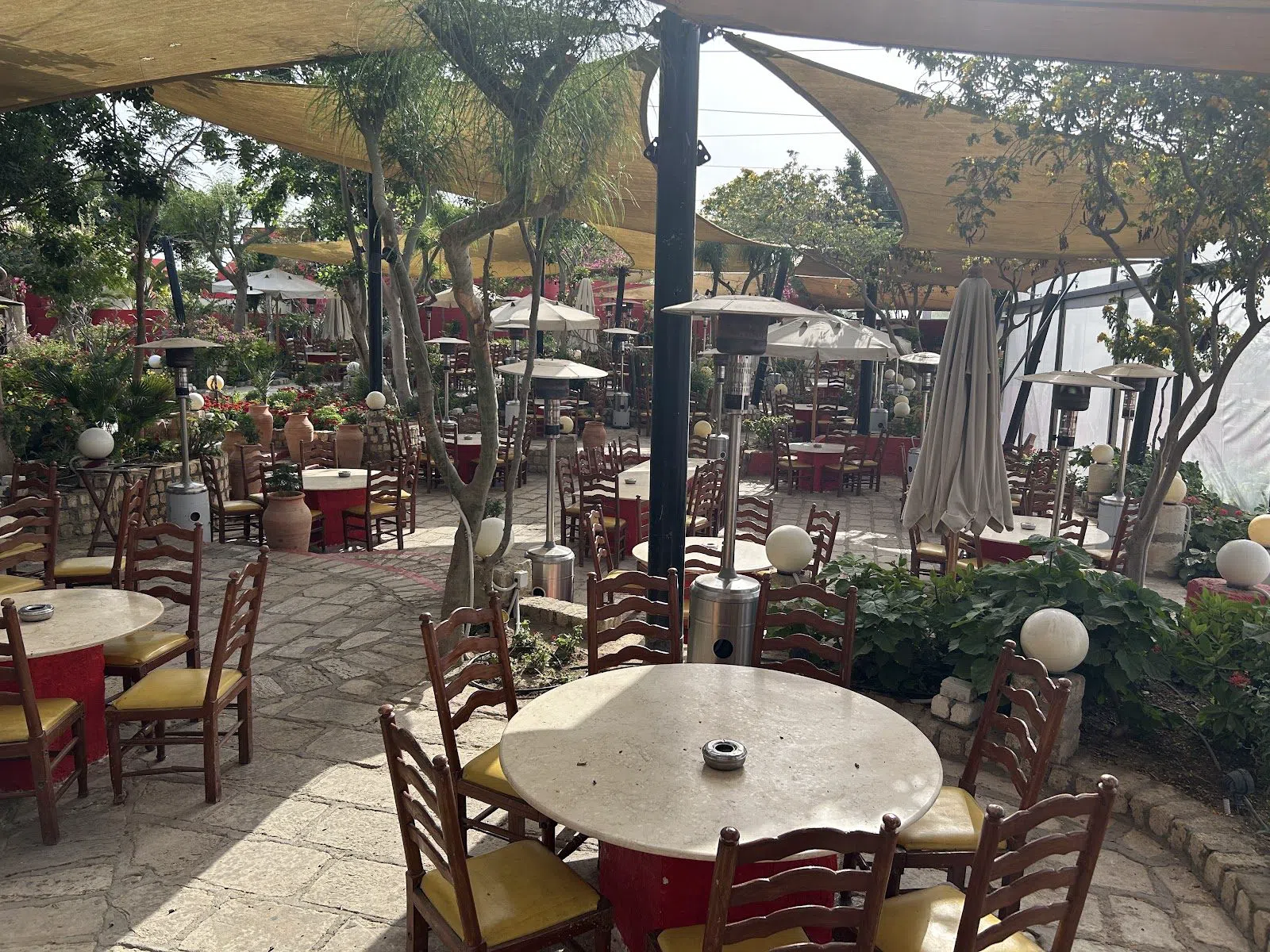
Andrea El Mariouteya (New Giza, off the New Giza road) has been a Cairo family institution since 1958 and is the correct answer to dinner after a plateau day. Charcoal chicken and quail, generous portions, mid-range prices, and big tables treated as the normal booking rather than an inconvenience. This is where multi-generation Cairo families eat on a Friday. Open daily roughly 12:00 to 23:00. Note the address carefully: the operation has run from New Giza since October 2015, and older listings still point at the original site on the Mariouteya canal.

Andrea El Mariouteya, Cairo

Getting around, paying and timing it

Transport is the constraint. Uber and Careem work reliably across Greater Cairo and are the sane way to reach the Great Gate visitor centre, the GEM and Fustat. Both museums and the plateau have drop-off points, and the plateau shuttles are free once you are through the gate. The southern sites (Saqqara, Dahshur, Memphis, Abusir, Harrania) have no useful public transport between them, so hire a car and driver for the day and treat it as a single loop. For Tahrir, Metro Line 1 to Sadat station puts you at the museum door and avoids the worst of the traffic entirely.

Carry both card and cash. Most plateau gates take card only, while the southern sites, the Serapeum supplement, drivers, guides and tips all run on Egyptian pounds. A reasonable one-day budget: EGP 1,450 for the GEM, EGP 700 for the plateau, EGP 900 to 1,500 if you go inside the Great Pyramid, plus lunch, either mid-range at 9 Pyramids Lounge or USD 60 to 100 a head at Khufu's. The Saqqara day is far cheaper: roughly EGP 1,050 in entries for Saqqara, Dahshur and Memphis combined, plus the car.

On timing, October to April is the workable season. From May to September, plan around the heat rather than through it: plateau at opening, museum in the air-conditioned middle of the day, the late GEM sessions on Wednesday and Saturday, and the show at dusk. Ramadan shifts nearly every opening hour on this list, so re-check before you go. Staying on the Giza side puts you within fifteen minutes of both the museum and the Great Gate, while a downtown base is better for Tahrir, Fustat and evenings; the Cairo hotel search is the place to weigh that trade-off. Two full days covers the museum and the plateau properly. Three lets you add the southern pyramids without rushing any of it.

Good to know

FAQs

Do I have to book the Grand Egyptian Museum in advance?

Yes. Foreign visitors must book a timed slot on visit-gem.com, and nothing is sold at the gate, so walk-ups get turned away. The all-inclusive ticket costs EGP 1,450 for a foreign adult and EGP 730 for students and children aged 6 to 12. Travel agencies and corporate groups book through [email protected], schools through [email protected].

Can I still drive up to the pyramids?

No. Private cars and tour coaches are banned from the plateau. You enter through the Great Gate visitor centre on the Cairo-Fayoum road, then ride the free electric shuttles round the loop: visitor centre, Menkaure, Khafre, the Panorama viewpoint, Sphinx zone. The old Mena House gate is not the main entrance any more, so satnav directions from older sources will put you on the wrong side of the site.

Are the royal mummies at the Grand Egyptian Museum?

They are not. The royal mummies moved from Tahrir to the National Museum of Egyptian Civilization in Fustat in 2021 and they stay there. Ramesses II and Hatshepsut are among them, and the main civilisation galleries are in the same building, so about two hours covers both.

How long do the museum and the plateau take together?

Plan two full days. The Grand Egyptian Museum needs three to four hours at minimum, ninety minutes of that in the Tutankhamun galleries alone, and the plateau loop with one pyramid interior fills a half day by itself. One day works only if you take the plateau at opening and the museum on a Wednesday or Saturday, when it stays open until 21:00.

Is the Egyptian Museum in Tahrir Square worth visiting now?

Yes. It stays open to the public at least to 2030, and the renovation planned for 2027 to 2029 is phased rather than a closure. Tutankhamun has gone to Giza, but the Narmer Palette, the Tanis gold and the Yuya and Thuya burial are still there, in halls that are themselves a period piece.

Keep reading

More from Cairo

  1. Cairo Seen from Its Towers, Minarets and RooftopsA dozen places to get above Cairo: a lattice tower, two minaret stairs, a hilltop park, five river rooftops and the tables that face the pyramids, with what each costs, when it opens and who it suits.
  2. Eating Cairo from the Koshary Counter to the Juice WindowOne day of eating in Cairo, beginning at the morning foul counters and ending at a mango juice window, with the price, the queue and the door to expect at every stop.
  3. Three Days in Cairo at a Walking PaceA workable first-visit plan for Cairo, built around one anchor sight a day, with the opening hours, booking rules and gate changes that catch people out.
  4. How a Shi'a Caliphate Shaped Cairo's Historic CoreA myth-vs-reality walk through the mosques, gates and shrines the Fatimids left behind, and the market and sultan's dynasty that grew over what they lost.

All Cairo articles