
Cairo
Cairo does not ease you in; it hits you with a wall of sound, the scent of exhaust mixed with roasting cumin, and a relentless, hypnotic energy.
Guests & rooms
The Cairo guide
An insider’s read on Cairo
CCairo does not ease you in; it hits you with a wall of sound, the scent of exhaust mixed with roasting cumin, and a relentless, hypnotic energy.
Cairo's identity is defined by its strategic position at the head of the Nile Delta. Founded as Fustat in 641 AD, and later expanded as Al-Qahira ("The Victorious") by the Fatimids in 969 AD, it has been the seat of empires for over a millennium. Its character is deeply syncretic, shaped by Pharaonic heritage, Coptic Christianity, Islamic dynasties, French occupation, British colonialism, and modern Arab nationalism. This layers-upon-layers reality means a single street can contain a Roman fortress wall, a 14th-century mosque, and a 19th-century Parisian-style apartment block.

PLATE ICairo, Egypt

Guides & ideas
The Cairo reading list
Hand-written guides from our editors — itineraries, the best of after dark, where to eat, and what’s genuinely worth your time.
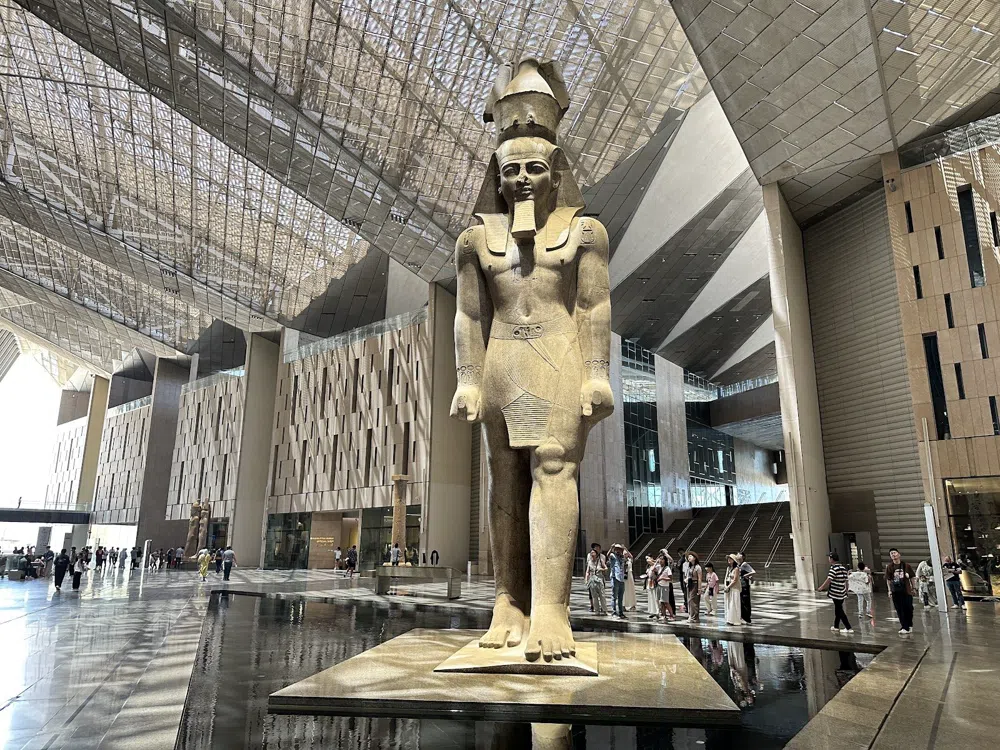
Three Days in Cairo at a Walking Pace
A workable first-visit plan for Cairo, built around one anchor sight a day, with the opening hours, booking rules and gate changes that catch people out.
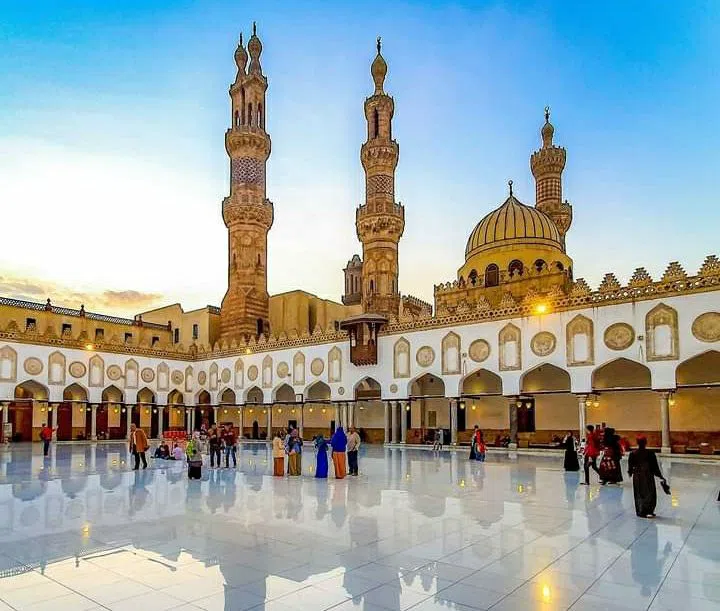
How a Shi'a Caliphate Shaped Cairo's Historic Core
A myth-vs-reality walk through the mosques, gates and shrines the Fatimids left behind, and the market and sultan's dynasty that grew over what they lost.
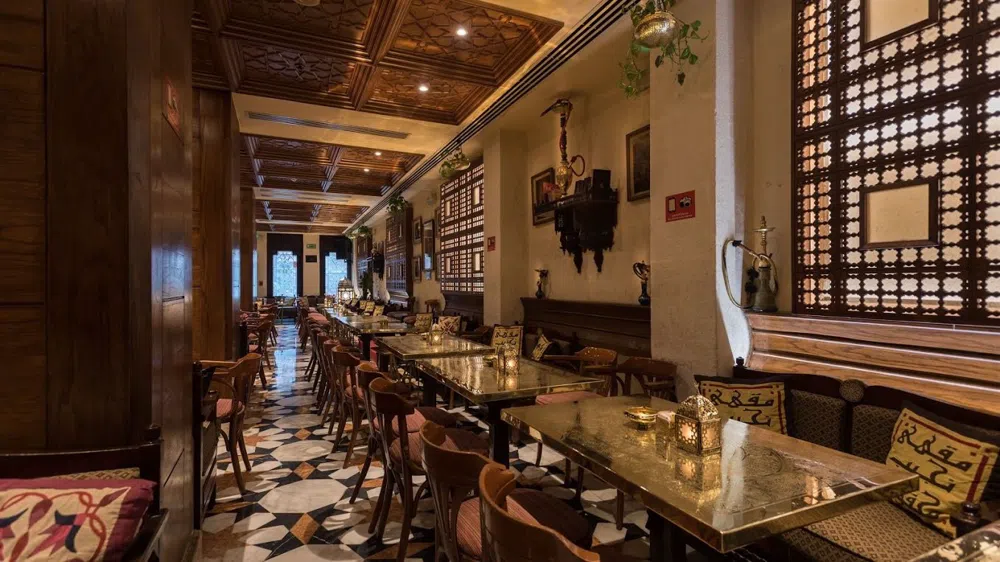
Follow the Cannon Fire: Cairo's Ramadan Iftar Trail
A door-by-door trail through Cairo's Ramadan iftar scene — from a 1773 tea house to a Nile-view splurge — with real prices, booking rules and who each table actually suits.
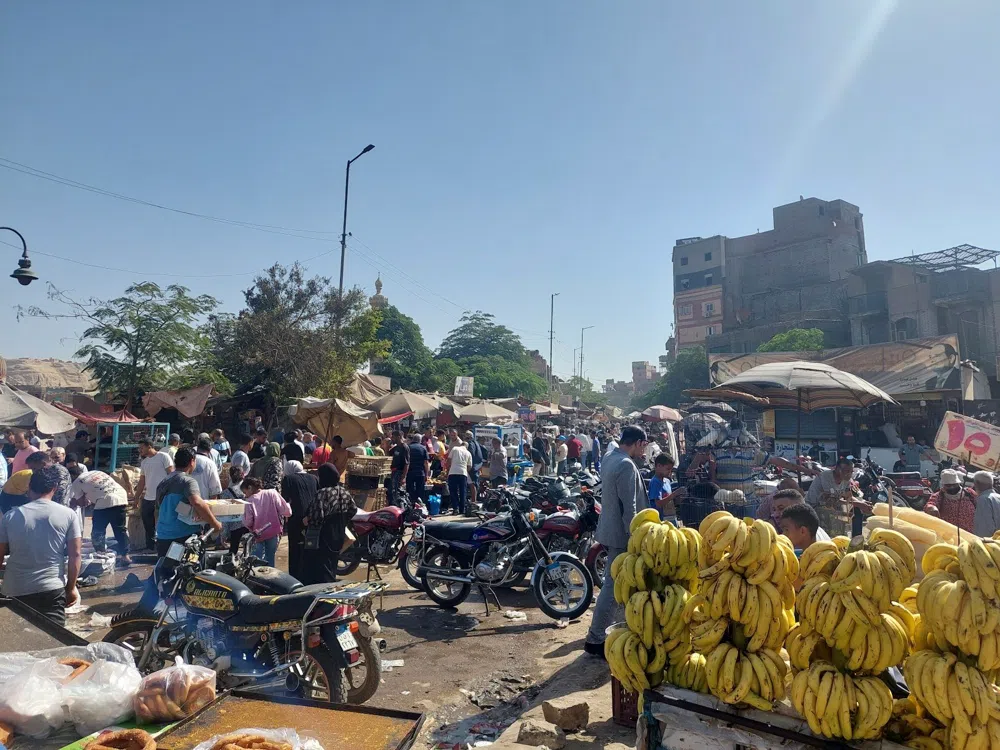
The Pigeon Towers of Cairo: The Rooftop Hamam Tradition
Above Cairo's rooftops, wooden dovecotes still hold working flocks — here's where to watch them fly, where their keepers buy and sell birds, and where hamam mahshi ends up on the plate.
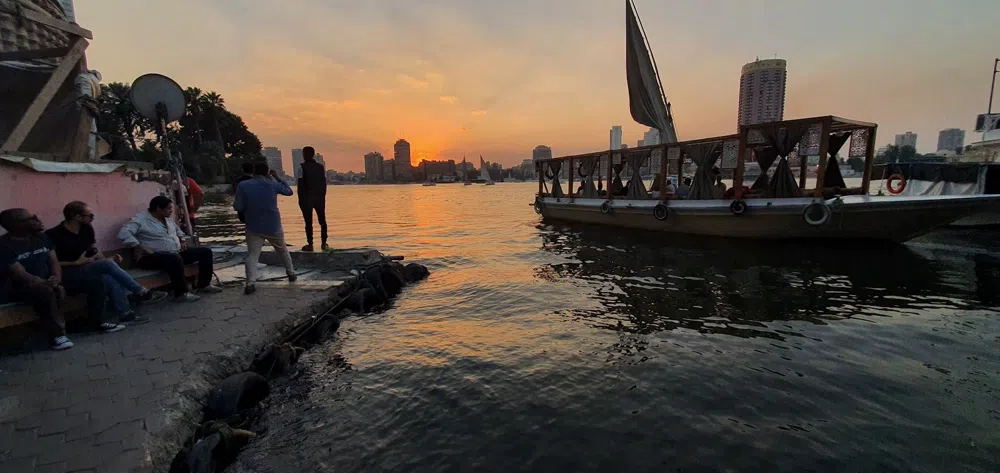
The Nile felucca at dusk — Cairo's lateen-rigged sailboats and the captains who've worked the river for generations
An hour on the water at golden hour, from the flag-it-down Corniche docks to the fixed-price operators and the one crossing that isn't a tourist product at all.
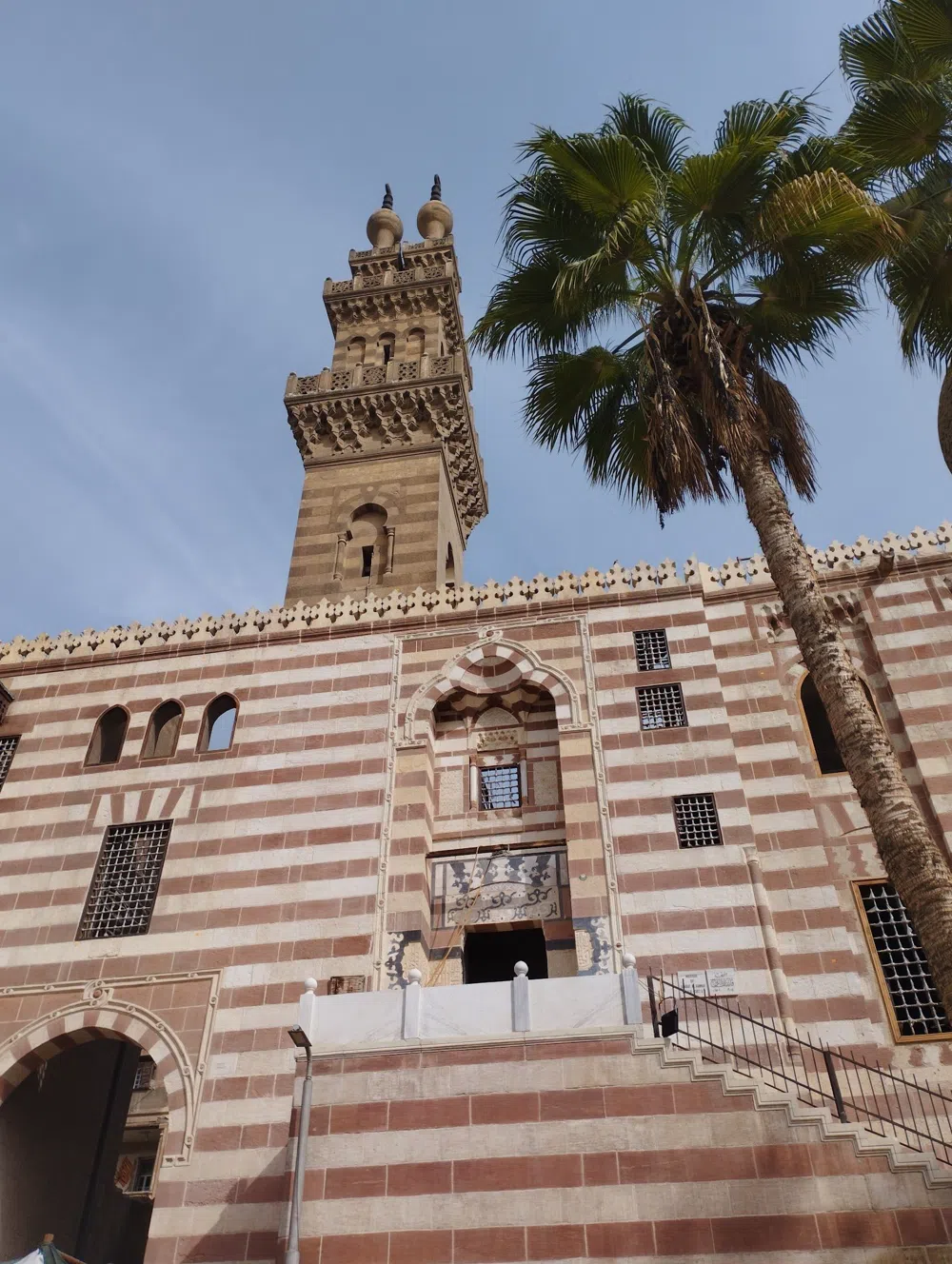
The City of the Dead: Living Among the Tombs in Cairo's Necropolis
Inside Cairo's Northern and Southern Cemeteries, where Mamluk sultans built tombs meant to be lived in - and generations of Cairenes still do.
Where to base yourself
The neighborhoods
01
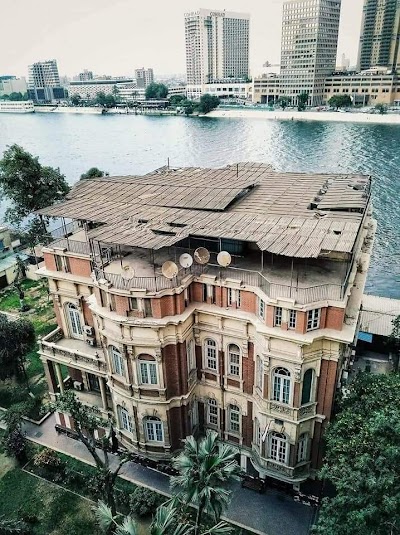
Zamalek
For Those wanting a quieter, greener base; trade-off: expensive and isolated from the metro network.
A leafy island enclave on the Nile. Upscale, quiet, and home to embassies, art galleries, and trendy cafes.
Where to stay — High-end hotels or boutique rentals.
02
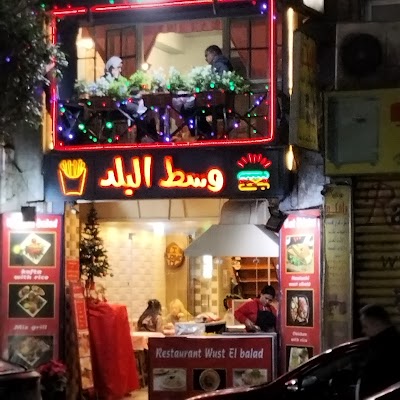
Downtown (Wust El-Balad)
For Budget travelers and history buffs; trade-off: noisy, polluted, and heavy traffic.
19th-century Austro-Hungarian and French architecture. The intellectual heart of the city, filled with bookshops and traditional cafes.
Where to stay — Historic hotels or budget hostels.
03
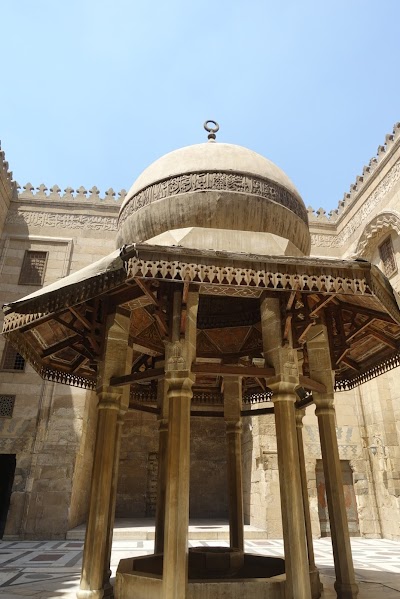
Islamic Cairo
For Cultural purists; trade-off: intense, chaotic, and lacking modern hotels.
The medieval core. Dense, labyrinthine, and filled with historic mosques, madrasas, and markets.
Where to stay — Stay elsewhere and visit, or choose a traditional guesthouse near Al-Muizz Street.
04
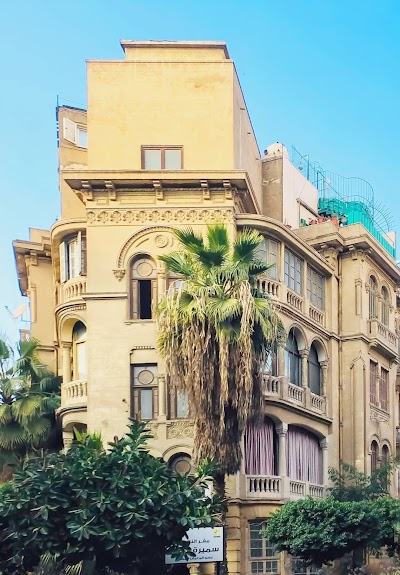
Garden City
For Travelers seeking central quiet; trade-off: limited dining options and heavily policed.
Quiet, wealthy district south of Downtown. Curved streets, grand Art Deco villas, and embassies.
Where to stay — Luxury hotels along the Nile.
05
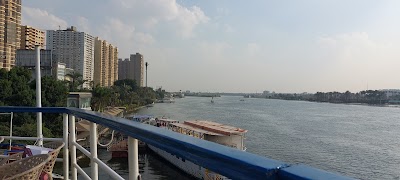
Maadi
For Long-term stays and families; trade-off: far from major historic sights except Coptic Cairo.
Leafy suburban enclave in the south. Popular with expats, quiet, tree-lined streets, and villa architecture.
Where to stay — Boutique hotels or serviced apartments near Road 9.
06
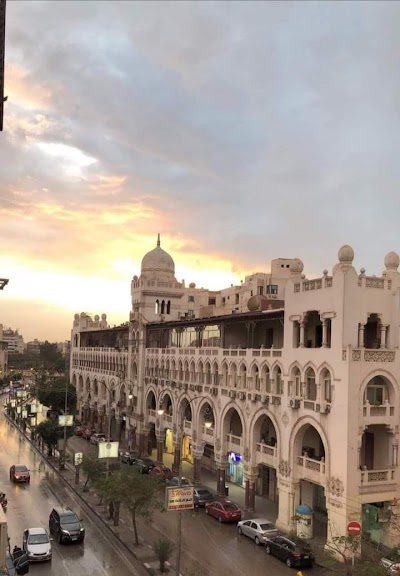
Heliopolis
For Those wanting proximity to the airport and a distinct local vibe; trade-off: far from Giza and Downtown.
Early 20th-century planned suburb with unique Moorish-revival architecture in the Korba district.
Where to stay — Mid-range and luxury business hotels.
07

Giza
For Those obsessed with ancient history; trade-off: chaotic, tourist-trap heavy, and far from central Cairo's nightlife.
West bank of the Nile. Home to the Pyramids and the Grand Egyptian Museum.
Where to stay — Historic luxury hotels or pyramid-view guesthouses.
08
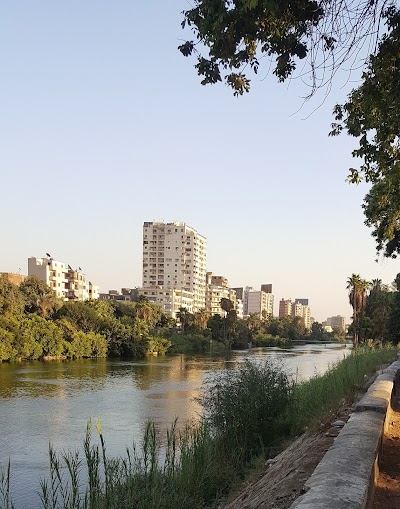
Coptic Cairo
For History and religious heritage enthusiasts; trade-off: very quiet at night with limited accommodation.
Quiet, walled Christian enclave. Ancient churches and narrow stone alleyways.
Where to stay — Stay in nearby Garden City or Downtown.
09
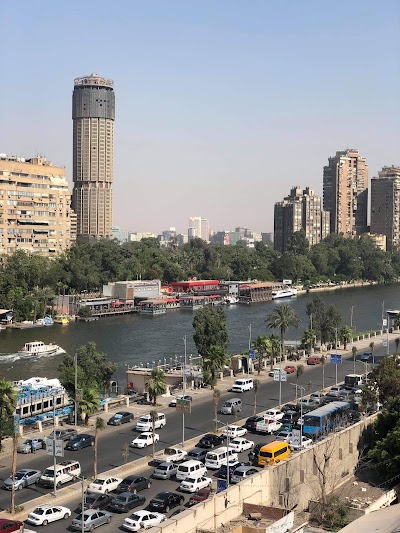
Dokki & Agouza
For Business travelers or those seeking a middle-ground local experience; trade-off: lacks the historic charm of Downtown.
Bustling residential and commercial districts on the west bank of the Nile.
Where to stay — Mid-range business hotels.
Book direct
Book a hotel in Cairo
Loading live availability and real-time prices…
Where to eat
Dining
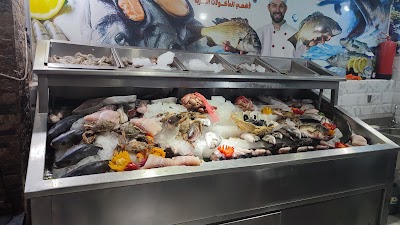
Gandofli
€€Maadi
Famous for its consistently fresh catches and excellent clams in a relaxed setting.
Signature — Singary-style sea bass
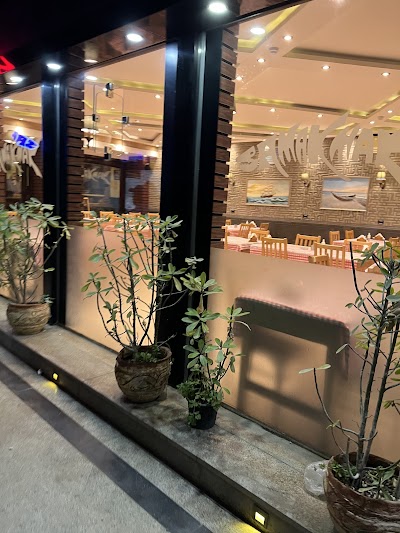
Samakmak
€€Mohandessin
Owned by a famous Alexandrian belly dancer, legendary for its lively atmosphere and fresh Mediterranean fish.
Signature — Grilled red mullet

Halaka
€€Zamalek
A reliable, no-frills neighborhood spot for fresh fish cooked to order.
Signature — Fried calamari with garlic dip
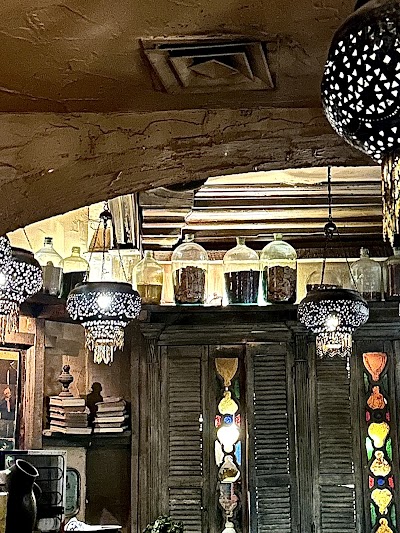
Abou El Sid
€€€Zamalek
Atmospheric, vintage Cairo decor, serving rich Egyptian classics.
Signature — Kebab and kofta with tajine
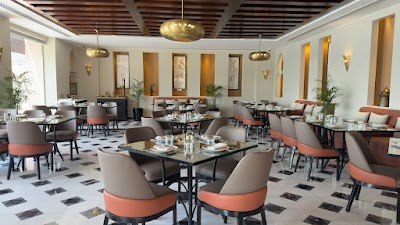
El Kababgy
€€€€Zamalek
High-end grilling right on the Nile with live baking of fresh baladi bread.
Signature — Mixed grill platter
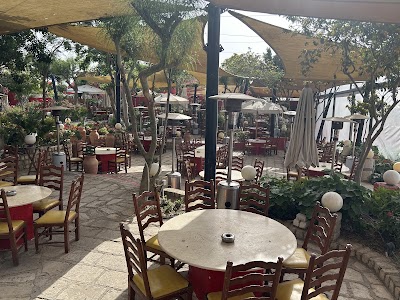
Andrea El Mariouteya
€€New Giza
Famous for its grilled chicken marinated in herbs, served in an open-air setting.
Signature — Charcoal-grilled chicken and chicken livers
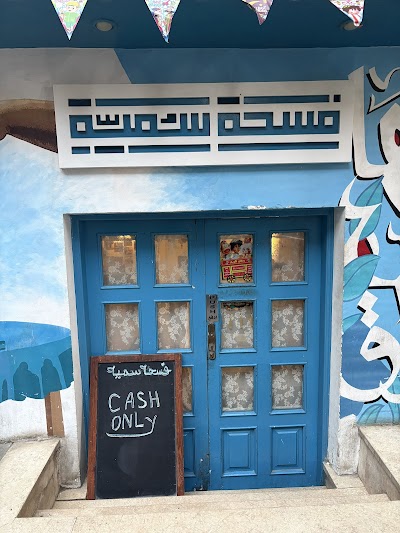
Fasahet Soumaya
€€Downtown
A tiny, legendary kitchen run by Soumaya, serving a rotating daily menu of home-cooked Egyptian stews.
Signature — Molokhia with rabbit or chicken
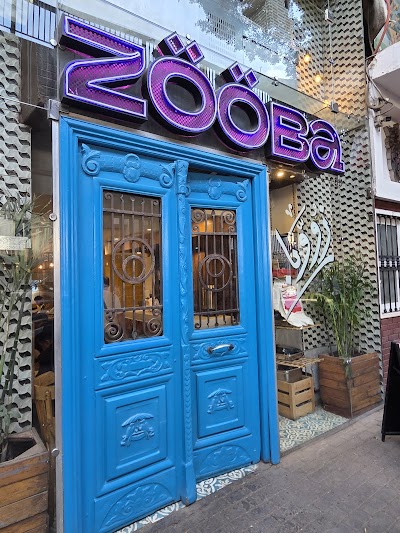
Zooba
€€Zamalek
Modern, upscale street food in a colorful, contemporary setting.
Signature — Spicy hawawshi (meat-stuffed pita)
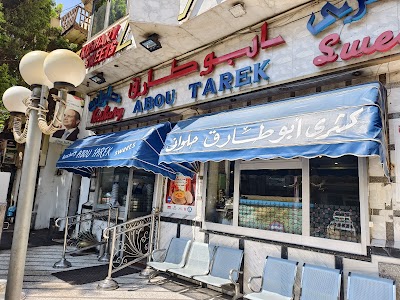
Abou Tarek
€Downtown
The undisputed multi-story temple of Koshary, Egypt's national dish.
Signature — Koshary with extra crispy onions and garlic-vinegar sauce
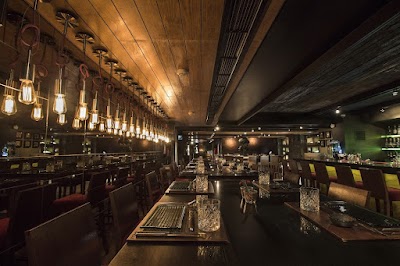
Sachi
€€€€Heliopolis
Award-winning Mediterranean-Asian fusion with an immaculate, sleek design.
Signature — Beef tataki and octopus
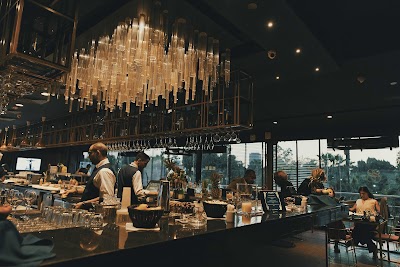
Pier 88
€€€€Zamalek
Located on a docked boat, offering high-end Italian cuisine with stunning Nile views.
Signature — Truffle risotto
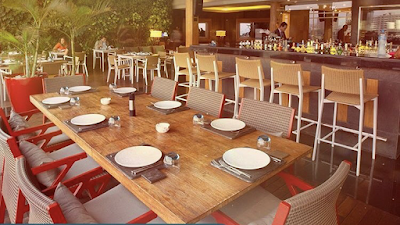
Crimson Bar & Grill
€€€€Zamalek
Rooftop dining with panoramic Nile views, serving excellent steaks and Mediterranean dishes.
Signature — Slow-cooked short ribs
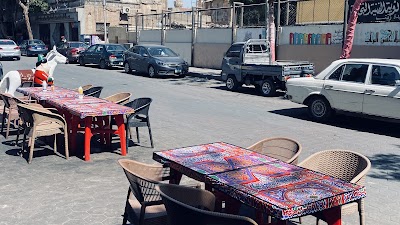
El Gahsh
€Sayeda Zeinab
A legendary street cart turned basic eatery, famous for the best ful in the city.
Signature — Ful with butter and flaxseed oil
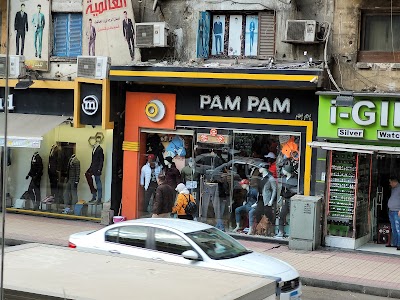
Koshary El Tahrir
€Downtown
A clean, efficient chain dedicated solely to Egypt's national dish.
Signature — Standard Koshary bowl
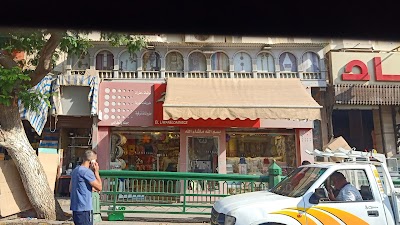
Gad
€Downtown
A ubiquitous fast-food chain serving reliable ta'ameya, shawarma, and feteer.
Signature — Ta'ameya sandwich in baladi bread
Koshary Abou Tarek
€Downtown
Naturally vegan, incredibly filling, and a cultural institution.
Signature — Koshary
Zooba
€€Zamalek
Excellent gourmet vegetarian options, including beetroot hibiscus tahini and eggplant ta'ameya.
Signature — Sweet potato fries with cumin
After dark
Nightlife
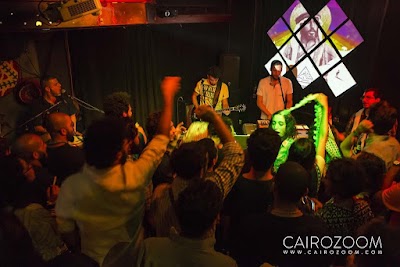
Cairo Jazz Club
Agouza
The legendary heart of Cairo's alternative nightlife, hosting electronic DJs, indie bands, and hip-hop nights.
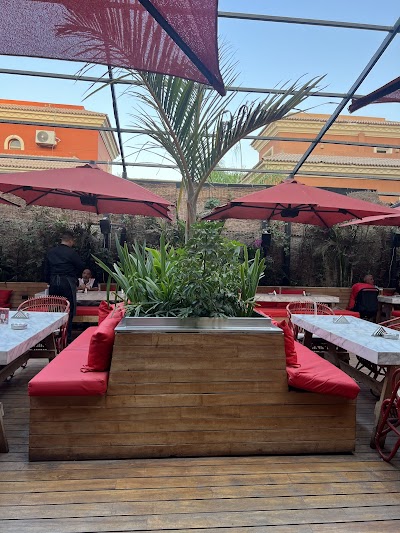
The Tap East
New Cairo
Popular gastropub-club hybrid with regular DJ nights and a lively dance floor.
Crimson
Zamalek
Sleek rooftop bar with some of the best unobstructed views of the Nile.
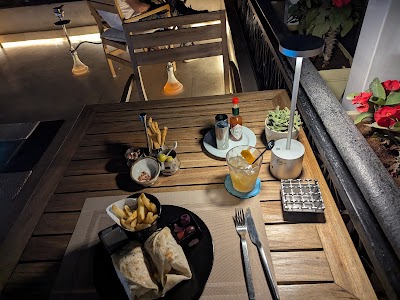
The Roof Top
Garden City
A sophisticated poolside bar overlooking the Nile from the top of the Kempinski Nile Hotel.
Cairo Jazz Club
Agouza
Still the premier spot for live local bands and experimental acts.
Makan
Downtown
Egyptian Center for Culture and Art, hosting traditional Zar music and folk performances.
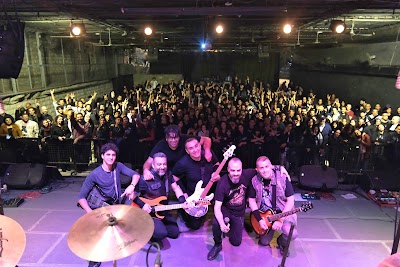
El Sawy Culturewheel
Zamalek
A massive cultural center under the 15th of May Bridge hosting daily live music acts.
Art & history
Culture
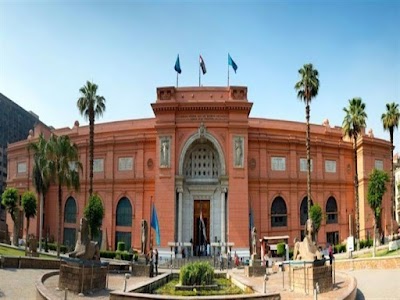
The Egyptian Museum
Tahrir Square
The pink-walled classic. Though many treasures moved, it still holds thousands of incredible statues, mummies, and sarcophagi.
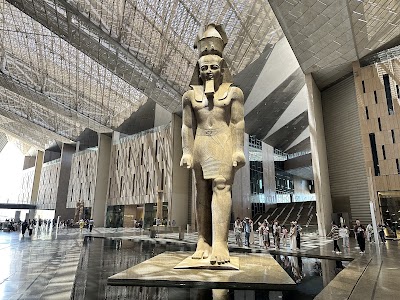
The Grand Egyptian Museum (GEM)
Giza
The massive, state-of-the-art museum near the pyramids (currently open for limited preview tours of the grand hall and gardens).
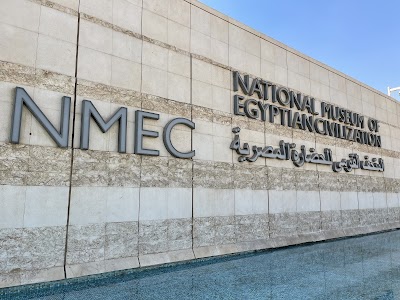
National Museum of Egyptian Civilization (NMEC)
Fustat
Modern museum famous for housing the Royal Mummies in a specially designed subterranean hall.
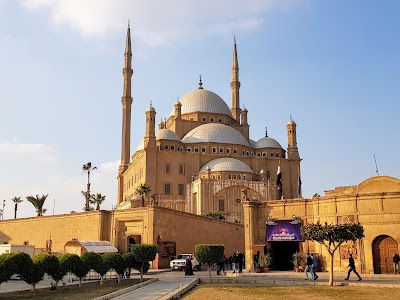
The Citadel of Saladin
Islamic Cairo
A medieval Islamic fortification built by Saladin, dominating the city skyline and housing the Mosque of Muhammad Ali.
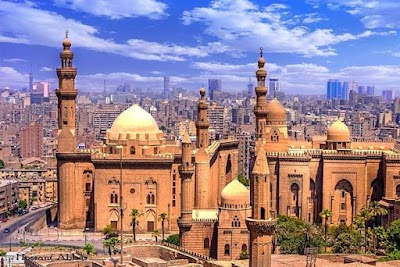
Mosque-Madrasa of Sultan Hassan
Islamic Cairo
A masterpiece of Mamluk architecture, massive in scale and engineering, with soaring ceilings and intricate stonework.
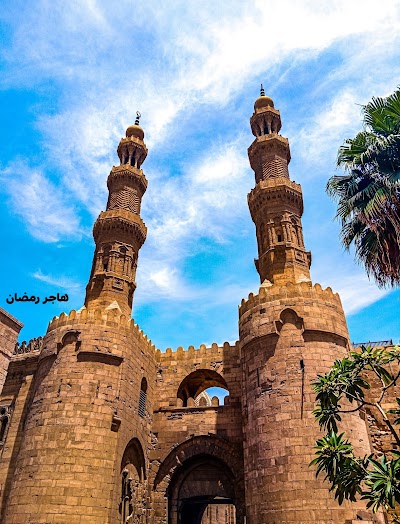
Bab Zuweila
Islamic Cairo
One of the remaining gates of the medieval Fatimid city. You can climb the twin minarets for the best open-air view of historic Cairo.
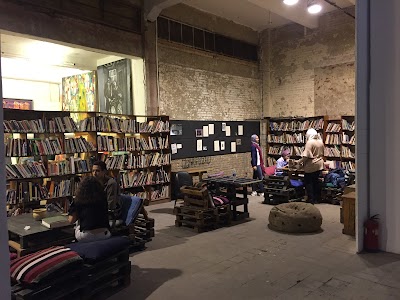
Townhouse Gallery
Downtown
A pioneering independent art space housed in a former factory lane, showcasing cutting-edge contemporary Egyptian art.
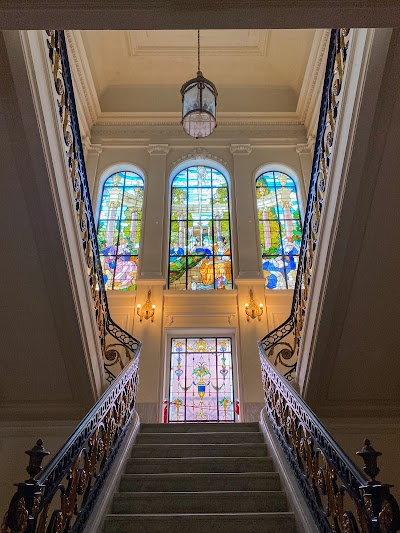
Aisha Fahmy Palace (Complex of Arts)
Zamalek
A beautifully restored 1907 mansion hosting high-profile art exhibitions. The exquisite interiors are as impressive as the art.
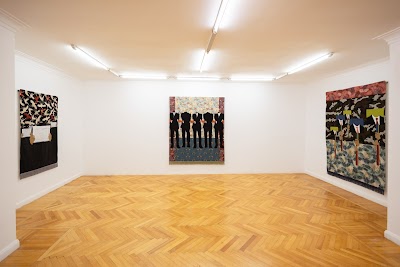
Gypsum Gallery
Garden City
A highly respected commercial gallery representing leading contemporary artists from Egypt and the region.
Book ahead
Top-rated experiences in Cairo

Private VIP Tour : Giza Pyramids, Sphinx & Grand Egyptian Museum
from $80

Cairo Street Food with a Local Family
from $43

Private Guided Tour to Giza Pyramids Egyptian Museum & Khan El Kahlili Bazaar
from $100

Private Giza Pyramids, Saqqara & Memphis Tour with Egyptologist
from $50

Half Day Private Tour of the Giza Pyramids with Camel Ride, Lunch
from $5

Private Tour of Giza Pyramids with Camel Ride and Pyramid Access
from $40

Full-Day Tour From Cairo: Giza Pyramids, Sphinx, Memphis, and Saqqara
from $110

Egypt Adventure Tour 9 Days
from $3200
Prices from Viator; we may earn a commission when you book — at no extra cost to you. Tours are sold and operated by Viator, the merchant of record. Ratings are collected by Viator and Tripadvisor.
Timing
When to visit
Winter
Mild daytime temperatures and cool nights make this the peak sightseeing period, though popular monuments are crowded.
Spring
Warm and pleasant, but occasionally disrupted by the Khamsin—a hot, sandy wind from the desert that reduces visibility.
Summer
Scorching heat regularly exceeding 40°C. Sightseeing is limited to early mornings or air-conditioned indoor spaces.
Autumn
Excellent shoulder season with dropping temperatures and clearing summer haze, ideal for outdoor exploration.
What it costs
Budgeting
Logistics
Getting around
From the airport
Cairo International Airport (CAI) is about 20km northeast of Downtown. Uber is the most reliable and stress-free option. Avoid the aggressive unlicensed taxi drivers in the arrivals hall.
Public transit
The Cairo Metro is clean, efficient, and cheap, with three lines. It is highly useful for avoiding traffic when traveling between Downtown, Coptic Cairo (Mar Girgis station), and Maadi. Carriages are crowded; the first two cars of every train are reserved for women.
Passes & tickets
There are no comprehensive transit passes for tourists. Individual metro tickets are bought at station booths for nominal fees. The Cairo Pass covers major archaeological sites in Cairo and Giza for a set fee in USD/Euros, useful only if you plan intensive sightseeing over several days.
On foot
Cairo is notoriously hostile to pedestrians. Sidewalks are uneven, often blocked by parked cars, and crossing the street requires nerves of steel. Zamalek and Downtown are the most walkable pockets.
Travel smart
Safety & etiquette
Local etiquette
- •Dress modestly: Shoulders and knees should be covered for both men and women, especially when visiting religious sites.
- •Tipping (Baksheesh) is an integral part of Egyptian culture. Keep small bills handy for bathroom attendants, drivers, and temple guards.
- •Always ask permission before taking photos of locals, and never photograph military, police, or government buildings.
From the ground
Practical tips
1
Download Uber or Careem before arriving to avoid stressful fare negotiations with airport taxi drivers.
2
Buy a local SIM card (Vodafone or Orange) at the airport arrivals hall; it is cheap and essential for navigation and ride-hailing.
3
When crossing the street, wait for a local to cross and walk closely alongside them on the side facing the traffic.
4
Always carry a pack of tissues and small change (5 and 10 EGP notes) for public restrooms, which rarely provide toilet paper.
5
Book your tickets for the Pyramids and major museums online in advance through the official Ministry of Tourism website to skip long ticket booth lines.
6
If you visit mosques, women must cover their heads with a scarf; carry a light shawl in your bag for this purpose.
Cairo FAQs
Is it safe to drink the tap water in Cairo?
No, do not drink tap water in Cairo. Stick to bottled water, which is cheap and widely available, and use it even for brushing your teeth.
How do I handle the vendors at the Pyramids?
Maintain firm boundaries and a polite but decisive "La, Shukran" (No, thank you). Avoid making eye contact or engaging in conversation with aggressive camel handlers or souvenir sellers if you are not interested.
Can I buy alcohol in Cairo?
Yes, but it is mostly restricted to licensed hotels, upscale restaurants, and specific liquor stores like Drinkies. It is not sold in regular supermarkets.
Is Cairo safe for solo female travelers?
Yes, but it requires a high level of street smarts and resilience. Dress conservatively, use Uber instead of street taxis, and consider hiring a licensed guide for major historical sites to deflect unwanted attention.
Do I need cash, or are credit cards widely accepted?
Cash is king in Cairo. While major hotels, upscale restaurants, and museum ticket offices accept credit cards, you will need Egyptian Pounds cash for street food, markets, tips, and small purchases.